Baby hydration signs by age change fast, so watch diapers, lips, tears, and energy closely.
Understanding baby hydration signs by age can feel stressful at first, but once you know what to look for, it gets much easier to spot the difference between normal thirst and a real problem. Babies do not always show dehydration the same way at every stage, so age matters a lot. This guide breaks it down in a clear, practical way so you can feel more confident about when your baby is well hydrated and when it is time to call the doctor.

Why baby hydration signs by age matter
Babies and young children lose fluid faster than adults. Their bodies are smaller, their reserves are limited, and they depend on caregivers for every feeding. That means even a mild illness, hot weather, or a feeding issue can change hydration quickly.
In my experience, the hardest part for many parents is not knowing what is normal for their baby’s age. A newborn who sleeps a lot may look “fine” when they are not, while an older baby may seem cranky or tired for reasons that are easy to miss. That is why baby hydration signs by age should always be read in context, not as one single rule.
Baby hydration signs by age: what to look for
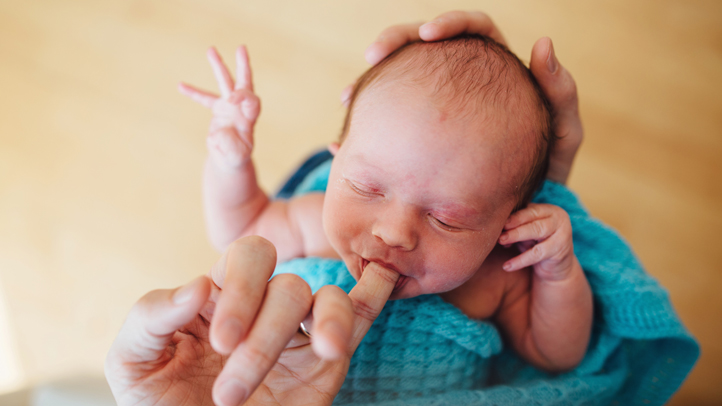
Newborns 0 to 1 month
For newborns, hydration is closely tied to feeding. Breastfed and formula-fed babies should have regular wet diapers, active feeding, and steady weight gain after the first few days of life.
Signs your newborn is likely hydrated include:
• At least 6 wet diapers a day after milk supply is established
• Pale or light yellow urine
• Regular sucking and swallowing during feeds
• Moist mouth and lips
• Alertness during wake times
• Weight gain as expected at checkups
Signs of possible dehydration in a newborn include:
• Fewer wet diapers than expected
• Dark yellow urine or strong urine smell
• Dry mouth or cracked lips
• Sleepiness that is hard to wake from
• Poor feeding or weak sucking
• Sunken soft spot on the head
Newborn dehydration deserves fast attention because babies this young can decline quickly. If a newborn is feeding poorly or has fewer wet diapers, call your pediatrician the same day.
1 to 3 months
At this age, babies usually feed more efficiently, but they still need close monitoring. Their hydration signs are still very diaper focused, but behavior also starts to give helpful clues.
Healthy hydration often looks like:
• At least 5 to 6 wet diapers a day
• Soft, moist mouth
• Tears beginning to appear later in this stage
• Normal skin color and tone
• Steady alertness between naps
• Interest in feeding
Possible dehydration signs include:
• Less urine than usual
• A dry tongue or sticky mouth
• No tears when crying
• Fussiness or unusual sleepiness
• A soft spot that looks sunken
• Faster breathing than usual
A mistake I have seen parents make is waiting for a baby to “act sick” before taking the signs seriously. With young infants, subtle changes in feeding and diapers often show up before anything else.
4 to 6 months
Between 4 and 6 months, babies may still rely on breast milk or formula as their main fluid source. Some may begin solids near the end of this age range, but milk still does most of the hydration work.
Good hydration signs include:
• Regular wet diapers throughout the day
• Clear to pale yellow urine
• Normal energy for naps and play
• Moist lips and tongue
• Tears when crying
• Good feeding volume
Watch for dehydration if you notice:
• Fewer wet diapers
• Dark urine
• Dry gums or lips
• Less interest in feeding
• Crying without tears
• Irritability that does not match the moment
Hot weather can matter more at this age, especially if the baby is in a stroller, car seat, or warm room. I always tell parents to think of hydration like a fuel gauge; if the environment is draining more than usual, the gauge can drop faster than expected.
6 to 12 months
This is a big transition period. Babies may eat more solids, drink from cups, and become more active, which can change how hydration looks from day to day.
Signs of good hydration at this age include:
• Several wet diapers per day
• Urine that is light yellow
• Drinking well from breast, bottle, or cup
• Healthy skin and normal mouth moisture
• Good wakefulness and play
• Regular bowel patterns for that child
Possible dehydration signs include:
• Fewer wet diapers than normal for your baby
• Dry lips, tongue, or gums
• Urine that is darker than usual
• Low energy or weak movement
• Constipation that comes with poor fluid intake
• Sunken eyes in more serious cases
This age can be tricky because teething, mild illness, and busy eating habits can all reduce intake for a day or two. Still, if your baby is refusing fluids or showing several signs at once, it is worth checking in with a clinician.
12 months and older
Toddlers are more mobile, but they are also more likely to get distracted and forget to drink. Their hydration signs shift a bit because they eat more food, yet fluids still matter a lot.
Signs of proper hydration include:
• Regular urination
• Light yellow urine
• Normal mood and activity
• Moist mouth
• No dizziness or unusual fatigue
• Drinking throughout the day
Signs of dehydration include:
• Very dark urine
• Going many hours without peeing
• Dry mouth or lips
• Headache or tiredness in older toddlers
• Crankiness that does not improve
• Less tears and less saliva
For older babies and toddlers, hydration can be harder to judge because they may not “ask” for drinks in a clear way. I have found that offering water often, especially with meals and after active play, works better than waiting for them to signal thirst.
The most reliable baby hydration signs to track
Some signs matter across almost every age. If you remember only a few, start with these:
• Wet diapers: This is one of the best day-to-day clues for infants
• Urine color: Pale yellow is generally reassuring
• Mouth moisture: Dry lips or tongue can be an early warning sign
• Energy level: Unusual sleepiness can point to dehydration
• Tears: No tears can matter, especially after the newborn phase
• Soft spot: A sunken fontanelle can be serious in young babies
It helps to think of these signs as a group, not in isolation. One dry diaper after a long nap may not mean much, but several signs together tell a different story.
What can cause dehydration in babies
Dehydration does not usually happen for just one reason. It often comes from a mix of intake and loss.
Common causes include:
• Not drinking enough breast milk, formula, or water for age
• Fever
• Vomiting
• Diarrhea
• Hot weather or overdressing
• Mouth sores or teething pain
• Poor latch or feeding problems
• Illness that reduces appetite
Doctors often focus on the cause, not just the fluid loss. That matters because dehydration is usually a symptom of something else, like a stomach bug or feeding issue.
How to check hydration at home
You do not need fancy tools to get a good sense of your baby’s hydration. A calm routine and a few checks are usually enough.
Try this simple approach:
- Count wet diapers over 24 hours
- Look at urine color
- Watch feeding patterns
- Check mouth and lips for dryness
- Notice energy, alertness, and crying tears
- Compare your baby to their usual self
I like to remind parents that “usual for your baby” matters more than textbook perfection. If your child suddenly acts off, feeds less, and has fewer wet diapers, that is more important than one single number.
When dehydration in a baby needs medical care
Some dehydration signs need urgent medical attention.
Seek care right away if your baby has:
• No wet diaper for many hours, especially in a young infant
• Very dry mouth and no tears
• Lethargy or hard-to-wake behavior
• Sunken eyes or sunken soft spot
• Rapid breathing
• Repeated vomiting or diarrhea
• A high fever with poor intake
• Blood in stool or vomit
For newborns, do not wait long. If you are unsure, it is safer to call your pediatrician, nurse line, or urgent care service.
How to keep babies hydrated by age
Hydration support changes with age, but the goal is the same: steady fluid intake and close monitoring.
Birth to 6 months
• Offer breast milk or formula on a regular schedule
• Feed more often during growth spurts or hot days
• Watch diaper counts closely
• Ask for help if feeding hurts or feels ineffective
6 to 12 months
• Keep breast milk or formula as the main fluid source
• Offer small sips of water if your pediatrician says it is okay
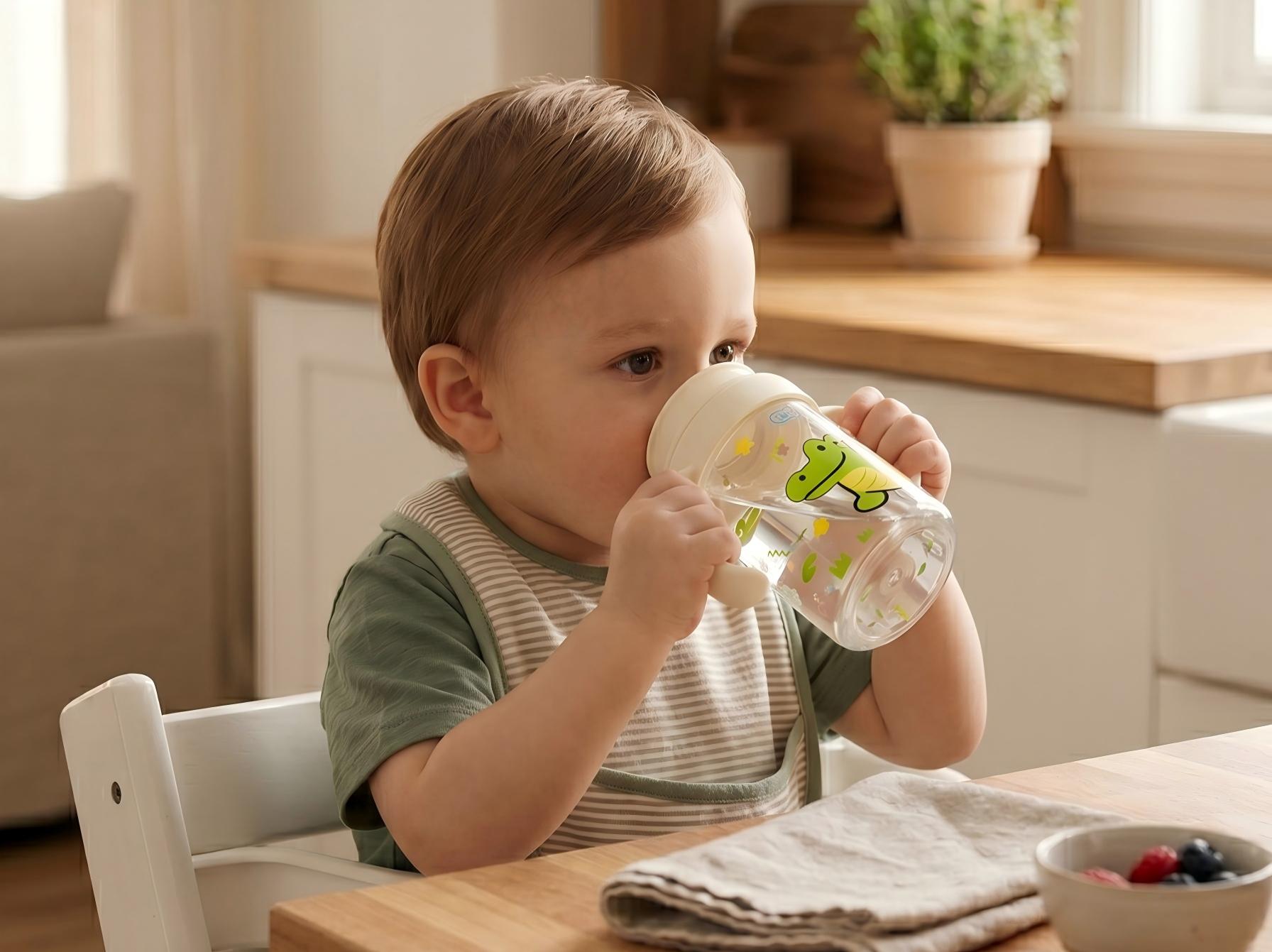
• Use open cups or straw cups for practice
• Offer extra feeds during illness or warm weather
12 months and older
• Offer water often throughout the day
• Serve drinks with meals and snacks
• Keep healthy fluids visible and easy to reach
• Limit sugary drinks, which do not hydrate as well overall
A practical tip from real life: make hydration easy to see and easy to repeat. A favorite cup on the table can do more than constant reminders.
What normal hydration looks like in real life
Not every baby drinks the same amount every day. Some feed more in the morning. Some take bigger feeds at night. Some are simply better drinkers than eaters.
Normal hydration often looks like:
• A baby who is active and easy to wake
• Wet diapers that stay regular
• Urine that is light in color
• Smooth feeding patterns most days
• No ongoing dry mouth or cracked lips
The key is trend watching. A single off day may not mean much, but a pattern of reduced intake and fewer wet diapers usually does.
FAQ about baby hydration signs by age
How many wet diapers should a baby have each day?
Newborns often need about 6 or more wet diapers per day after the first few days, while older babies may vary a bit depending on age and feeding. If diaper output drops clearly from your baby’s normal pattern, that can be a warning sign.
Is dark yellow urine always a sign of dehydration?
Not always, but it can be an early clue, especially if it happens along with fewer wet diapers or a dry mouth. The darker the urine and the fewer the diapers, the more concern there should be.
Can breastfed babies get dehydrated?
Yes, they can if they are not transferring milk well, are sick, or are not feeding often enough. Breastfeeding parents should watch for feeding quality, swallowing, and diaper counts, not just time at the breast.
Do babies need water before 6 months?
In most cases, babies under 6 months get the fluids they need from breast milk or formula. Water is usually not needed unless a pediatrician specifically recommends it.
When should I call a doctor about dehydration?
Call a doctor if your baby has fewer wet diapers, a dry mouth, no tears, poor feeding, or unusual sleepiness. If your baby is hard to wake, has no urine for many hours, or seems very weak, seek urgent care right away.
Can teething cause dehydration?
Teething alone usually does not cause major dehydration, but it can make some babies feed less for a short time. If pain, fever, or refusal to drink lasts longer than a day or two, check with your pediatrician.
Conclusion
Baby hydration signs by age are easier to understand once you know what to watch for: diapers, urine color, mouth moisture, tears, feeding, and energy. The younger the baby, the more important small changes become, especially in the first months of life. If something feels off, trust your instincts and look at the full picture, not just one sign.
The best next step is simple: learn your baby’s normal pattern now, so changes stand out later. If you want, keep a diaper and feeding note on your phone, and share any concerns early with your pediatrician.