A calm routine, the right sleep cues, and consistent soothing steps help most babies sleep better.
Getting a baby to sleep can feel like solving a tiny, noisy puzzle at 2 a.m. The good news is that most sleep problems are not random. They usually come from hunger, overtiredness, discomfort, or a routine that has not fully clicked yet. In this guide, I’ll walk you through how to get a baby to sleep with practical steps, simple sleep science, and real-world tips that make nights easier for both baby and parent.

Why baby sleep is so hard in the first place
Baby sleep is different from adult sleep. Newborns have short sleep cycles, small stomachs, and immature body clocks. That means they wake often for feeding, comfort, or a diaper change, and that is completely normal.
A baby may also have trouble settling if they are:
• Overtired from being awake too long
• Under tired and not sleepy enough yet
• Too hot, too cold, or uncomfortable
• Going through a growth spurt or developmental leap
• Sensitive to light, noise, or stimulation
When I first started helping families with infant routines, one mistake I saw over and over was waiting too long for sleep signs. By the time many babies showed obvious cues, they were already overtired. That usually made settling harder, not easier.
How to get a baby to sleep: start with the basics
If you want to know how to get a baby to sleep, begin with the basics first. These simple steps often make the biggest difference.
Check the sleep window
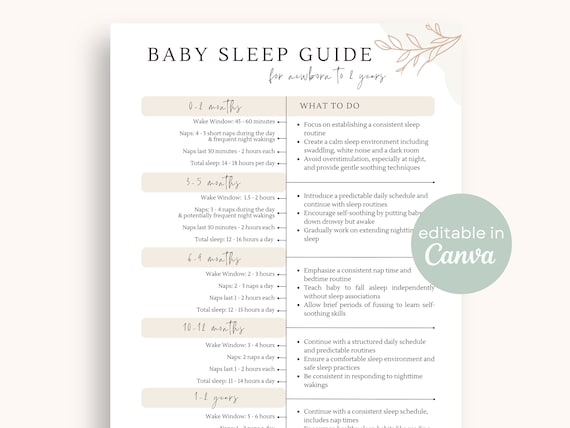
A sleep window is the amount of time a baby can stay awake before getting fussy. This changes fast as babies grow.
Typical awake windows can look like this:
• Newborns: about 45 to 90 minutes
• 2 to 3 months: about 60 to 90 minutes
• 4 to 6 months: about 1.5 to 2.5 hours
• Older babies: often 2 to 4 hours depending on age
If you miss the window, your baby may get wired and harder to soothe. If you try too early, they may just play or resist sleep.
Look for sleep cues
Babies often show sleep cues before they cry. These can include:
• Rubbing eyes
• Yawning
• Turning away from faces or toys
• Slower movement
• Fussing or whining
• Clenched fists
The trick is to act early. Sleep gets much easier when you move before full-on meltdown mode starts.
Make sure basic needs are met
A simple check can save a lot of frustration:
• Feed the baby if they may be hungry
• Change the diaper if it is wet or dirty
• Burp the baby if gas seems to be bothering them
• Check temperature and clothing
• Look for hair wrapped around toes or fingers
Sometimes the answer to how to get a baby to sleep is not more soothing. It is fixing one small discomfort first.

Build a sleep routine that feels the same every day
Babies love predictability. A steady routine helps them learn that sleep is coming. It is like a little bridge from active time to rest time.
A good bedtime routine does not need to be long. In fact, shorter is often better.
You can try:
• Dim the lights
• Change the diaper
• Feed the baby
• Burp gently
• Read a short book or sing one soft song
• Rock, cuddle, or place the baby down drowsy
The key is consistency. Use the same order most nights so your baby starts to recognize the pattern.
Keep the routine calm
Avoid loud play, bright screens, or rough handling right before bed. Babies pick up on energy fast. If bedtime feels rushed or chaotic, sleep can feel harder for everyone.
I have seen parents do everything right except one thing: they kept the last 20 minutes too stimulating. Once they made that part quieter, bedtime improved faster than they expected.
Use a bedtime cue
A cue can be anything your baby associates with sleep. Examples include:
• A lullaby
• White noise
• A warm bath
• A sleep sack
• A dim nursery light
Think of it like a signal saying, “It is safe to rest now.”
Create the right sleep environment
The sleep space matters more than many new parents realize. A good sleep environment reduces stimulation and helps your baby settle.
Keep the room dark or very dim
Darkness helps babies understand that sleep time is here. For naps, blackout curtains can help a lot. For nighttime, use the lowest light possible during feeds and diaper changes.
Use white noise if needed
White noise can mask household sounds like dogs, traffic, or siblings. It works best when it is steady and not too loud.
A few tips:
• Keep the sound machine across the room
• Use a low, consistent setting
• Avoid music that changes volume or rhythm
Dress baby comfortably
Overheating can make sleep worse, and so can being too cold. Dress your baby in light, breathable layers and adjust based on the room temperature.
Safe sleep guidance from pediatric experts also emphasizes placing babies on a firm, flat surface with no loose bedding, pillows, or toys. That simple setup helps lower sleep risks and keeps the sleep space calm.
Learn how to soothe a baby to sleep
If your baby struggles to fall asleep, soothing methods can help them calm down enough to drift off. Different babies respond to different methods, so it may take a little testing.
Try gentle motion
Many babies relax with:
• Rocking in arms
• A stroller walk
• A slow bounce
• A car ride, used carefully and only when needed
Motion can be soothing because it mimics the rhythm babies felt before birth. Just remember that if your baby only sleeps in motion, you may need a plan to gradually reduce that dependency later.
Use swaddling for younger babies
Swaddling can help newborns feel snug and safe. It may reduce startle reflexes that wake them up.
Important safety note:
• Stop swaddling once your baby shows signs of rolling
• Make sure the hips can move freely
• Never swaddle too tightly
Try shushing, patting, or hand-on-chest comfort
Simple, repetitive soothing often works best. A steady pat or soft shush can feel calming without overdoing it.
Think of it like helping your baby “borrow” your calm until they can settle on their own.
Feed and sleep: find the balance
Feeding and sleep are closely linked, especially in young babies. Hunger is a common reason babies wake or refuse sleep, but so is feeding too close to the point of exhaustion.
Feed before the baby gets overtired
A hungry baby often fights sleep. If feeding is part of your routine, do it before your baby is fully distressed.
Watch for comfort nursing habits
Some babies want to nurse or take a bottle to fall asleep every time. That is very common, and it is not a bad habit in the early months. Still, if you want more independent sleep later, you may need to slowly separate feeding from the final sleep step.
A gentle way to do that is:
• Feed earlier in the routine
• Follow with a diaper change or short book
• Then place baby down sleepy but calm
How to get a baby to sleep at night
Night sleep often improves when daytime habits improve too. Babies who get enough daytime sleep and feed well during the day often settle better at night.
Keep nights boring
When baby wakes at night, keep everything low key:
• Use dim lights
• Speak softly
• Avoid play
• Change the diaper only if needed
• Return baby to sleep as soon as possible
This helps your baby learn that nighttime is for sleeping, not hanging out.
Separate night and day
During the day, expose your baby to:
• Natural light
• Normal household noise
• Interaction and play
At night, keep things quiet and dark. That contrast helps the body clock mature over time.
Common reasons a baby will not sleep
Sometimes sleep trouble is not about the routine at all. It may be one of these common causes.
• Overtiredness from long awake periods
• Growth spurts
• Gas or reflux discomfort
• Teething
• Illness or congestion
• Too much stimulation
• Sleep association challenges
• Schedule changes
If sleep suddenly changes and your baby seems unwell, check in with your pediatrician. Trust your instincts if something feels off.
Gentle sleep habits that can help over time
If you are trying to learn how to get a baby to sleep more smoothly, the long game matters too. Small habits can build strong sleep patterns.
Put baby down drowsy, not fully asleep sometimes
This can help your baby practice falling asleep in the crib or bassinet. You do not need to do this every time, especially with very young babies, but occasional practice can help.
Keep wake times age appropriate
A baby who stays awake too long often has a harder time settling. A baby who naps too much may resist sleep later. Balance is the goal.
Use consistent sleep locations
Try to use the crib, bassinet, or approved sleep space as the main sleep spot. Repetition helps babies understand what is expected.
Be patient with regressions
Sleep regressions happen. Development, travel, teething, illness, and new skills like rolling can all disrupt sleep. It does not mean your baby forgot how to sleep. It usually means their brain and body are busy growing.
What not to do when trying to get a baby to sleep
A few common mistakes can make sleep harder than it needs to be.
• Waiting until baby is crying hard before starting bedtime
• Changing the routine every night
• Using too much stimulation right before sleep
• Letting the room get too bright
• Ignoring hunger cues
• Relying on one soothing method only
• Expecting every baby to respond the same way
One of the biggest lessons I learned early on is this: what works for one baby may fail completely for another. That is normal. Sleep is personal, just like temperament.
When to ask for medical advice
Most baby sleep issues are normal, but some signs deserve medical attention.
Talk to a pediatrician if your baby:
• Has trouble breathing while sleeping
• Snores loudly or seems to stop breathing
• Has severe reflux or vomiting
• Is unusually sleepy or hard to wake
• Is not feeding well
• Has signs of illness, fever, or dehydration
• Has ongoing sleep problems that worry you
If you are unsure, it is always better to ask. Good sleep advice should support safety first.
Frequently Asked Questions of how to get a baby to sleep
How long should I let a baby try to fall asleep on their own?
A baby may need a few minutes to settle, especially if they are calm and not crying hard. If fussing escalates, step in with gentle soothing before they become overtired.
Is it okay to rock a baby to sleep every night?
Yes, especially in the early months when babies need a lot of help settling. If you want more independent sleep later, you can slowly reduce rocking by using a shorter routine or putting baby down slightly drowsy.
What is the best sleep position for a baby?
Babies should sleep on their back on a firm, flat surface. This is the safest sleep position recommended for infants.
Why does my baby wake up as soon as I put them down?
Many babies wake during the transfer because they notice the change in motion, temperature, or support. Try waiting until they are deeply relaxed, and place them down slowly with a hand on their chest for a moment.
Can white noise help a baby sleep?
Yes, white noise can help block background sounds and make sleep feel more consistent. Keep it at a safe, low volume and place the machine away from the crib or bassinet.
Conclusion
Getting a baby to sleep is usually about timing, comfort, and consistency more than perfection. When you watch for sleep cues, build a calm routine, and create a safe sleep space, you give your baby the best chance to settle well. If progress feels slow, that is normal too. Baby sleep changes with age, and small improvements often add up.
Start with one or two changes tonight, not everything at once. Keep it simple, stay consistent, and give yourself grace as you learn what works best for your baby. If this guide helped, explore more newborn sleep tips, subscribe for updates, or leave a comment with what has worked in your home.