Newborns usually eat every 2 to 3 hours, or 8 to 12 times a day.
Bringing home a newborn can feel like learning a new rhythm overnight. One of the biggest questions parents ask is how often should newborns eat, and the answer matters because feeding patterns affect growth, sleep, and comfort. In this guide, I’ll walk you through the normal newborn feeding schedule, what changes with breast milk or formula, how to spot hunger cues, and when to call your pediatrician.
How Often Should Newborns Eat in the First Weeks?
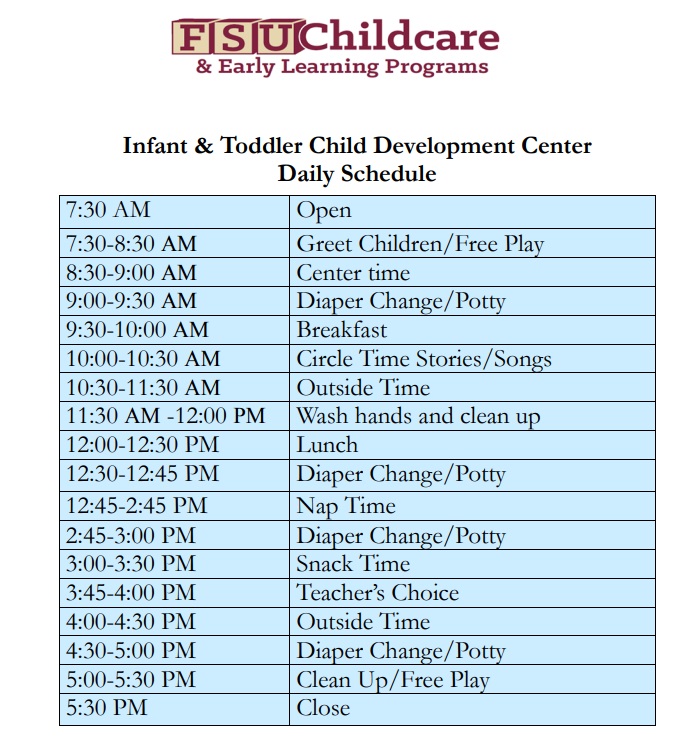
In the first few weeks, most newborns eat every 2 to 3 hours. That means about 8 to 12 feedings in 24 hours. Some babies may eat a little more often, especially during growth spurts or cluster feeding periods.
Here’s the simple version:
- Breastfed newborns often feed 8 to 12 times per day
- Formula-fed newborns usually feed every 3 to 4 hours
- Preterm or smaller babies may need more frequent feeds
I’ve seen many parents worry when their baby wants to eat “too soon.” In most cases, that is completely normal. A newborn stomach is tiny, like a small walnut at birth, so frequent feeds are part of healthy newborn feeding patterns.
The first days can feel endless, especially at night. But frequent feeding helps babies get enough calories, supports milk supply for breastfeeding parents, and keeps blood sugar steady.
Why Newborns Need to Eat So Often
Newborns grow fast. Their bodies and brains need steady fuel, and they cannot store much milk in one feeding. That is why the question how often should newborns eat usually has a short answer: often.
A few reasons explain the frequent schedule:
- Small stomach size means small, frequent meals
- Rapid growth needs constant nutrition
- Breast milk digests faster than formula
- Early feeding helps establish healthy weight gain
From a practical standpoint, frequent feeding also helps parents notice patterns early. If a baby suddenly eats less, sleeps through feeds unusually long, or seems weak, that can be a useful clue to check in with a pediatrician.
Breastfed vs. Formula-Fed Newborn Feeding Frequency
The answer to how often should newborns eat depends a little on feeding type. Breast milk and formula are both good nutrition, but they digest at different speeds.
Breastfed newborns
Breastfed babies often feed every 2 to 3 hours. Some will want to nurse more often in the evening or during cluster feeding, when they seem to eat almost nonstop for a few hours.
What to expect:
- 8 to 12 feedings per day is common
- Feedings may be shorter but more frequent
- Baby may want to nurse for comfort as well as hunger
Formula-fed newborns
Formula-fed babies often go 3 to 4 hours between feedings. Formula digests more slowly, so babies may stay satisfied a little longer.
What to expect:
- About 6 to 8 feedings per day is common
- Babies may take larger amounts per feeding
- Overfeeding can happen if caregivers push bottles too fast
In my experience, one of the biggest mistakes is assuming every cry means hunger. Sometimes it does, but sometimes the baby needs burping, a diaper change, cuddles, or help falling asleep.

Hunger Cues: Signs Your Newborn Is Ready to Eat
Learning hunger cues is more helpful than watching the clock alone. Newborns often show signs before they start crying hard.
Common hunger cues include:
- Waking and moving their hands to the mouth
- Turning the head toward a touch on the cheek
- Sucking on fingers or fists
- Smacking lips or opening the mouth
- Fussing or becoming restless
Crying is usually a late hunger cue. By the time a baby is crying hard, feeding may be harder because they are upset and harder to settle. I always tell parents to look for the early signs first, since they make feeding easier for everyone.
How Much Should a Newborn Eat at Each Feeding?
The question how often should newborns eat is important, but amount matters too. Newborns usually start with small amounts and gradually take more as they grow.
General feeding amounts:
- First days: small colostrum feeds, often just a few milliliters at a time
- By the end of the first week: larger, more regular feeds
- Formula-fed newborns may take about 1 to 3 ounces per feeding early on, then more over time
Every baby is different. Some feed for a short time but eat well, while others take longer and need more pauses. What matters most is steady weight gain, regular wet diapers, and alertness between feeds.
Feeding Frequency by Age
Feeding needs change quickly in the newborn stage. Here is a simple guide.
Birth to 1 week
- Feed every 2 to 3 hours
- Wake the baby if needed for feeds, especially until birth weight is regained
- Watch for at least several wet and dirty diapers each day
1 to 2 weeks
- Continue feeding every 2 to 3 hours
- Some babies begin to stretch one feed a little longer at night
- Growth spurts may temporarily increase hunger
2 to 4 weeks
- Most babies still eat 8 to 12 times a day
- Some formula-fed babies may stretch to 3 to 4 hours
- Cluster feeding can still happen, especially in the evening
After the first month
- Feeding patterns often become a bit more predictable
- Many babies still feed frequently, but some begin to sleep longer stretches
- Your pediatrician will track growth to make sure intake is enough
Cluster Feeding and Growth Spurts
Cluster feeding is when a newborn wants to eat many times in a short period, often in the evening. It can feel exhausting, but it is usually normal. Many parents think their baby is not getting enough, but cluster feeding often reflects growth or comfort needs.
Common times for growth spurts include:
- Around 2 to 3 weeks
- Around 6 weeks
- Around 3 months
During these periods, how often should newborns eat may shift from every 3 hours to almost nonstop for a stretch of time. That does not always mean a problem. It often means the baby is telling the body to make more milk or is simply growing fast.
Signs Your Newborn Is Getting Enough to Eat
Instead of counting every minute, look at the full picture. A newborn who eats often but is still gaining weight, making diapers, and alert between feeds is usually doing well.
Signs of good intake include:
- Regular wet diapers
- Regular stools, especially in the early weeks
- Steady weight gain
- Baby seems satisfied after most feeds
- Good muscle tone and alertness when awake
If your baby is sleepy all the time, has very few wet diapers, or is not gaining weight, it is time to call the pediatrician. Those signs matter more than a strict feeding schedule.
When to Wake a Newborn for Feeding
In the first days and weeks, many newborns should not be left to sleep too long without eating. This is especially true until they regain birth weight.
You may need to wake your baby if:
- Your pediatrician advised scheduled feeds
- Baby has not regained birth weight
- Baby is premature or has a medical issue
- Baby is sleeping longer than expected in the early newborn stage
Helpful ways to wake a sleepy baby include:
- Changing the diaper
- Unwrapping swaddles gently
- Skin-to-skin contact
- Talking softly or rubbing the back
I’ve seen parents panic when they have to wake a sleepy baby, but it is a normal part of early feeding care. Think of it like setting gentle reminders for a tiny body that is still learning how to regulate itself.

Common Feeding Mistakes to Avoid
New parents are often tired, anxious, and trying their best. That is why a few common mistakes happen so often.
Try to avoid these:
- Waiting for crying instead of early hunger cues
- Forcing a baby to finish a bottle
- Ignoring weight checks and diaper counts
- Letting a newborn go too long between feeds in the first weeks
- Comparing one baby’s feeding pattern to another’s
One of the biggest lessons I’ve seen over and over is this: babies are not clockwork. A feeding pattern that looks “messy” can still be normal if the baby is growing well and seems healthy.
When to Call a Doctor
Sometimes feeding questions need medical attention. Trust your instincts, especially if something feels off.
Call your pediatrician if your newborn:
- Is too sleepy to feed well
- Has fewer wet diapers than expected
- Is not gaining weight
- Vomits repeatedly or forcefully
- Has signs of dehydration like dry mouth or no tears
- Seems weak, floppy, or hard to wake
If your baby has trouble latching, painful feeds, or frequent choking, ask for help early. Feeding problems are easier to fix when addressed sooner rather than later.
Frequently Asked Questions of how often should newborns eat
How often should newborns eat during the day?
Most newborns eat every 2 to 3 hours during the day. That usually adds up to 8 to 12 feedings in 24 hours.
How often should newborns eat at night?
Many newborns still need to eat every 2 to 4 hours at night, especially in the first few weeks. Some may stretch a little longer as they gain weight and your pediatrician says it is okay.
Can a newborn go 4 hours without eating?
Some formula-fed newborns may go about 4 hours between feeds, but many younger babies need more frequent meals. In the first weeks, it is usually best not to let a newborn go too long without eating unless your doctor says otherwise.
How do I know if my newborn is hungry or just fussy?
Early hunger cues include sucking on fists, lip smacking, and rooting. If your baby is still upset after feeding, the fussiness may be from gas, a diaper, tiredness, or a need for comfort.
Should I wake my newborn to eat?
Yes, in the early weeks you often should wake your newborn to feed, especially until birth weight is regained. Your pediatrician can tell you when it is safe to let longer sleep stretches happen.
Does cluster feeding mean my baby is not getting enough milk?
Not usually. Cluster feeding is common and often happens during growth spurts or in the evening, and it can actually help increase milk supply for breastfeeding parents.
Conclusion
Knowing how often should newborns eat can make the newborn stage feel a lot less overwhelming. Most babies eat every 2 to 3 hours at first, and that frequent pattern is normal, healthy, and expected. The best approach is to watch hunger cues, diaper output, and growth instead of focusing only on the clock.
If you remember one thing, let it be this: a newborn’s feeding needs change fast, and that is okay. Stay flexible, trust your baby’s signals, and reach out to your pediatrician when something does not feel right. If this guide helped you, save it for later, share it with another parent, or leave a comment with your own newborn feeding experience.