Baby constipation relief usually starts with fluids, gentle foods, and a doctor’s guidance if symptoms persist.
Baby constipation relief is one of those topics that can make any parent feel worried fast. I’ve seen how stressful it is when a baby strains, cries, or goes days without a bowel movement, and I also know that the right steps depend a lot on age, feeding type, and symptoms. In this guide, I’ll walk you through practical baby constipation relief strategies, what causes constipation, what helps at home, and when it’s time to call your pediatrician.
What baby constipation looks like
Constipation in babies is not always about how often they poop. Some babies go every day, while others go every few days and still feel fine. The real clue is the stool itself and how your baby acts.
Signs that may point to constipation include:
- Hard, dry, pellet-like stools
- Straining with discomfort
- Belly that seems firm or bloated
- Less interest in feeding
- Crying during bowel movements
- Small streaks of blood from a tiny anal fissure
In my experience, parents often worry when a baby skips a day or two. That alone is not always constipation. A baby who is comfortable, feeding well, and passing soft stool is usually okay.
Common causes of baby constipation
Baby constipation relief starts with understanding the cause. The right fix depends on whether your baby is breastfed, formula-fed, or eating solids.
Common causes include:
- Formula changes or formula intolerance
- Not enough fluid intake
- Starting solids too quickly
- Low fiber foods, such as lots of rice cereal or bananas
- Dehydration, especially during hot weather or illness
- Certain medicines, including iron supplements in some cases
Breastfed babies are less likely to become constipated, but it can still happen. Formula-fed babies may have firmer stools, especially if the formula is mixed incorrectly. One mistake I’ve seen often is parents making formula too concentrated, which can make stools harder and increase discomfort.
Baby constipation relief at home
Baby constipation relief at home should be gentle and age appropriate. The safest approach is usually to start simple and move slowly.
For babies under 6 months
For younger babies, home care should be very cautious. Breast milk or formula is usually the main source of fluid, so do not give extra water unless your pediatrician tells you to.
Helpful steps may include:
- Check formula mixing carefully
- Try tummy massage with soft, clockwise circles
- Move your baby’s legs like a bicycle
- Give a warm bath to help relax the belly
- Make sure feeds are regular and complete
If your baby is breastfed and seems constipated, talk with your pediatrician before making changes. In many cases, what looks like constipation may actually be normal infant stool patterns.
For babies 6 months and older
Once solids begin, baby constipation relief often improves with food choices. A small change in diet can make a big difference.
Try adding:
- Pureed prunes
- Pureed pears
- Pureed peaches
- Applesauce
- Pureed peas
- Oatmeal instead of rice cereal
You can also offer a little water with meals if your pediatrician agrees. I’ve found that prunes are often the most reliable food option, almost like a gentle reset button for the gut.
Foods that may worsen constipation
Some foods can make stools firmer, especially if your baby is prone to constipation.
These may include:
- Rice cereal
- Bananas, especially unripe ones
- Large amounts of cheese
- Excess dairy for older babies
- Processed baby snacks with low fiber
That does not mean these foods are bad. It just means balance matters. I usually tell parents to think of the baby’s gut like a tiny plumbing system: soft foods and fluids keep things moving, while too many binding foods can slow the flow.

Gentle techniques that can help
Baby constipation relief is often easier when you pair food changes with body comfort measures. These do not force a bowel movement, but they can help the digestive tract relax.
Try these:
- Tummy massage after a feed
- Bicycle leg movements
- A warm bath before nap or bedtime
- Tummy time if your baby tolerates it
- Holding your baby upright after feeding
These methods are simple, low-risk, and often soothing. They may not fix severe constipation, but they can help your baby feel less tense while the stool moves through.
What not to do
When parents are desperate for baby constipation relief, it is easy to try things that are not safe. I’ve seen well-meaning advice pass around from family and friends, but not all of it is appropriate for babies.
Avoid:
- Giving laxatives unless prescribed
- Using enemas or suppositories without medical advice
- Giving honey to infants under 1 year
- Giving herbal teas or home remedies not approved by a pediatrician
- Overfeeding juice or water to very young babies
It’s also important not to keep switching formulas over and over without guidance. Too many changes can upset your baby’s stomach more.
When to call the pediatrician
Sometimes baby constipation relief needs a medical plan. If constipation is mild, a few home changes may be enough. But certain signs need a doctor’s attention.
Call your pediatrician if your baby has:
- Hard stools that keep returning
- Blood in the stool
- Vomiting
- A swollen or very hard belly
- Poor feeding
- Weight loss or poor weight gain
- No stool for several days along with clear discomfort
- Fever or unusual sleepiness
A doctor may ask about feeding, stool pattern, and growth. They may also check for causes like dehydration, food intolerance, or, less commonly, a medical condition that affects the bowel.
Medical treatments for baby constipation
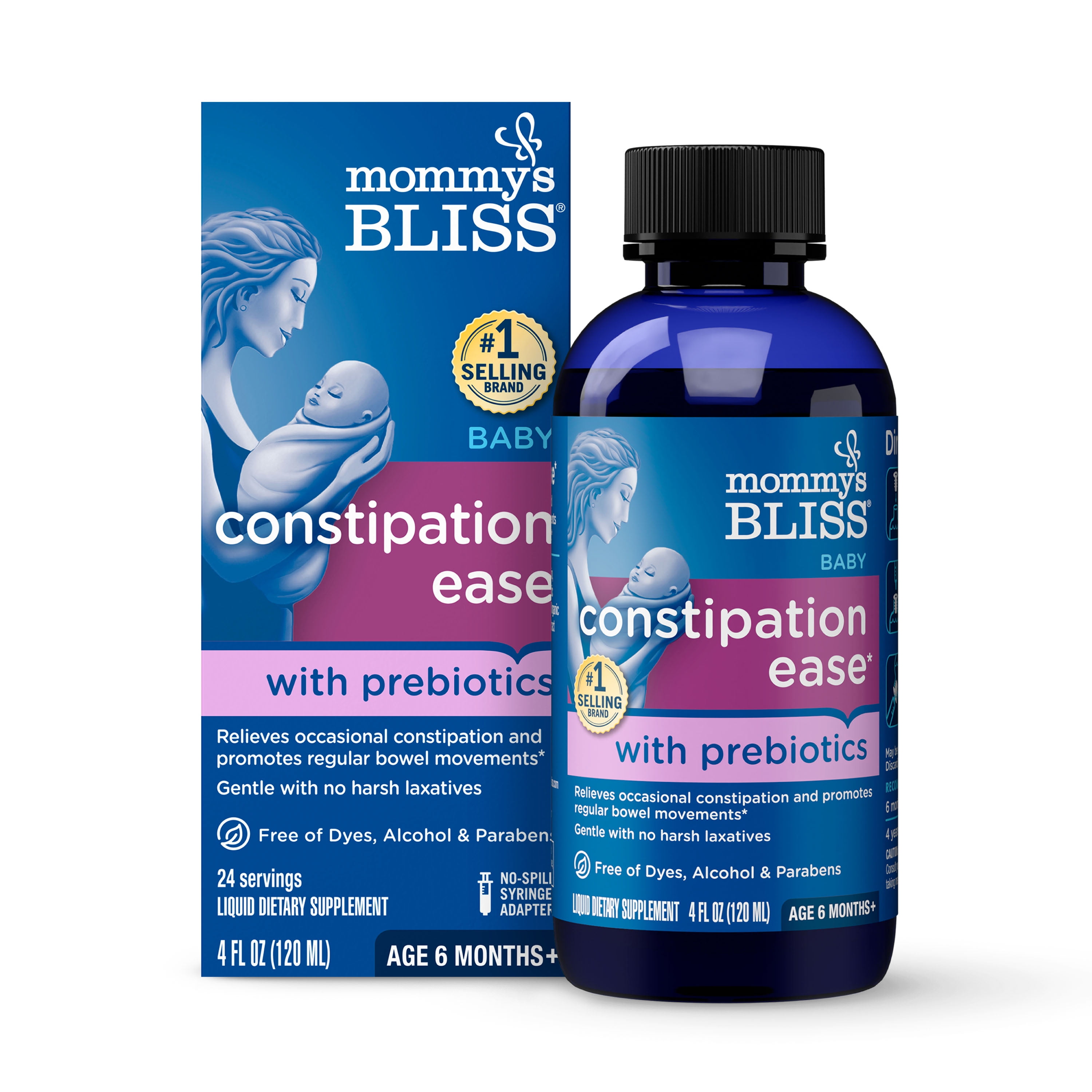
If home care does not work, a doctor may suggest a treatment plan. This might include a stool softener or another medicine that is safe for your baby’s age.
Medical care may involve:
- Adjusting formula
- Suggesting more water or juice for older babies
- Prescribing a stool softener
- Checking for allergies or intolerance
- Reviewing medicines that may cause constipation
Always follow the dosage exactly. A baby’s body is small and sensitive, so even common medicines need careful use.
Preventing constipation from coming back
The best baby constipation relief plan is one that also helps prevent repeat episodes. Small habits can make a big difference over time.
Try these habits:
- Keep feeds regular
- Introduce solids slowly
- Offer fruit and vegetable purees often
- Limit binding foods if constipation is common
- Mix formula exactly as directed
- Watch for signs of dehydration during illness
I’ve learned that prevention is often about consistency, not perfection. A baby’s digestion can be a little like a rhythm section in music. When the beat stays steady, things tend to move more smoothly.

Frequently Asked Questions of baby constipation relief
How do I know if my baby is constipated or just straining normally?
Some babies strain because they are still learning how to coordinate pooping, especially in the first months of life. Constipation is more likely if the stool is hard, dry, or painful to pass.
Can breastfed babies get constipated?
Yes, but it is less common than in formula-fed babies. If a breastfed baby seems constipated, check with a pediatrician to rule out feeding or medical issues.
Is juice good for baby constipation relief?
For older babies, small amounts of pear, prune, or apple juice may help if a pediatrician approves it. Juice is not recommended as a routine fix for very young infants.
How long can a baby go without pooping?
It depends on age and feeding type. Some babies, especially breastfed ones, may go several days without stool and still be normal if the stool is soft and the baby seems comfortable.
When should I worry about baby constipation relief not working?
If home steps do not help after a short time, or if your baby has pain, vomiting, a swollen belly, or blood in the stool, call a doctor. Persistent constipation should always be checked.
Conclusion
Baby constipation relief works best when you match the solution to your baby’s age, feeding style, and symptoms. Gentle movement, careful feeding choices, and simple comfort measures can help many babies feel better, while warning signs should always be taken seriously.
If your baby is struggling, start with the safest steps and keep a close eye on stool texture, feeding, and behavior. When in doubt, contact your pediatrician early so you can get clear guidance and peace of mind.