Newborn sleep-wake regulation develops slowly as the brain, body clock, feeding needs, and daily cues begin to work together.
Newborn sleep-wake regulation can feel confusing because babies do not follow the day and night pattern adults expect. Their sleep is shaped by hunger, growth, light exposure, comfort, and an immature circadian rhythm. Understanding this process can help you respond with more confidence while keeping sleep safe.
This guide explains how newborn sleep-wake regulation works, what normal sleep looks like, how to support healthy rhythms, and when unusual sleep patterns may need medical attention.
What Is Newborn Sleep-Wake Regulation?
Newborn sleep-wake regulation is the developing ability to move between sleep and alertness in a fairly organized way. It includes sleep pressure, the body clock, feeding patterns, brain development, and responses to light and sound.
A newborn does not usually have a strong day-night rhythm at birth. Instead, the baby sleeps in short periods throughout the full 24-hour day. These periods may last from a few minutes to several hours.
Newborn sleep-wake regulation is different from sleep training. Sleep training often refers to teaching an older infant to settle with less help. Newborn sleep-wake regulation is a natural biological process that cannot be rushed.
A newborn’s sleep system is more like a small boat learning to follow the tide than a clock that already works well. It needs time, steady cues, and support.
The main systems involved
Several body systems work together to shape newborn sleep-wake regulation:
• Sleep pressure builds while the baby stays awake and eases during sleep.
• The circadian rhythm helps the body recognize day and night.
• Melatonin, a hormone linked with darkness and sleep, follows a weak pattern in the early weeks.
• Hunger wakes the baby because the stomach is small and milk digests quickly.
• The nervous system controls alertness but is still immature.
• Light, sound, touch, feeding, and movement provide early signals about time and routine.
These systems do not mature at the same speed. That is why a baby may seem wide awake at 2 a.m. but sleepy during the afternoon.

How Newborn Sleep-Wake Regulation Develops
Newborn sleep-wake regulation changes quickly during the first three months. Each baby develops at a different pace, so age ranges are guides rather than strict rules.
Birth to 2 weeks
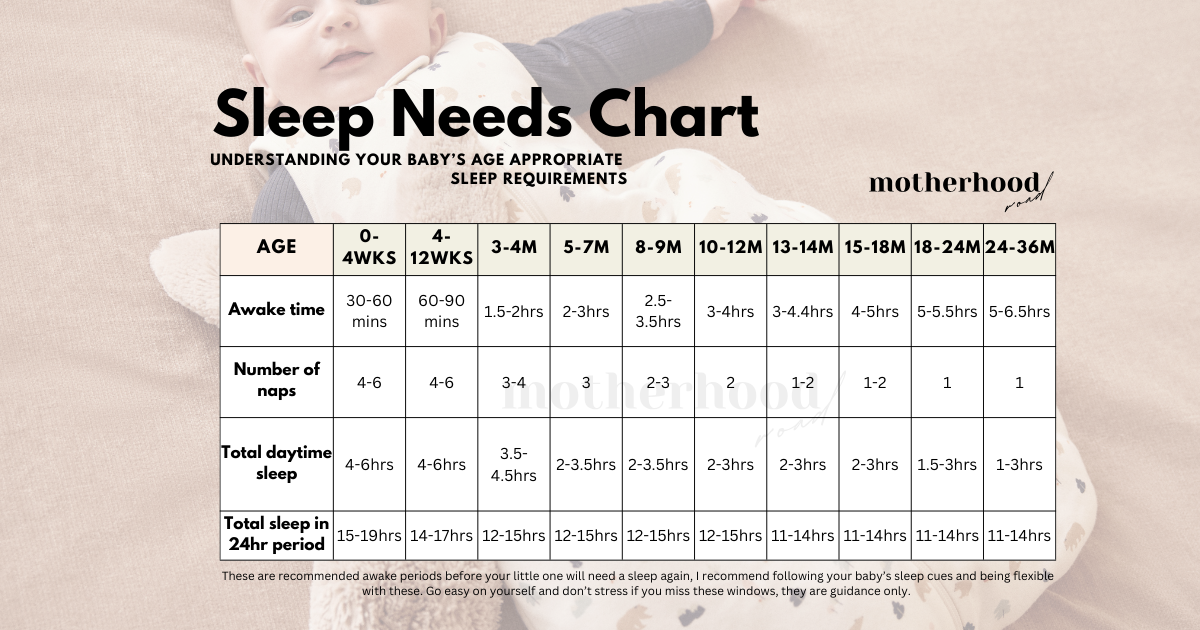
During the first days, many newborns sleep 14 to 17 hours in 24 hours, though some sleep more or less. Sleep often comes in short stretches because babies wake to feed.
A newborn may seem sleepy after birth and then become more alert around the second week. This change is normal. It does not mean the baby has suddenly developed a reliable schedule.
At this stage, feeding and comfort are usually stronger influences than the clock. Most newborns need frequent feeds, including overnight feeds, unless a health professional gives different instructions.
2 to 6 weeks
Around this time, some babies begin to show longer periods of alertness. They may look at faces, respond to voices, and stay awake a little longer after feeding.
Newborn sleep-wake regulation is still uneven. A baby may sleep for two or three hours at one point and wake every 30 minutes later. Growth spurts, gas, reflux symptoms, illness, and changes in feeding can affect sleep.
Many parents expect improvement in a straight line. It rarely works that way. Progress often looks like two better nights, one difficult night, then a small improvement again.
6 to 12 weeks
Between six and 12 weeks, many babies begin to develop a stronger day-night rhythm. They may sleep for a longer stretch at night and take more predictable naps.
This change happens because the circadian system is maturing. Light exposure, regular feeding, and repeated daily events also help the brain learn when to feel alert and when to feel sleepy.
However, a three-month-old may still wake at night. Night waking is not automatically a sleep problem. Infants still have changing nutritional, emotional, and developmental needs.

How Much Sleep Does a Newborn Need?
Most newborns sleep about 14 to 17 hours per day, according to pediatric sleep guidance. Some healthy babies sleep closer to 18 hours, while others sleep less.
The total amount matters, but so does the baby’s behavior when awake. A newborn who feeds well, has regular wet diapers, and becomes alert at times may be doing well even if sleep does not follow a neat pattern.
Newborn sleep-wake regulation is best viewed across a full day rather than by one nap or one night. A single short nap does not tell you much about the baby’s overall sleep health.
Typical newborn sleep patterns
A newborn may:
• Sleep in eight to 12 separate periods.
• Wake every two to four hours to feed.
• Have day and night mixed up.
• Take brief naps that last 20 to 50 minutes.
• Make sounds, smile, frown, or move during sleep.
• Appear restless during active sleep.
• Have one longer sleep period and several short ones.
These patterns can be normal. They can also vary from day to day.
Normal active sleep
Newborns spend a large part of sleep in active sleep, which is similar to rapid eye movement sleep. During this stage, babies may twitch, suck, grunt, breathe unevenly, or move their arms.
Many new parents mistake active sleep for waking. Waiting a few moments before picking up the baby may reveal that the baby is still asleep. Still, always check the baby if breathing, color, or safety seems unusual.
Why Newborns Wake So Often
Frequent waking is a normal part of newborn sleep-wake regulation. It protects the baby’s needs during a period of fast growth and limited energy storage.
Hunger and feeding needs
A newborn’s stomach is small. Breast milk and formula provide vital nutrition, but babies need frequent feeds to support growth.
Some babies feed in clusters. This means they want several feeds close together, often in the evening. Cluster feeding can be tiring, but it does not always mean that milk supply is low or that the baby is not getting enough.
Follow feeding guidance from your pediatrician or lactation professional. Do not stretch feeds or add cereal to bottles to make a newborn sleep longer unless a qualified clinician specifically recommends it.
Immature sleep cycles
Newborn sleep cycles are short. A baby may move from quiet sleep to active sleep and partly wake after 40 to 60 minutes.
This transition can cause stirring, crying, or brief eye opening. Some babies settle again. Others need feeding, burping, a diaper change, or comfort.
Physical discomfort
Gas, a wet diaper, temperature changes, illness, and feeding problems can disturb sleep. Reflux-like symptoms may also make a baby unsettled, but frequent spit-up does not always mean disease.
Avoid placing a baby to sleep on an incline or using sleep positioners. These products can create unsafe breathing conditions. Discuss ongoing discomfort with a pediatric clinician.
Development and overstimulation
A baby who stays awake too long may become overtired. Overtired babies can cry more, resist sleep, and wake often.
Newborns also become overstimulated easily. Bright lights, loud sounds, constant handling, and busy rooms may make it harder for them to settle.

Newborn Sleep Cues to Watch For
Learning sleep cues is one of the most useful ways to support newborn sleep-wake regulation. Cues often appear before intense crying.
Early signs may include:
• Looking away or losing interest in faces.
• Slower movements.
• Less eye contact.
• Yawning.
• Red eyebrows or eyelids.
• A glazed or quiet stare.
• Frowning or mild fussing.
Late signs may include:
• Crying loudly.
• Arching the back.
• Jerky movements.
• Clenched fists.
• Turning the head from side to side.
• Difficulty calming after being held.
Try to begin the settling process when early cues appear. This does not mean every yawn requires immediate sleep. Babies yawn for many reasons. Look for a group of signs rather than one sign alone.
In my experience writing and reviewing infant sleep guidance, one common mistake is waiting for a newborn to look deeply tired. By then, the baby may already be overtired. A calmer approach is to watch the whole pattern: feeding, eye contact, movement, and mood.
Newborn Wake Windows
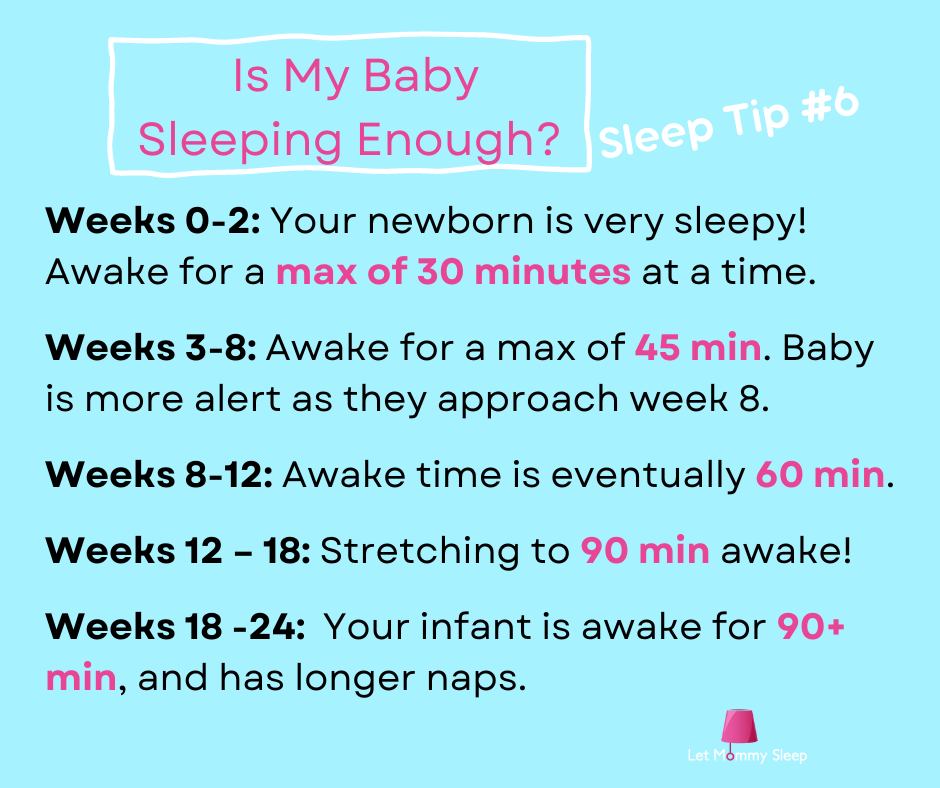
A wake window is the time a baby stays awake between sleep periods. It includes feeding, burping, diaper changes, cuddling, and brief interaction.
Newborn wake windows are often about 45 to 60 minutes, though some babies manage less and others manage more. The window usually includes the feed, so it can pass quickly.
For example:
-
The baby wakes and feeds.
-
You burp and change the diaper.
-
The baby looks around for a few minutes.
-
You notice slower movement and reduced eye contact.
-
You begin a quiet settling routine.
Newborn wake windows should not be treated as strict deadlines. They are helpful estimates, not rules. A baby recovering from birth, a premature baby, or a baby who is unwell may have different needs.
How to use wake windows safely
Use wake windows with sleep cues rather than against them. If the baby shows clear tired signs after 35 minutes, start settling then.
If the baby remains calm and alert after 60 minutes, offer a quiet change of activity. Avoid pushing the baby into a long period of stimulation just to follow a number.
Newborn sleep-wake regulation improves when parents use both observation and routine. The clock can guide you, but your baby’s behavior gives the better answer.

How to Support Healthy Newborn Sleep-Wake Regulation
You cannot force a newborn’s body clock to mature, but you can provide clear and gentle signals.
Use bright light during the day
Expose your baby to normal daytime light during waking hours. Open curtains, spend time near a bright window, or take a short walk when weather and health allow.
Do not place a newborn in direct sunlight. Young skin can burn easily, and babies can overheat.
Daytime light helps the developing circadian system notice the difference between day and night. It may take weeks for this signal to have a clear effect.
Keep nighttime calm
At night, keep lights dim and interactions quiet. Feed, burp, change the diaper when needed, and return to sleep.
You do not need to make the room completely silent. Normal household sounds can help the baby learn that daytime and nighttime feel different.
Avoid turning nighttime feeds into play sessions. A soft voice and slow movements are often enough.
Create a short routine
A newborn routine can be simple:
• Dim the lights.
• Check the diaper.
• Feed the baby.
• Burp if needed.
• Use a sleep sack or swaddle according to safety guidance.
• Hold, rock, or feed the baby to sleep if needed.
• Place the baby on a firm, flat sleep surface.
The goal is not perfect independence. The goal is repetition. Repeated steps act like signposts for the baby’s developing brain.
Offer safe daytime interaction
During alert periods, talk, sing, cuddle, and offer short periods of supervised tummy time. These activities support development and help separate waking time from sleep time.
Stop when the baby shows stress or tired signs. Newborns do not need constant entertainment.
Safe Sleep and Newborn Sleep-Wake Regulation
Safe sleep is more important than a long sleep stretch. The American Academy of Pediatrics recommends placing babies on their backs for every sleep, on a firm, flat, noninclined surface.
Keep the sleep space free of loose blankets, pillows, bumpers, stuffed toys, and positioners. Room sharing without bed sharing is recommended for at least the first six months when possible.
A safe sleep checklist
• Place the baby on the back for naps and nighttime sleep.
• Use a firm mattress with a fitted sheet.
• Keep the crib, bassinet, or play yard empty.
• Share a room, not an adult bed.
• Avoid smoke and nicotine exposure.
• Keep the baby comfortably dressed, but avoid overheating.
• Stop swaddling when the baby shows signs of rolling.
• Never use weighted swaddles or weighted sleep products for a newborn.
Swaddling may calm some babies when done correctly. The swaddle should be snug around the chest but loose around the hips. The baby must always be placed on the back, and the product must not cover the face.
If the baby rolls or tries to roll, stop swaddling. Move to an arms-free sleep sack instead.
Common Mistakes That Can Disrupt Newborn Sleep
Many sleep problems come from understandable efforts to help. Parents are tired and often try whatever seems promising. The following mistakes are common.
Keeping the baby awake to encourage longer sleep
A baby who stays awake too long may become overtired. Overtiredness can raise stress and make settling harder.
More awake time does not always create more nighttime sleep. In the newborn stage, a calm and timely nap is often more helpful.
Expecting a strict schedule
Newborns do not usually follow a fixed timetable. Feeding, growth, and sleep needs change from day to day.
A flexible rhythm works better than a strict schedule. Think in patterns, not exact times.
Using unsafe sleep products
Nests, loungers, inclined sleepers, and positioners may look cozy, but they can create breathing risks. A product marketed for sleep is not automatically safe for sleep.
Check current safety guidance before using any infant sleep product. When in doubt, use a bare crib, bassinet, or play yard with a firm, flat surface.
Treating every sound as a full waking
Active sleep can include grunts, squeaks, and movement. Picking up the baby at every sound may interrupt sleep.
Pause briefly if the baby is breathing normally and has a healthy color. If the baby begins to cry or seems distressed, respond.
Comparing babies
One baby may sleep in long stretches while another wakes often. These differences do not always show that one parent is doing something better.
Newborn sleep-wake regulation is shaped by temperament, birth history, feeding, health, and development. Comparison can create stress without giving useful answers.
Feeding, Growth, and Sleep
Feeding and sleep are closely linked in the newborn period. A baby who is hungry will often wake, and frequent feeding can be a normal sign of growth.
Breastfed babies may feed more often than formula-fed babies, though there is wide variation. Babies may also feed more during growth spurts.
Watch for signs that feeding is going well:
• The baby has wet diapers as expected for age.
• The baby seems satisfied after some feeds.
• Weight gain follows the clinician’s plan.
• The baby has periods of alertness.
• Feeding is not consistently painful or difficult.
A newborn who is hard to wake for feeds, feeds poorly, has fewer wet diapers, or shows signs of dehydration needs prompt medical advice.
Do not use sleep length alone to judge feeding success. A very sleepy baby may not be getting enough nutrition. A pediatrician or lactation consultant can assess feeding, weight, latch, and milk transfer.
When to Call a Pediatrician
Newborn sleep can vary widely, but some signs need medical attention. Contact a health professional if your baby:
• Is difficult to wake for feeds.
• Refuses several feeds.
• Has noticeably fewer wet diapers.
• Has a fever, especially under three months of age.
• Has blue, gray, or pale skin.
• Shows struggling, fast, or unusual breathing.
• Vomits forcefully or repeatedly.
• Is unusually limp or weak.
• Cries in a way that is sudden, severe, or difficult to soothe.
• Has poor weight gain or seems increasingly tired.
Call emergency services for severe breathing trouble, blue lips or face, unresponsiveness, or another urgent danger.
Parents should also seek help if exhaustion is becoming unsafe. If you feel angry, overwhelmed, or afraid you might fall asleep while holding the baby, place the baby on a safe sleep surface and step away for a few minutes. Contact someone you trust or a local support service.
Newborn sleep-wake regulation should never be treated as more important than safety, feeding, or medical care.
A Simple Day-and-Night Plan
A gentle plan can help families support newborn sleep-wake regulation without demanding a strict schedule.
During the day
• Offer feeds as advised by your health professional.
• Use natural light during awake periods.
• Talk, cuddle, and offer short play periods.
• Keep normal household sounds at a comfortable level.
• Watch for early sleep cues.
• Offer naps before the baby becomes overtired.
During the night
• Keep the room dim.
• Use a quiet voice.
• Change the diaper when needed.
• Feed the baby fully and safely.
• Avoid bright screens and exciting play.
• Return the baby to the approved sleep space.
This plan may not produce immediate long sleep stretches. Its purpose is to give the baby repeated cues. Over time, those cues can support stronger newborn sleep-wake regulation.
A Realistic Parent Mindset
The newborn stage is not a test of discipline. It is a period of adjustment for both baby and parent.
One lesson I often share with families is to measure progress by calm responses, not by perfect sleep. A baby who settles five minutes sooner, feeds well, or gives one clear sleepy cue is showing useful progress.
Another lesson is to protect the caregiver. Trade shifts with a partner when possible. Accept help with meals and chores. Sleep when another trusted adult can safely watch the baby.
Do not let social media create an unrealistic picture of newborn sleep. Many families share their best nights, not the full story. A newborn who wakes often can still be healthy, and a newborn who sleeps longer may still need feeding checks.
Ask for practical help. “Can you hold the baby while I nap?” is often more useful than a general request for support.
Frequently Asked Questions About Newborn Sleep-Wake Regulation
When does newborn sleep-wake regulation begin?
Newborn sleep-wake regulation begins at birth but develops gradually. A clearer day-night rhythm often appears between six and 12 weeks, although timing varies.
How can I tell if my newborn is tired?
Early signs include looking away, slower movement, reduced eye contact, yawning, and mild fussing. Crying and frantic movements are later signs that the baby may be overtired.
Should I wake my newborn to feed?
Many newborns need regular feeds, including overnight feeds. Follow your pediatrician’s advice, especially if your baby is premature, has jaundice, has weight concerns, or is not yet back to birth weight.
Can I sleep-train a newborn?
Formal sleep training is usually not needed for a newborn. Focus instead on feeding, safe sleep, responsive care, daytime light, calm nighttime routines, and watching sleep cues.
Why does my newborn sleep during the day and stay awake at night?
The newborn circadian rhythm is still immature, so day-night confusion is common. Bright daytime light, normal daytime activity, and quiet nighttime care can help the rhythm develop.
Is it normal for a newborn to grunt or move during sleep?
Newborns often grunt, twitch, suck, or move during active sleep. Check the baby if breathing looks difficult, the color changes, or the baby seems distressed.
How long should a newborn stay awake?
Many newborns stay awake for about 45 to 60 minutes, including feeding time. Use this range as a guide, but follow the baby’s sleep cues because individual needs differ.
Conclusion
Newborn sleep-wake regulation develops through a mix of biology, feeding, light, sleep pressure, and daily care. Short sleep periods, frequent waking, and day-night confusion are common in the early weeks.
Support the process with daytime light, calm nighttime care, flexible wake windows, responsive feeding, and safe sleep practices. Watch your baby’s behavior rather than expecting a perfect schedule.
Most of all, care for the caregiver too. Use trusted medical guidance when feeding or sleep seems unusual, and ask for help when exhaustion becomes heavy. For more practical newborn guidance, explore reliable pediatric resources and share your own experience with other new parents.