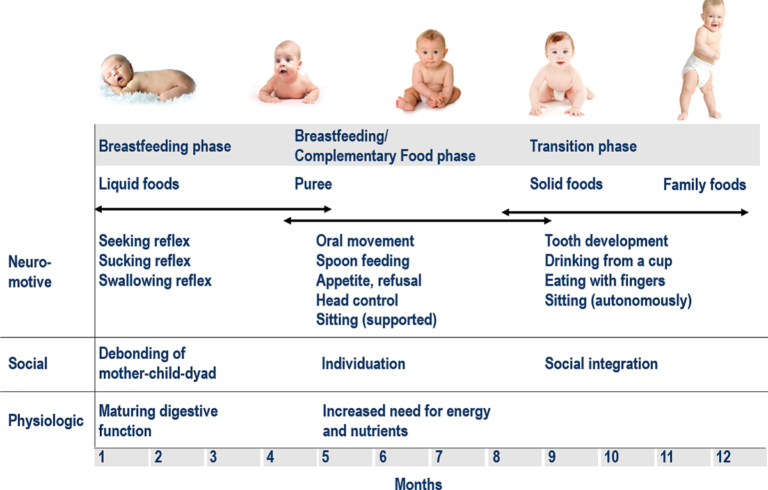
Newborn sleep transitions are gradual shifts in sleep patterns, feeding needs, wake time, and day-night rhythms during the first months.
Newborn sleep transitions can feel confusing because your baby’s sleep changes often and rarely follows a straight line. This guide explains what to expect, how to support healthy sleep, and when a change may need medical advice.
What Are Newborn Sleep Transitions?
Newborn sleep transitions are the normal changes a baby makes between sleep states, sleep periods, and daily rhythms. They also include the shift from womb-like sleep patterns to a clearer difference between day and night.
Most newborns sleep about 14 to 17 hours in 24 hours, though some sleep more or less. Sleep usually comes in short periods because a baby’s stomach is small and regular feeding is still needed.
Newborns do not yet have a mature body clock. Their circadian rhythm develops over the first few months. Light, feeding, movement, and social contact slowly teach the brain when daytime and nighttime occur.
A newborn may move through these changes:
• From several short naps to slightly longer naps
• From random sleep times to a loose daily pattern
• From frequent waking to longer nighttime stretches
• From needing full support to settling with less help
• From quiet sleep to active sleep, with more sounds and movement
These changes are not the same as formal sleep training. Most newborns are not ready for strict sleep training plans. Their sleep is still shaped by hunger, growth, comfort, and immature brain development.

Why Newborn Sleep Changes So Often
Newborn sleep transitions happen because babies are growing quickly. Their brains, nervous systems, digestion, and body clocks are all changing at once.
A newborn’s sleep cycle is also much shorter than an adult’s. Many babies move between sleep cycles every 40 to 60 minutes. During these shifts, they may grunt, stretch, open their eyes, or cry briefly.
Active sleep can look like waking. Your baby may smile, frown, suck, twitch, or make small noises while still asleep. Waiting a few moments before picking up your baby can help you see whether the baby is truly awake.
Common causes of changing sleep include:
• Hunger or a growth spurt
• Gas, reflux, or a wet diaper
• Too much light or noise
• An overly long wake period
• A new skill, such as rolling or pushing up
• Illness, fever, or discomfort
• A change in the family routine
• Increased awareness of the world
A useful way to think about newborn sleep transitions is to picture sleep as a small boat on moving water. The boat may drift, pause, or change direction. Your job is not to force the water to stay still. Your job is to keep the boat safe and offer steady support.

Newborn Sleep Transitions by Age
Every baby develops at a different pace. Age ranges can help you prepare, but they should not become strict deadlines.
Birth to 6 weeks
In the early weeks, sleep is often scattered across the entire day and night. Many babies sleep for one to three hours at a time and wake for feeding.
Your baby may have no clear bedtime. That is normal. Focus on feeding, safe sleep, comfort, and learning your baby’s early tired signs.
At this stage, newborn sleep transitions may happen several times in one day. A baby may sleep deeply after feeding, then wake soon after because of gas or hunger.
6 to 12 weeks
Many babies begin to show more day-night awareness during this period. Night sleep may slowly become the longest sleep period, but frequent waking is still expected.
Some babies start to take more predictable naps. Others remain irregular. Both patterns can be normal if the baby feeds well, grows as expected, and has normal wet diapers.
You may also notice more alert and social periods. This can make bedtime harder if your baby becomes overtired. Gentle routines can help signal that sleep is coming.
3 to 4 months
Around this time, sleep cycles may become more organized. Some babies begin waking more fully between cycles, which can look like a sudden sleep setback.
This change is sometimes called the four-month sleep regression. It is better understood as a developmental shift than a true regression. Your baby’s sleep structure is becoming more mature, but the ability to return to sleep may still be developing.
Do not assume every waking is a sleep regression. Hunger, illness, teething discomfort, and changes in daytime sleep can also affect nighttime rest.

Signs Your Newborn Is Ready for a Sleep Transition
Newborn sleep transitions are easier when you respond to signals instead of the clock. A baby’s needs can change from one day to the next.
Signs of tiredness may include:
• Looking away or becoming less engaged
• Slower movements
• Yawning
• Red eyebrows or eyelids
• Fussing
• Clenched hands
• Staring into space
Crying is often a late tired sign. A baby who is already crying hard may need more help to settle. This does not mean you caused a problem. It simply means the sleep window may have passed.
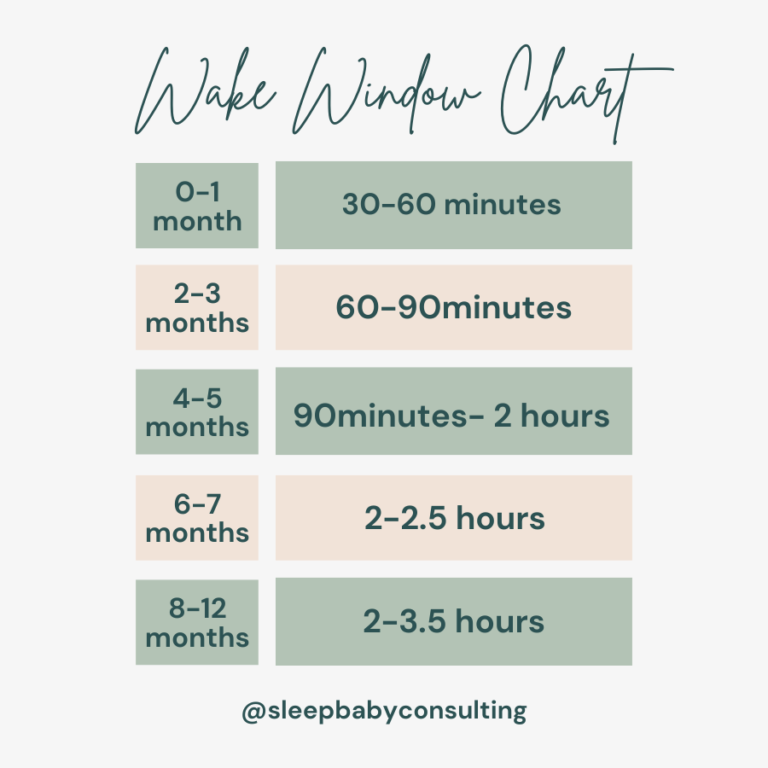
A newborn’s wake window is the time your baby can usually stay awake before needing sleep. In the first weeks, it may be about 45 to 60 minutes. By three months, many babies can stay awake for about 60 to 90 minutes.
These ranges are guides, not rules. Feeding, growth, temperament, and health can change them. Watch your baby first, then use the clock as a helpful reminder.
How to Support Healthy Newborn Sleep Transitions
You do not need a perfect schedule. You need a calm, safe, and repeatable approach.
Use light to teach day and night
Expose your baby to natural daylight during the day. Keep daytime feeds and interactions bright and normal.
At night, use dim lights and a quiet voice. Keep diaper changes brief unless the diaper is soiled or your pediatrician advises otherwise.
This pattern gives the body clock clear clues. It will not fix sleep in one night, but steady cues can help over time.
Create a short bedtime routine
A newborn routine can last only 10 to 20 minutes. It might include:
-
A diaper change
-
A feeding
-
A burp
-
A sleep sack
-
A short song
-
A safe transfer to the crib
The routine does not need to happen at the same minute every night. The order matters more than perfect timing.
Practice one calm settling method
You can rock, hold, feed, or gently pat your newborn to sleep. These are normal ways to provide comfort.
If you want to encourage independent settling later, place your baby down calm and drowsy when it feels realistic. Do not worry if your newborn still needs help. Responsive care is appropriate in the early months.
Protect daytime sleep
An overtired newborn may seem more awake, but the baby may actually be too tired to settle. Offer naps when tired signs appear.
A dark room, steady background sound, and a comfortable temperature may support naps. Keep the sleep space clear and follow safe sleep guidance every time.
Respond to hunger
Newborns often need to eat during the night. Do not stretch feeds or reduce nighttime feeding without advice from your child’s health care professional.
If your baby was premature, has feeding concerns, or has slow weight gain, ask the pediatrician for an individualized plan.

Safe Sleep During Newborn Sleep Transitions
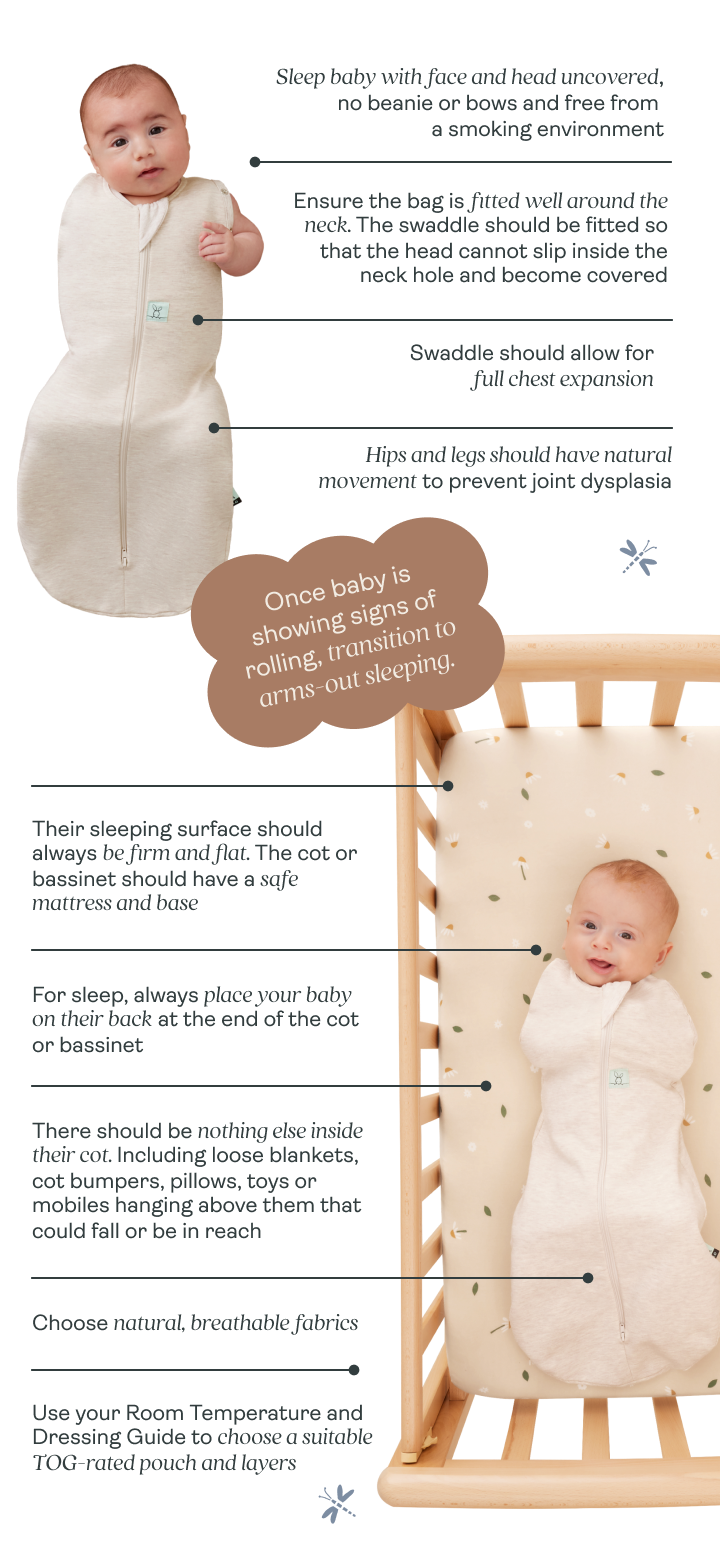
Safe sleep remains the most important part of every sleep change. The American Academy of Pediatrics recommends placing babies on their backs for every sleep, on a firm, flat, noninclined surface.
Use a crib, bassinet, or portable play yard that meets current safety standards. Keep the sleep area free of pillows, blankets, bumper pads, stuffed toys, and positioners.
Key safe sleep practices include:
• Place your baby on the back for naps and nighttime sleep
• Use a firm, flat mattress with a fitted sheet
• Keep the baby’s sleep space in your room, not in your bed
• Avoid smoke, vaping, alcohol, and sedating drugs around the baby
• Stop swaddling when your baby shows signs of rolling
• Never use weighted swaddles or weighted sleep products
• Avoid sleeping with a baby on a couch, recliner, or adult bed
Room sharing can make feeding and checking easier while lowering risk compared with bed sharing. If you bring your baby into bed to feed, return the baby to the separate sleep space before you go to sleep.
Sleep products marketed as “smart,” “anti-roll,” or “womb-like” are not a substitute for safe sleep rules. A product’s marketing claims do not prove that it prevents sleep-related death.

Common Problems During Newborn Sleep Transitions
Short naps
Short naps are common because newborn sleep cycles are brief. A baby may sleep for 25 to 45 minutes and wake after one cycle.
Try giving your baby a short pause before intervening. If the baby is awake, offer comfort and assess hunger, temperature, and diaper needs.
Frequent night waking
Frequent waking is expected in the newborn stage. Babies wake to feed, seek comfort, and move through light sleep.
A longer stretch of sleep is not always better if your baby is not gaining weight well. Follow feeding guidance from your pediatrician or lactation professional.
False starts at bedtime
A false start happens when a baby falls asleep, then wakes after 20 to 60 minutes. It may happen because of overtiredness, hunger, gas, or a noisy sleep setting.
Try an earlier wind-down, a full feeding, and a calm burp. Avoid adding many new techniques at once. Too much activity can make settling harder.
Day-night confusion
A baby with day-night confusion may sleep more during the day and wake often at night. This pattern is common in the first weeks.
Keep daytime bright and active. Keep nighttime boring, dim, and quiet. Most babies need time for their internal clock to mature.
Contact sleep
Many newborns sleep best while being held. This is common and does not mean your baby is spoiled.
The risk begins when the caregiver falls asleep while holding the baby in an unsafe place. If you feel sleepy, move the baby to a safe sleep surface and ask another adult for help when possible.
Mistakes to Avoid
Newborn sleep transitions can be stressful, especially when advice online conflicts. A few common mistakes can make the process harder.
• Treating every noise as a full waking
• Keeping a newborn awake to “wear the baby out”
• Following a strict schedule before the baby is ready
• Dropping nighttime feeds without medical guidance
• Changing methods every few minutes
• Using unsafe sleep products for longer sleep
• Comparing your baby with a sibling or friend’s baby
• Expecting a newborn to self-soothe for long periods
One lesson many new parents learn is that consistency does not mean rigidity. The same calm steps can help, while the exact timing may change each day.
A practical approach is to track only a few things for three days:
• Feeding times
• Sleep periods
• Wet and dirty diapers
This can reveal patterns without turning your baby’s life into a spreadsheet. Share the notes with your pediatrician if you have concerns.

When to Call a Pediatrician
Sleep changes are often normal, but some signs need prompt medical attention. Contact your pediatrician if your baby is hard to wake, feeds poorly, has fewer wet diapers, or is not gaining weight as expected.
For babies younger than three months, a rectal temperature of 100.4°F (38°C) or higher needs immediate medical guidance. Call your health care professional before giving fever medicine.
Seek urgent help if your baby has trouble breathing, blue or gray skin, severe weakness, repeated vomiting, or a seizure.
Trust your instincts. A sleep problem may be normal, but a sudden change paired with illness signs deserves attention.

A Simple Plan for Newborn Sleep Transitions
Use this plan when your baby’s sleep feels unsettled:
-
Check basic needs. Offer feeding, a clean diaper, a burp, and appropriate clothing.
-
Look for tired signs. Begin calming the baby before intense crying starts.
-
Use a short routine. Keep the steps gentle and repeatable.
-
Set the sleep space. Use a firm, flat, clear surface and place your baby on the back.
-
Pause briefly. If your baby makes small sounds, wait to see whether sleep continues.
-
Respond with comfort. Pick up, feed, rock, or pat your baby as needed.
-
Review the pattern. Look at several days, not one difficult night.
This plan supports newborn sleep transitions without promising instant results. Progress may look like one calmer bedtime or one longer stretch, not a perfect night.
Frequently Asked Questions About Newborn Sleep Transitions
When do newborn sleep transitions start?
Newborn sleep transitions begin from the first days of life as feeding, alertness, and sleep patterns change. More noticeable shifts often occur between 6 weeks and 4 months, but timing varies by baby.
How long should a newborn stay awake?
Many newborns stay awake for about 45 to 60 minutes, while older babies near three months may manage 60 to 90 minutes. Use tired signs as the main guide because wake windows are only general ranges.
Is it normal for a newborn to wake every two hours?
Yes. Frequent waking supports regular feeding and is common in the early months. Ask a pediatrician for advice if your baby is difficult to wake, feeds poorly, or has fewer wet diapers.
Should I wake my newborn to feed?
Some newborns need scheduled waking, especially if they are premature, jaundiced, or not gaining weight well. Follow your pediatrician’s feeding plan before allowing long sleep stretches.
Can I start sleep training during the newborn stage?
Most newborns are not ready for formal sleep training because they need frequent feeds and responsive care. You can use gentle routines and safe sleep habits now, then discuss structured methods with your pediatrician later.
Why does my newborn grunt and move during sleep?
Newborns spend a lot of time in active sleep, which can include grunts, facial movements, sucking, and brief cries. If your baby has normal color and breathing, these sounds may not mean the baby is awake.
When should I stop swaddling?
Stop swaddling as soon as your baby shows signs of trying to roll, which may happen around two to four months or earlier. Move to a correctly sized, nonweighted sleep sack that leaves the arms free.
Conclusion
Newborn sleep transitions are a normal part of early development. Sleep may shift because of feeding, growth, body-clock changes, short sleep cycles, and new skills.
Focus on safe sleep, responsive feeding, gentle routines, daylight exposure, and your baby’s tired signs. Avoid strict expectations, unsafe products, and comparisons with other families.
Take the next step by tracking your baby’s sleep and feeding patterns for a few days, then discuss concerns with your pediatrician. Share your experience or explore trusted newborn care resources for more support.