Newborn feeding and sleep shape each other, so hunger often wakes babies while full feeds can support longer sleep.
The newborn feeding-sleep relationship can feel confusing, especially when your baby eats often, naps briefly, or wakes soon after a feed. In the first weeks, feeding, digestion, growth, and sleep work as one changing system—not a fixed schedule. This guide explains what is normal, how to spot hunger and tiredness, and how to support safe sleep without forcing routines too early.
Understanding the Newborn Feeding-Sleep Relationship
Newborns have small stomachs, fast growth, and immature body clocks. Because of this, they often feed every two to four hours, though some babies feed more often. Breastfed babies may nurse eight to twelve times in 24 hours, while formula-fed babies may follow a somewhat different pattern.
The newborn feeding-sleep relationship works in both directions:
• Hunger can wake a baby from sleep.
• A satisfying feed may help a baby relax and sleep.
• Sleep can make a tired baby too drowsy to feed well.
• Frequent feeding can support milk production and healthy weight gain.
A newborn does not usually wake to “fight sleep.” Most wake-ups have a reason. Hunger, gas, a wet diaper, temperature changes, reflux, or the need for comfort may all play a role.
Think of your baby’s day as a small circle. Feeding supports energy. Energy supports alert time. Alert time leads to sleep. Sleep then prepares the baby for the next feed. This circle is the heart of the newborn feeding-sleep relationship.

Why Newborns Wake So Often to Feed
Newborn sleep cycles are short. Many babies move between light and deeper sleep every 40 to 60 minutes. They may stir, grunt, stretch, or open their eyes without fully waking.
Hunger is also a major reason for frequent waking. A newborn’s stomach holds only a small amount, so regular feeds are expected. Growth spurts can make this pattern even stronger for a few days.
Common reasons a newborn wakes to feed include:
• Small stomach size
• Rapid growth
• Breast milk digestion
• Cluster feeding in the evening
• A growth spurt
• An immature circadian rhythm
• A need for comfort and closeness
Newborns also lack a strong day-night rhythm at birth. Their internal clock develops over the first several weeks and months. Daylight, regular daytime activity, and quiet nighttime care may slowly help this rhythm mature.
The newborn feeding-sleep relationship is not a sign that something is wrong when a baby wakes often. Frequent waking is often a normal safety feature. It helps babies receive needed calories and gives caregivers a chance to notice feeding or health concerns.

How Much Should a Newborn Eat?
There is no single perfect amount for every newborn. Feeding needs depend on age, birth weight, health, feeding method, and medical advice.
Breastfed babies often feed on demand. This means you offer the breast when the baby shows early hunger signs. Some feeds may be long, while others may be short. A baby may also ask to nurse several times close together.
Formula-fed newborns often begin with small amounts and gradually take more as they grow. Always follow your pediatrician’s advice and the formula label. Do not add extra water, cereal, or other ingredients to a bottle.
Signs that a newborn may be feeding well include:
• Steady weight gain after the early newborn period
• Regular wet diapers
• Audible swallowing during some feeds
• A relaxed body after feeding
• Good skin color and alert periods
• A healthcare provider’s reassurance at weight checks
Diaper counts can offer useful clues, but they do not replace weight checks. In the first days, wet diapers may be fewer. By about day five, many healthy newborns have around six or more wet diapers each day, though your clinician may give different guidance.
If your baby is hard to wake, feeds very poorly, has too few wet diapers, or shows signs of dehydration, contact a healthcare professional promptly.

Hunger Cues and Sleep Cues
Learning cues can make the newborn feeding-sleep relationship easier to understand. Crying is often a late hunger sign. A baby may feed better when you respond earlier.
Early hunger cues include:
• Stirring from sleep
• Bringing hands to the mouth
• Turning toward a touch on the cheek
• Smacking or licking the lips
• Opening the mouth
• Making soft sucking sounds
Late hunger cues include crying, stiffening, and frantic movements. Calm your baby first if needed. Skin-to-skin contact, gentle holding, or a quiet voice may help the baby settle before feeding.
Newborn sleep cues can be subtle. Look for:
• Less eye contact
• Slow movements
• Yawning
• Staring into space
• Frowning or fussing
• Red eyebrows
• Turning the face away
A baby who stays awake too long may become overtired. An overtired newborn may cry, feed poorly, or appear unable to settle. This can create a loop in the newborn feeding-sleep relationship: tiredness makes feeding harder, and poor feeding leads to more waking.

Should You Wake a Newborn to Feed?
Many newborns need to be woken for feeds, especially during the first days or weeks. This is often true if a baby has not regained birth weight, was born early, has jaundice, or has a medical concern.
Your pediatrician or lactation professional can tell you when it is safe to let your baby sleep longer. Until then, follow the feeding plan given after birth.
You may need to wake your baby when:
• Your healthcare provider recommends scheduled feeds
• Your baby is very sleepy at the breast or bottle
• Your baby has not regained birth weight
• Wet diapers are below the expected amount
• Your baby was premature or medically fragile
• Your baby has jaundice or another condition
To gently wake a sleepy baby, try:
-
Removing a layer of clothing.
-
Changing the diaper.
-
Holding the baby skin to skin.
-
Talking softly or rubbing the back.
-
Offering the breast or bottle when the baby becomes alert.
Never let a baby sleep in an unsafe place just because the baby finally settled. Move the baby to a firm, flat sleep surface on the back, with no pillows, loose blankets, or soft items.

Feeding to Sleep: Is It a Problem?
Feeding to sleep is common and biologically normal for newborns. Sucking can calm the nervous system, and a full belly may make a baby drowsy. In the early weeks, feeding is both nourishment and comfort.
There is no need to stop every feed when your newborn becomes sleepy. However, your baby should transfer milk or formula well. If the baby falls asleep after only a few weak sucks at every feed, ask a healthcare professional to check latch, milk transfer, oral movement, and overall health.
Helpful steps include:
• Watch for active sucking and swallowing.
• Gently compress the breast if advised by a lactation consultant.
• Pause to burp when your baby seems uncomfortable.
• Change the diaper midway through a feed if needed.
• Offer the other breast when appropriate.
• Keep bottle feeds paced and calm.
A common mistake is trying to keep a newborn awake for too long after feeding. Newborns do not need a strict separation between feeding and sleep. The goal is effective feeding and safe sleep, not perfect independence.

Cluster Feeding and the Evening Sleep Pattern
Cluster feeding means a baby feeds many times over a short period. It often happens in the late afternoon or evening. A baby may nurse, sleep briefly, wake, and ask to feed again.
Cluster feeding can be normal. It does not always mean that milk supply is low. Newborns may cluster feed during growth spurts or when they need extra closeness after a busy day.
Parents often expect one large evening feed to produce a long stretch of sleep. Newborn bodies do not work that way yet. A baby may still wake soon after feeding because the stomach is small and sleep cycles are short.
During cluster feeding:
• Keep water and a snack nearby.
• Use pillows or a supportive chair to protect your posture.
• Ask another adult to handle diapers, food, and household tasks.
• Watch for pain, poor latch, or signs of inadequate intake.
• Rest whenever you can, rather than trying to finish every chore.
If cluster feeding comes with poor weight gain, very few wet diapers, severe pain, or a baby who is difficult to wake, seek professional advice.

How Feeding Method Can Affect Sleep
Breastfeeding and formula feeding can both support healthy growth. The newborn feeding-sleep relationship may look different with each method, but sleep length alone does not show whether feeding is working well.
Breast milk is generally digested quickly. Some breastfed babies may wake often to feed, but this is not a measure of poor milk quality. Formula-fed babies may sometimes sleep for longer periods, yet many still wake often.
Bottle feeding also needs close attention. A bottle can flow faster than a breast, which may cause a baby to take more than needed before showing fullness. Watch for pauses, turning away, relaxed hands, or a slower suck.
Responsive bottle feeding means:
• Hold the baby close and keep the bottle more level.
• Allow regular pauses.
• Watch the baby rather than pushing a set amount.
• Stop when the baby shows fullness cues.
• Never prop a bottle or leave it in the baby’s mouth.
Do not add rice cereal or other foods to a bottle to make a baby sleep longer. This can create choking risks and does not safely improve sleep.
Safe Sleep and the Feeding-Sleep Relationship
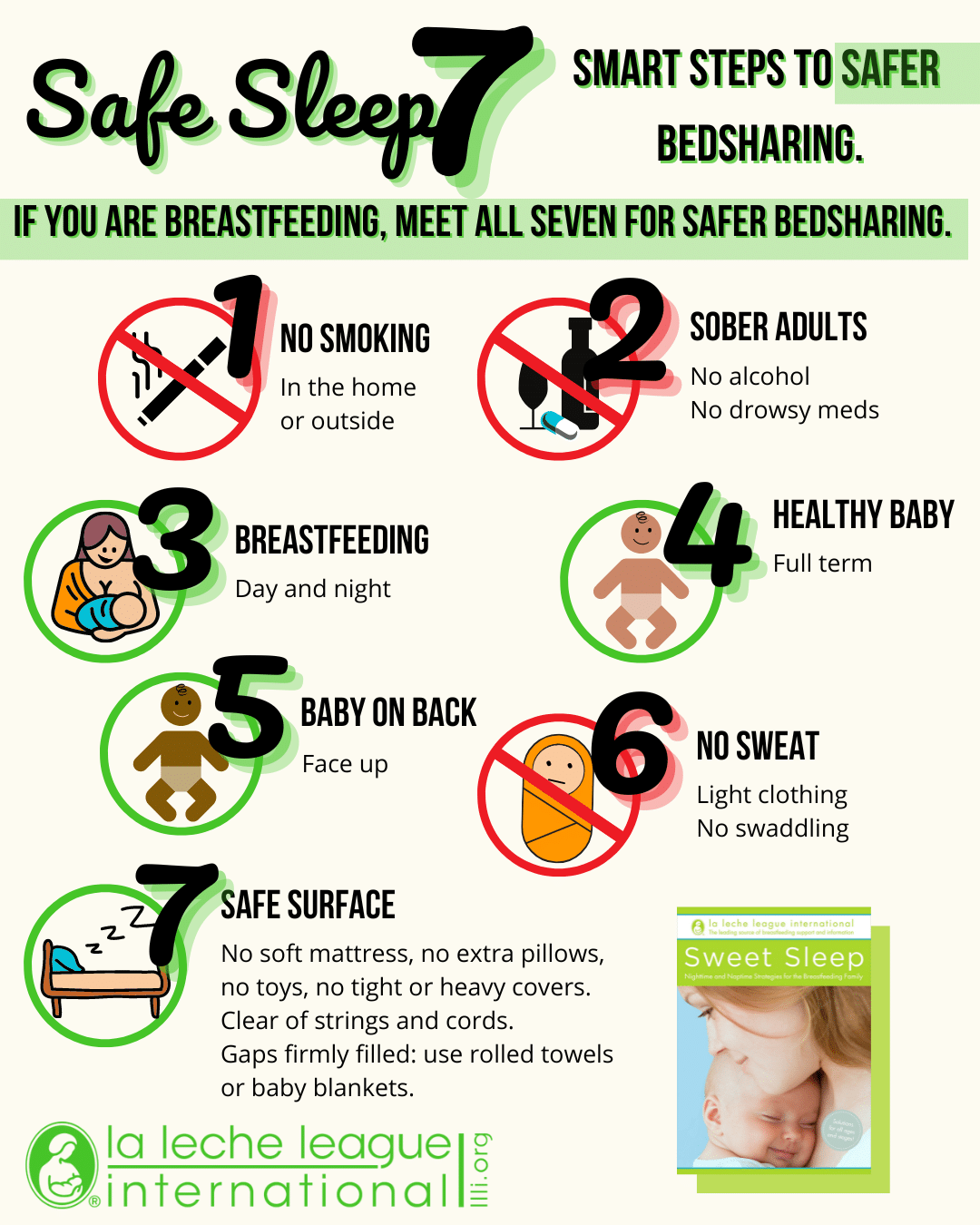
Safe sleep must remain the priority, even when feeding makes your baby sleepy. The American Academy of Pediatrics recommends placing babies on their backs for every sleep, on a firm, flat, separate sleep surface.
A safe sleep space has:
• A firm mattress
• A fitted sheet
• No pillows
• No loose blankets
• No stuffed toys
• No bumper pads
• No inclined sleep products
Room sharing without bed sharing is recommended for at least the first six months when possible. It allows you to respond to feeding cues while keeping the baby in a safer sleep space.
If you feed in bed, plan ahead. Remove pillows and loose bedding from the area, and return the baby to the crib or bassinet as soon as you wake. Sofas and armchairs are especially dangerous places to fall asleep with a baby.
The newborn feeding-sleep relationship should never require unsafe sleep practices. A baby who sleeps longer in an unsafe position is not sleeping safely.
Building a Gentle Newborn Routine
A routine is not the same as a strict schedule. Newborns often need flexible care based on hunger, tiredness, and medical needs.
A simple pattern may look like this:
-
Watch for hunger cues.
-
Feed until the baby shows fullness or the feed is complete.
-
Burp or hold the baby upright if needed.
-
Notice early sleep cues.
-
Place the baby on the back in a safe sleep space.
-
Repeat the process as needed.
During the day, expose your baby to normal light and household sounds. At night, keep lights low and interactions calm. This may help the developing body clock, though it will not create instant long sleep.
Try not to compare your baby with a friend’s baby, a social media post, or a sleep chart. Normal newborn sleep varies widely. A healthy newborn may sleep in short periods across the full day and night.
From years of listening to new parents, one lesson comes up again and again: trying to force a schedule too soon often increases stress. Responding to cues, tracking feeding when needed, and protecting caregiver rest usually work better.
Common Problems That Affect Feeding and Sleep
Some newborn issues can change the newborn feeding-sleep relationship. A baby may wake often because feeding is difficult, not because the baby simply sleeps lightly.
Reflux and spit-up
Small amounts of spit-up are common. Keep the baby upright for a short time after feeding if advised, but always place the baby flat on the back for sleep. Do not raise the crib mattress.
Call a healthcare professional if spit-up is forceful, green, bloody, linked with poor weight gain, or paired with breathing trouble.
Poor latch or feeding pain
Pain, clicking sounds, shallow latch, or long feeds with little swallowing may suggest a feeding problem. A lactation consultant or pediatric clinician can observe a feed and suggest changes.
Jaundice and sleepiness
Jaundice can make a newborn sleepy. Sleepiness can then lead to weaker feeding, creating a difficult cycle. Follow the care plan and seek help if your baby is hard to wake or feeds poorly.
Tongue movement or oral concerns
Some babies have trouble creating a strong suck. A proper assessment matters because not every feeding issue needs the same treatment. Avoid choosing a procedure based only on online advice.
Prematurity
Preterm babies may tire quickly during feeds. They may need a special feeding plan, scheduled waking, or close weight monitoring. Follow the plan from the neonatal or pediatric team.
How to Track Feeding Without Increasing Stress
Tracking can help you and your healthcare provider see patterns. It can also become stressful if you try to record every small detail forever.
For a short period, you may track:
• Start and end times of feeds
• Which breast was offered first
• Approximate bottle amounts
• Wet and dirty diapers
• Vomiting or unusual spit-up
• Sleep periods
• Medicines, if prescribed
Use a simple notebook or phone note. Focus on trends, not one unusual feed. Newborns often vary from one feed to the next.
A feeding log is especially useful after hospital discharge, during weight concerns, or when working with a lactation professional. Stop detailed tracking when your healthcare provider says it is no longer needed and you feel confident reading your baby’s cues.
When to Call a Healthcare Professional
Contact your pediatrician, midwife, lactation consultant, or other qualified professional when feeding or sleep feels different from what your baby usually does.
Seek prompt advice if your baby:
• Is difficult to wake for feeds
• Has a weak suck
• Has fewer wet diapers than expected
• Shows signs of dehydration
• Vomits green fluid or blood
• Has trouble breathing
• Has a fever
• Looks increasingly yellow
• Has poor weight gain
• Cries in pain during most feeds
For babies younger than three months, a rectal temperature of 100.4°F (38°C) or higher needs urgent medical guidance. Follow local medical advice and do not give fever medicine unless a clinician tells you to do so.
Trust your instincts. You do not need to prove that a concern is serious before calling. Early support can protect both feeding and sleep.
Frequently Asked Questions About the Newborn Feeding-Sleep Relationship
Why does my newborn wake up every time I put them down?
Newborns often wake when they move from a warm body to a cooler, still surface. They may also be hungry, gassy, or in a light sleep phase. Feed responsively, use a safe sleep space, and avoid unsafe holding devices for unsupervised sleep.
Should I feed my newborn every time they wake?
Often, yes, especially if the baby shows hunger cues. Not every wake-up means hunger, so check for cues such as hand-to-mouth movements, rooting, or lip smacking. Your healthcare provider may recommend scheduled feeds if your baby has weight or health concerns.
Can feeding to sleep create a bad habit?
Feeding to sleep is normal for newborns and does not usually create a harmful habit. Newborns need frequent feeds and comfort. As your baby grows, you can gently add other calming steps if you wish.
How can I tell if my newborn is waking from hunger or discomfort?
Hunger often includes rooting, sucking hands, lip smacking, or turning toward touch. Discomfort may include grunting, drawing up the legs, a wet diaper, coughing, or unusual crying. When you are unsure, check the baby and offer a feed if hunger cues appear.
Should I wake my newborn during the day?
Many newborns need regular daytime feeds, so waking may be necessary if they sleep through feeds. Ask your pediatrician when longer sleep stretches are safe, especially if your baby has not regained birth weight or was born early.
Does formula make newborns sleep longer?
Some formula-fed babies sleep for longer periods, but this is not true for every baby. Sleep depends on many factors, including age, temperament, growth, and health. Formula should never be changed or thickened to make a baby sleep longer without medical advice.
How long should a newborn sleep after feeding?
There is no fixed answer. A newborn may sleep for a few minutes or several hours, then wake for another feed. Look at total feeding, diaper output, weight gain, and alert periods rather than one sleep stretch.
Is it safe to breastfeed while lying down?
Feeding while lying down can increase the chance of falling asleep in an unsafe place. If you might doze, remove soft bedding and pillows from the area, then move the baby to a separate firm sleep surface as soon as you wake.
Conclusion
The newborn feeding-sleep relationship is a changing cycle shaped by hunger, growth, comfort, digestion, and an immature body clock. Frequent waking and feeding are often normal, but effective feeds, diaper output, weight gain, and safe sleep matter more than long sleep stretches.
Respond to early cues, wake your baby when your healthcare provider advises it, and keep every sleep on a firm, flat surface on the back. When feeding feels painful, weight gain is poor, or your baby is hard to wake, ask for help early.
You do not need a perfect routine. You need a safe, flexible plan that supports your baby and protects your rest. Keep learning your baby’s cues, use trusted medical guidance, and share your questions with a qualified healthcare professional.