Newborn day-night pattern development takes time as babies learn light, hunger, sleep, and wake signals.
Newborn day-night pattern development is not a fixed schedule. It is a gradual shift from womb-like sleep patterns to a body clock that responds to daylight, darkness, feeding, and daily care. In the early weeks, frequent waking is normal, and gentle routines work better than strict sleep training. This guide explains what to expect, how to support healthy newborn sleep, and when unusual patterns may need medical advice.
What Is Newborn Day-Night Pattern Development?
Newborn day-night pattern development is the process through which a baby begins to tell daytime from nighttime. A newborn’s internal clock, also called the circadian rhythm, is still immature at birth.
During pregnancy, the baby did not need to manage light, meals, or a home routine. The womb stayed dark and steady. After birth, the baby must slowly learn that daytime is bright and active, while nighttime is dark and calm.
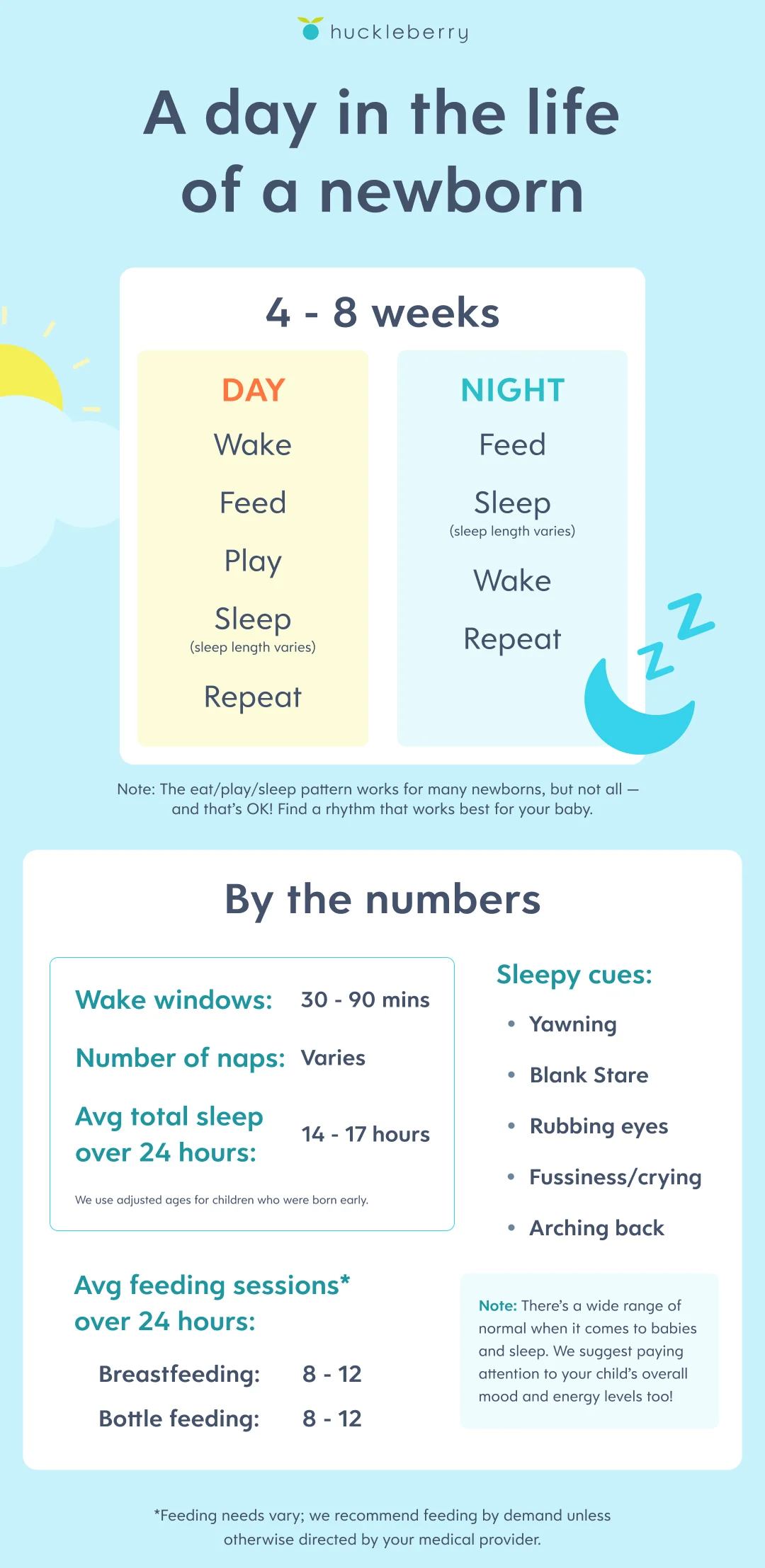
Most newborns sleep for about 14 to 17 hours in a 24-hour period, though normal ranges vary. Sleep often comes in short periods of two to four hours because a small stomach requires frequent feeds.
It is helpful to remember these facts:
• Newborn sleep is spread across day and night.
• Frequent waking is expected, especially during the first weeks.
• A newborn may sleep more during the day than at night.
• Hunger, growth, gas, reflux, illness, and overstimulation can affect sleep.
• A regular adult-like schedule is not expected in the early newborn stage.
Newborn day-night pattern development does not mean a baby will sleep through the night soon. It means the baby is slowly building a predictable rhythm.

Why Newborns Often Mix Up Day and Night
A baby may sleep for long periods during the day and wake often at night. This pattern can feel frustrating, but it usually reflects normal biology rather than a parenting mistake.
Newborns have small stomachs. Breast milk and formula digest quickly, so babies need regular feeds around the clock. Many babies also wake because they need a diaper change, comfort, burping, or help settling back to sleep.
Their circadian rhythm is another major reason. Adults have a strong body clock that reacts to light and darkness. Newborn day-night pattern development takes time because the brain systems that control this rhythm are not fully mature at birth.
Other factors may include:
• A late afternoon nap that lasts too long.
• Bright lights or loud sounds at night.
• Too much activity before bedtime.
• Difficulty transferring from a caregiver’s arms to the bassinet.
• Normal periods of rapid growth.
• Day-night confusion after a stressful birth or hospital stay.
One lesson I often share with new parents is that a baby who sleeps during the day is not being stubborn. The baby is following an immature rhythm. The goal is not to force sleep but to give the body clock clear, gentle signals.

When Does a Newborn Start to Recognize Day and Night?
Many babies show early signs of day-night pattern development between 6 and 12 weeks. Some begin earlier, while others take longer. premature babies may develop a clear rhythm later because their nervous systems are still maturing.
At first, the changes may be small. Your baby may have one longer sleep period at night, wake a little less often, or stay awake for longer periods during the day.
By about 3 to 4 months, many babies have a more noticeable sleep pattern. However, development varies widely. A baby may improve for a few nights and then wake more often during a growth spurt, illness, or developmental change.
Look for gradual signs such as:
• More alert time during daylight hours.
• A longer first sleep period at night.
• Shorter and less frequent daytime naps.
• More predictable feeding times.
• Easier settling after nighttime feeds.
Newborn day-night pattern development is not a straight line. Think of it as a sunrise that becomes brighter little by little, not a light switch that turns on at one exact age.

How Light Shapes a Baby’s Body Clock
Light is one of the strongest signals for circadian rhythm development. Morning and daytime light help the brain understand that it is time to be awake. Darkness supports the release of melatonin, a hormone linked with sleep.
You do not need special lamps or expensive sleep products. Simple household habits can help:
• Open curtains during the day.
• Spend a few minutes outside with your baby when weather and health allow.
• Keep daytime rooms softly bright.
• Use a low, warm light during nighttime care.
• Avoid turning on bright overhead lights during feeds.
• Keep screens away from the baby’s sleep area.
Daylight should never shine directly into a baby’s eyes. Outdoor time should also follow safe temperature and sun protection practices.
In my experience, parents often focus on making the nursery completely dark during the day. That can be useful for naps later, but a very dark home all day may remove an important daytime cue. A bright, calm morning often supports newborn day-night pattern development better than trying to control every nap.

Practical Ways to Support Newborn Day-Night Pattern Development
You cannot make a newborn follow a strict schedule, but you can create clear and repeated signals. Consistency helps the baby’s nervous system learn what usually happens next.
Make daytime feel different
During the day, allow normal household sounds. Talk to your baby, open the curtains, and offer feeds in a well-lit room. Short periods of supervised interaction can help your baby build healthy wake time.
Do not keep your baby awake for long periods to “save sleep” for nighttime. Overtired babies may cry more and sleep less. Newborn wake windows are often only 30 to 60 minutes, though some babies can stay awake a little longer.
Keep nighttime quiet and boring
At night, use a calm voice and dim light. Feed your baby, burp them, change the diaper when needed, and return them to the sleep space.
Avoid play, loud conversation, and unnecessary stimulation. A boring night is a helpful night for newborn day-night pattern development.
Follow a flexible evening routine
A simple routine might include:
-
Lower the lights.
-
Offer a feed.
-
Change the diaper if needed.
-
Use a quiet song or short cuddle.
-
Place the baby on their back in the sleep space.
The routine does not need to last 30 minutes. Newborns benefit from repeated cues, not complicated steps.
Respond to hunger
In the early weeks, feeding comes before sleep training. Wake your baby for feeds if your pediatrician or lactation professional recommends it, especially if the baby has not regained birth weight or has feeding concerns.
Once weight gain is established, ask your child’s clinician when it is safe to allow longer sleep periods. Never reduce feeds simply to create a schedule.
Safe Sleep During Day and Night
Healthy newborn day-night pattern development must always support safe sleep. The American Academy of Pediatrics recommends placing babies on their backs for every sleep, including naps.
Use a firm, flat sleep surface with a fitted sheet. Keep the sleep area free of pillows, blankets, bumpers, stuffed animals, and positioners.
Important safe sleep steps include:
• Place your baby on their back for every sleep.
• Use a crib, bassinet, or portable play yard that meets current safety standards.
• Keep the baby’s sleep space in your room, but not in your bed.
• Avoid smoke, alcohol, sedating medicines, and illegal drugs around the baby.
• Stop swaddling when the baby shows signs of rolling.
• Never use weighted sleep sacks or weighted swaddles.
• Avoid sleeping with the baby on a couch or recliner.
Room-sharing can make nighttime feeding easier and may reduce sleep-related risks. Bed-sharing has added dangers, even when a parent intends to stay awake.
A sleeping baby may look peaceful in a car seat, swing, or stroller. These products are not designed for routine sleep. Move the baby to a firm, flat sleep surface as soon as practical.

Common Mistakes That Can Disrupt the Pattern
Many tired parents try reasonable ideas that accidentally make newborn sleep harder. Small changes can help without creating guilt.
Keeping the baby awake during the day
This often leads to overtiredness. An overtired newborn may cry, arch, wake quickly, or resist settling.
Making nighttime too exciting
Bright lights, phone use, long conversations, and playful interaction can send a daytime message at 2 a.m.
Expecting a strict schedule
Newborn feeding and sleep needs change from day to day. A flexible rhythm is safer and more realistic than a clock-based plan.
Using unsafe sleep products
Nests, loungers, inclined sleepers, and soft surfaces may look comfortable but can increase the risk of airway blockage or suffocation.
Ignoring feeding concerns
Poor feeding, fewer wet diapers, or unusual sleepiness should not be treated as normal day-night confusion. Contact a pediatric clinician when feeding or hydration seems off.
A mistake I see often is changing the entire routine after one difficult night. Newborn day-night pattern development needs repeated cues over many days. Look for trends, not perfection.
Feeding, Growth, and Newborn Sleep
Feeding and sleep are closely linked in the newborn period. A hungry baby will usually wake, and frequent feeding can be a sign of normal growth.
Breastfed newborns often feed 8 to 12 times in 24 hours, though patterns differ. Formula-fed babies also need regular feeds, with amounts guided by hunger cues and medical advice.
Signs that may suggest your baby is feeding well include:
• Regular wet diapers that increase during the first days.
• Stools that change as expected after birth.
• Periods of alertness.
• A good latch or comfortable bottle feeding.
• Weight gain that follows the clinician’s plan.
Do not judge health by sleep length alone. A baby who sleeps for a long time but feeds poorly may need prompt assessment. Likewise, a baby who wakes often may still be healthy and growing well.
Your pediatrician, family doctor, midwife, or lactation consultant can help you connect feeding patterns with sleep. This support is especially important for premature babies or babies with jaundice, low weight gain, tongue-tie concerns, or medical conditions.
When to Call a Pediatrician
Some sleep changes are normal. Others can point to illness or feeding trouble. Seek medical advice if your baby is difficult to wake, feeds much less than usual, has fewer wet diapers, or seems unusually weak.
Get urgent help if your newborn has trouble breathing, turns blue or gray, has a seizure, or has a rectal temperature of 100.4°F (38°C) or higher. Fever in a baby younger than 3 months needs prompt medical evaluation.
Contact a clinician if:
• Your baby does not wake for feeds as expected.
• Your baby repeatedly vomits green fluid or blood.
• Your baby has signs of dehydration.
• Your baby cries intensely and cannot be comforted.
• Your baby snores loudly or pauses while breathing.
• Your baby’s skin or eyes appear increasingly yellow.
• You are worried that something feels different.
Parents know their babies best. It is appropriate to call for guidance, even when the concern later turns out to be harmless. Newborn day-night pattern development should never be used to dismiss clear signs of illness.
A Gentle Sample Day-and-Night Rhythm
This example is a guide, not a schedule. Your baby may feed, sleep, and wake at different times.
During the day
• Use natural light in the home.
• Feed when your baby shows hunger cues.
• Talk softly and offer short periods of interaction.
• Let ordinary household sounds continue.
• Watch for sleepy signs before your baby becomes overtired.
During the night
• Keep lights low.
• Feed and burp without play.
• Change the diaper if it is dirty or if a change is needed for feeding.
• Use a calm voice.
• Return your baby to a safe sleep space.
This pattern gives the baby repeated information. It does not guarantee uninterrupted sleep. The purpose is to support newborn day-night pattern development while respecting normal newborn needs.
Frequently Asked Questions About Newborn Day-Night Pattern Development
How long does newborn day-night pattern development take?
Many babies begin to show a clearer day-night rhythm between 6 and 12 weeks. Some take longer, especially if they were premature or have feeding or medical concerns.
Is it normal for a newborn to sleep all day and wake all night?
Yes, this can happen during the first weeks because a newborn’s circadian rhythm is still developing. Use daylight and gentle daytime activity, while keeping nighttime care quiet and dim.
Should I wake my newborn during the day?
Ask your pediatrician, especially if your baby has not regained birth weight, was premature, or has feeding concerns. Some babies need scheduled feeds, while others may safely sleep longer after healthy weight gain is established.
Can I sleep-train a newborn?
Most newborns are not ready for formal sleep training because they need frequent feeds and help with calming. Focus on safe sleep, responsive feeding, light exposure, and a simple routine instead.
What is the best way to fix day-night confusion?
Expose your baby to normal daylight and activity during the day. At night, keep feeds quiet, lights low, and stimulation limited; improvement usually comes gradually rather than in one night.
When should I worry about my newborn’s sleep pattern?
Call a clinician if your baby is unusually hard to wake, feeds poorly, has fewer wet diapers, has breathing problems, or has a temperature of 100.4°F (38°C) or higher. Sleep changes with other symptoms deserve medical attention.
Conclusion
Newborn day-night pattern development is a slow learning process shaped by light, feeding, sleep pressure, and a maturing body clock. Frequent waking is normal, and most babies need time before they develop a more predictable nighttime sleep period.
Support your baby with daytime light, calm nighttime care, responsive feeding, and a safe sleep space. Keep expectations flexible, watch for health concerns, and remember that progress often comes in small steps. For more trusted newborn care guidance, speak with your pediatric clinician and explore evidence-based sleep resources.