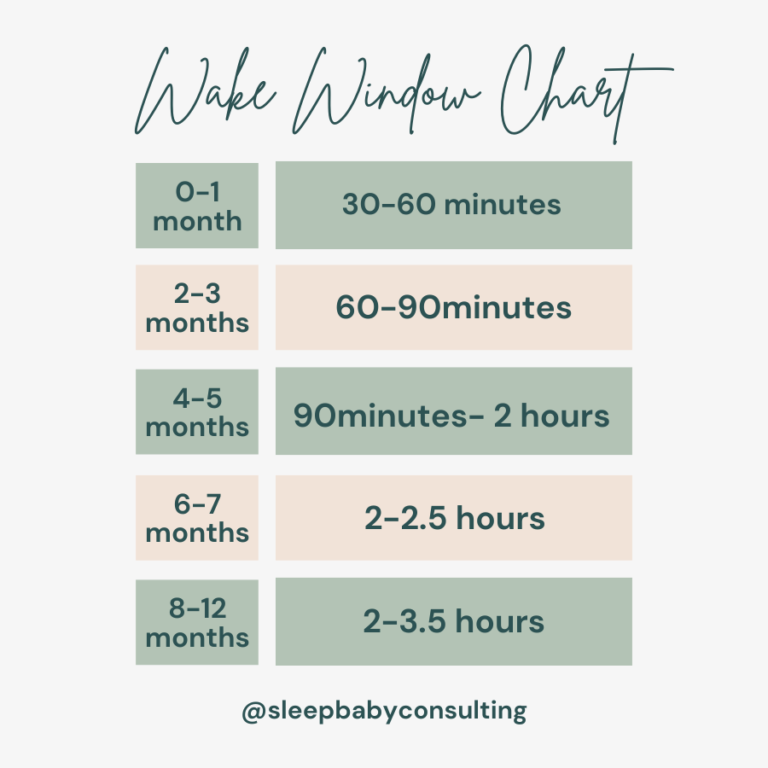
Newborn circadian rhythm development starts gradually, with day and night patterns becoming clearer during the first three months.
Newborn circadian rhythm development can feel confusing because babies sleep in short bursts, wake often to feed, and do not follow an adult sleep schedule. As a child health writer, I know that understanding the body clock makes those early weeks feel less like a guessing game. This guide explains what shapes a newborn’s sleep rhythm, what parents can do safely, and when to seek help.
What Is Newborn Circadian Rhythm Development?
Newborn circadian rhythm development is the gradual growth of a baby’s internal 24-hour body clock. This clock helps control sleep, wake time, body temperature, digestion, and hormone release.
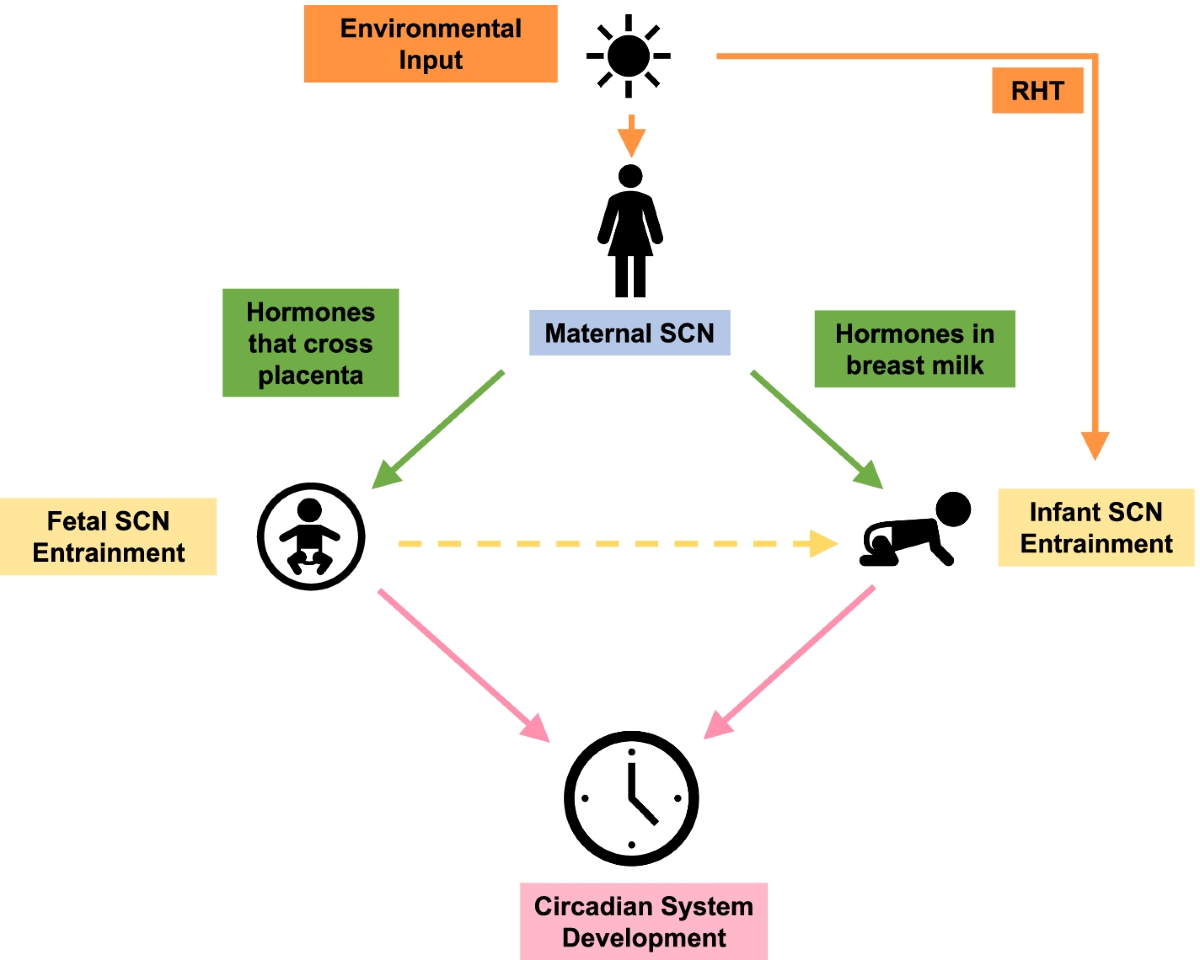
Before birth, a baby receives some timing signals from the pregnant parent. These signals include light, movement, feeding patterns, and hormones. After birth, the baby must slowly learn to link light with daytime and darkness with nighttime.
A newborn does not arrive with a fully working day-night rhythm. Instead, sleep is spread across the full day. This pattern is normal because a newborn stomach is small and breast milk or formula is digested quickly.
The sleep hormone melatonin also plays a key role. Melatonin helps the body prepare for sleep, but newborns have low and uneven melatonin production at first. Their sleep system is still under construction, much like a clock that needs time before its hands move smoothly.

When Does a Newborn Develop a Circadian Rhythm?
Most babies begin to show early day-night signals between 6 and 12 weeks of age. Some babies show changes sooner, while others need more time. Premature babies may develop these patterns later because their nervous systems are less mature at birth.
Newborn circadian rhythm development often follows this general timeline:
- Birth to 6 weeks: Sleep may occur in short periods throughout the day and night. Frequent waking for feeds is expected.
- 6 to 12 weeks: Babies may begin sleeping longer at night and staying awake for slightly longer periods during the day.
- 3 to 4 months: Many babies show a clearer sleep-wake pattern. Their sleep cycles also become more organized.
- 4 to 6 months: Some babies settle into more predictable naps and nighttime sleep, though waking can still happen.
- After 6 months: Sleep may become more stable, but teething, illness, growth, travel, and new skills can cause changes.
These are averages, not strict rules. A healthy baby may sleep very differently from another healthy baby of the same age.
Research on infant sleep shows that biological rhythms mature over time. Light exposure, feeding, caregiver interaction, and brain development all help shape this process. Still, no routine can force a newborn’s body clock to mature before it is ready.
Why Newborns Wake So Often
Frequent waking is one of the hardest parts of early parenthood. It can feel as if your baby has no sleep pattern at all. In most cases, frequent waking reflects normal newborn biology rather than a sleep problem.
Common reasons include:
- Hunger: Newborns need regular feeds, including overnight feeds.
- Small stomach size: Babies cannot store enough milk to sleep for long stretches.
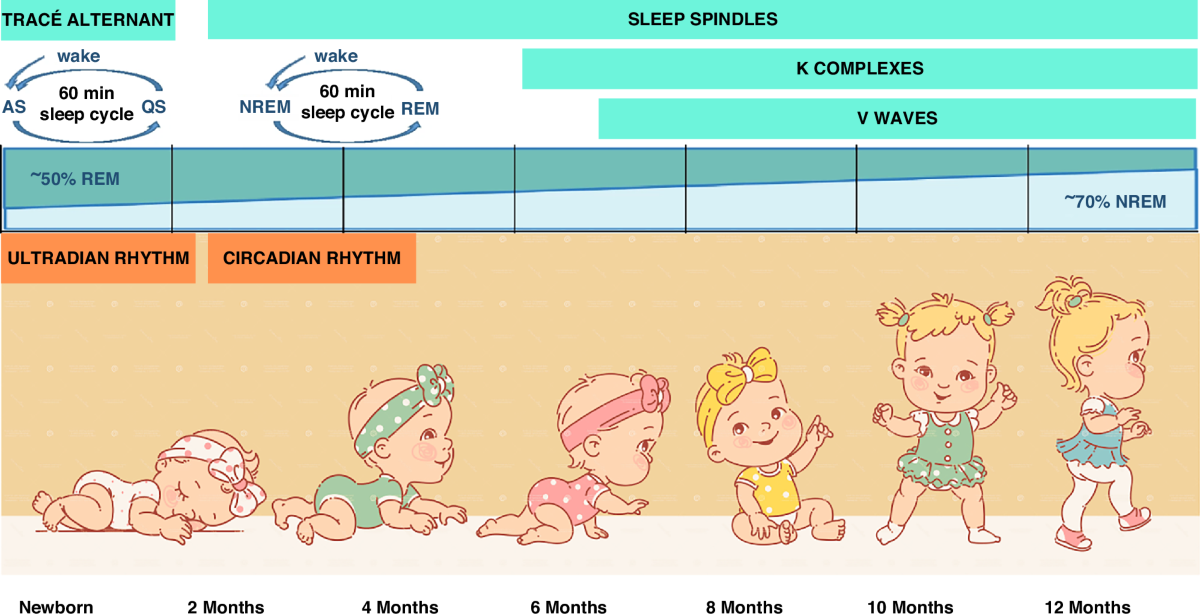
- Short sleep cycles: Newborn sleep cycles may last about 40 to 60 minutes.
- immature brain development: The brain is still learning how to connect sleep cycles.
- Need for comfort: Touch, warmth, and a familiar voice help babies feel safe.
- Wet or dirty diapers: Discomfort may wake a baby.
- Gas or reflux symptoms: Digestive discomfort can interrupt sleep.
- Growth spurts: Babies may wake more often during periods of rapid growth.
Newborn circadian rhythm development does not mean a baby should sleep through the night. In fact, long stretches without feeding may be unsafe for some young babies. Follow your pediatrician’s advice about feeding frequency and waking your baby.
One lesson I often share with new parents is this: do not judge your baby’s sleep by one night. Look for patterns over several days. A difficult night may follow a busy day, a growth spurt, or a cluster of feeds.

Signs a Baby’s Body Clock Is Maturing
Parents often notice small changes before they see a full sleep schedule. These signs suggest that newborn circadian rhythm development is moving forward:
- Your baby has longer alert periods during the day.
- Your baby feeds more often during daylight hours.
- Night sleep includes one slightly longer stretch.
- Your baby seems calmer and more alert in the morning.
- Your baby becomes sleepy after a repeated bedtime routine.
- Your baby responds differently to bright light and dim light.
- Your baby has a more regular pattern of naps and feeds.
These signs do not need to appear every day. Development is not a straight line. A baby may sleep well for two nights and then wake more often the next night.
Parents sometimes worry when their baby is wide awake at 2 a.m. Yet one alert period does not mean the body clock is “broken.” It may simply show that the rhythm is still developing.
Track sleep in a simple way if it helps you. Write down feeds, naps, bedtime, and waking times for three to five days. Avoid turning the log into a test. Its purpose is to help you notice trends and discuss concerns with a health professional.

How Light Helps Shape Newborn Circadian Rhythm Development
Light is one of the strongest signals for the human body clock. Morning and daytime light help the brain understand that it is time to be alert. Darkness helps support melatonin release and nighttime sleep.
Try these gentle habits:
- Open curtains during the day.
- Spend time near natural daylight, while keeping your baby out of direct sun.
- Keep daytime rooms bright and active.
- Use soft, dim light for overnight feeds.
- Avoid bright screens and strong overhead lights at night.
- Return the room to darkness after nighttime care.
These steps do not guarantee longer sleep. They simply give the brain clear time signals. Think of light as a daily message that says, “This is daytime,” or “This is time to rest.”
Never place a newborn in direct sunlight to improve sleep. Young babies can overheat and sunburn quickly. Use shade, protective clothing, and safe outdoor practices based on medical guidance.
Light exposure should also fit safe sleep needs. Your baby should sleep on a firm, flat surface in a safe space, even if the room is dark. Do not cover a crib with blankets or use products that block airflow.

Feeding and the Newborn Body Clock
Feeding patterns are closely linked with newborn circadian rhythm development. In the early weeks, feeding is usually more important than creating a strict sleep routine.
During the day, offer feeds as advised by your pediatrician. Keep the room light and interact gently with your baby. At night, keep feeds calm and quiet, with low light and minimal play.
This approach helps your baby notice a simple difference:
- Daytime means light, feeds, voices, and normal activity.
- Nighttime means quiet care, dim light, and a return to sleep.
Breastfed babies may feed often because breast milk changes during the day and is quickly digested. Formula-fed babies may also wake often, and feeding frequency can vary from baby to baby. Neither feeding method guarantees a faster sleep rhythm.
Do not add cereal to a bottle or start solid foods early to make a baby sleep longer. These practices can create choking risks and may not improve sleep. Discuss feeding changes with your child’s health care provider.
If your baby is hard to wake for feeds, has fewer wet diapers, vomits repeatedly, or is not gaining weight, contact a pediatric professional promptly.

Safe Ways to Support Circadian Rhythm Development
You can support newborn circadian rhythm development without sleep training a very young baby. The goal is not to control every nap. The goal is to offer steady, safe signals.
Try this simple plan:
- Begin the morning with daylight and a calm feed.
- Keep daytime interactions bright, gentle, and normal.
- Watch for early sleepy signs, such as yawning, staring, or reduced movement.
- Place your baby down before extreme overtiredness when possible.
- Use a short bedtime pattern, such as feeding, diapering, swaddling if appropriate, and quiet singing.
- Keep nighttime care brief and boring.
- Repeat the same general pattern each day.
- Allow flexibility when your baby is hungry, ill, or unsettled.
A bedtime routine can be only 10 to 20 minutes. It does not need to include a bath every night. A simple routine works well for many families.
In my experience helping parents think through infant sleep, the most common mistake is trying to change too many things at once. Choose one or two habits, such as morning light and dim nighttime feeds. Give them several days before deciding whether they help.
Safe Sleep and Newborn Sleep Rhythms
A developing body clock must never take priority over safe sleep. The American Academy of Pediatrics recommends placing babies on their backs for every sleep, on a firm, flat, noninclined surface.
Keep the sleep area free of loose items. The crib, bassinet, or play yard should not contain pillows, blankets, bumper pads, stuffed toys, or sleep positioners.
Important safe sleep practices include:
- Place your baby on the back for naps and nighttime sleep.
- Use a firm mattress with a fitted sheet.
- Keep the baby’s sleep space in your room, but not in your bed.
- Avoid smoke, vaping, alcohol, and sedating drugs around the baby.
- Do not use weighted swaddles or weighted sleep products.
- Stop swaddling when your baby shows signs of rolling.
- Keep the baby comfortably dressed to avoid overheating.
Room sharing can lower the risk of sleep-related death while making nighttime feeding easier. Bed sharing carries added risks, especially for young infants.
Newborn circadian rhythm development may improve with darkness, but never use unsafe coverings, nests, pods, or positioners to create a darker sleep space. Safe sleep rules apply during every stage of the body clock’s development.
Common Challenges During Circadian Rhythm Development
Some newborn sleep patterns are frustrating but common. Knowing what is normal can reduce worry and help you choose a reasonable response.
Day-night confusion
A baby may sleep for long periods during the day and become alert at night. This often improves with daytime light, regular feeds, and quiet nighttime care.
Evening fussiness
Many newborns have a fussy period in the late afternoon or evening. This may relate to tiredness, overstimulation, hunger, or normal nervous system development.
Contact sleep
Some babies sleep well when held but wake when placed in the crib. This happens because a parent’s warmth, smell, and movement feel comforting. Practice placing the baby down when calm, but always move to a safe sleep surface.
Short naps
Short naps are common because newborn sleep cycles are brief. A short nap does not always mean your baby is overtired or unhealthy.
Frequent night feeds
Night feeds support growth and nutrition. Do not try to remove them without guidance from your pediatrician, especially during the first months.
Newborn circadian rhythm development can also be affected by travel, illness, visitors, noise, and changes in caregiving. Aim for a steady pattern, not perfect control.
Mistakes to Avoid
Parents often receive conflicting sleep advice online. Some suggestions may sound practical but can be unsafe or unrealistic.
Avoid these common mistakes:
- Expecting a newborn to follow a fixed schedule.
- Keeping a baby awake all day to encourage nighttime sleep.
- Using food to make a baby sleep longer.
- Ignoring hunger cues because it is “not feeding time.”
- Using bright lights during every nighttime waking.
- Comparing your baby with a friend’s or relative’s baby.
- Starting formal sleep training without age-appropriate guidance.
- Using unsafe products promoted as sleep solutions.
- Treating normal waking as a failure.
Keeping a baby awake for too long can lead to overtiredness. An overtired baby may cry more, settle poorly, and wake often. More awake time does not always create more nighttime sleep.
The best plan is usually gentle and repeatable. Babies learn through many small signals, not one perfect bedtime routine.
When to Call a Pediatrician
Newborn circadian rhythm development varies, but some symptoms need medical attention. Contact your pediatrician if your baby is difficult to wake, feeds poorly, has breathing problems, or has noticeably fewer wet diapers.
Seek urgent care for signs such as:
- Blue, gray, or pale skin
- Severe breathing difficulty
- A rectal temperature of 100.4°F (38°C) or higher in a baby younger than 3 months
- Extreme weakness or unusual limpness
- Repeated vomiting
- Signs of dehydration
- A baby who cannot be comforted and seems seriously unwell
Also discuss sleep concerns if your baby snores loudly, pauses breathing, sweats heavily during sleep, or has poor weight gain. These signs do not always indicate a serious problem, but they deserve professional review.
A pediatrician can also help if feeding demands, reflux symptoms, postpartum depression, or parental exhaustion are affecting the family. Sleep loss can harm caregiver health, and asking for help is a responsible step.
Newborn Circadian Rhythm Development: Practical Daily Example
Here is an example of a flexible day. It is not a schedule that every baby should follow.
Morning may include natural light, a feed, a diaper change, and quiet interaction. Your baby may then nap when sleepy. During the afternoon, continue normal light and household sounds while responding to hunger and tiredness.
In the evening, lower the lights and reduce stimulation. Use the same short routine before sleep. If your baby wakes overnight, feed and comfort as needed, then return the room to a quiet, dim setting.
This example supports newborn circadian rhythm development without ignoring normal newborn needs. It also gives caregivers a clear plan when every day feels different.
The routine may change during growth spurts. That does not mean the routine failed. It means your baby’s needs changed for a while.
Frequently Asked Questions About Newborn Circadian Rhythm Development
When does a newborn start to develop a circadian rhythm?
Many babies begin showing early day-night patterns between 6 and 12 weeks. The timing varies, and premature babies may take longer.
How can I help my newborn learn day and night?
Use bright natural light and normal activity during the day. Keep nighttime feeds quiet, dim, and brief while following safe sleep practices.
Should I wake my newborn during the day?
Sometimes, but only as advised by your pediatrician. Young babies may need regular feeds for growth, so do not limit daytime sleep without medical guidance.
Is it normal for a newborn to sleep during the day and stay awake at night?
Yes, this is common during the first weeks. A baby’s internal clock is still developing, and regular light exposure can help shape the pattern over time.
Does keeping a newborn awake longer help nighttime sleep?
Usually not. Overtired babies may cry more and have trouble settling, so it is better to respond to early sleepy cues.
When will my newborn sleep through the night?
There is no single age, and many babies continue waking for feeds beyond the first few months. Longer sleep periods often develop gradually rather than all at once.
Can a bedtime routine improve newborn sleep?
A short, calm routine may help your baby recognize that nighttime is approaching. It cannot force sleep, but repetition can provide useful signals as the body clock matures.
Is it safe to use melatonin for a newborn?
Do not give melatonin to a newborn unless a qualified medical professional specifically recommends it. Supplements can have risks, and newborn sleep rhythms usually mature naturally.
What if my newborn has no clear sleep pattern?
An unpredictable pattern is common early in life. Track basic sleep and feeding trends, use consistent day and night cues, and speak with your pediatrician if you notice health or feeding concerns.
Conclusion
Newborn circadian rhythm development is a gradual process shaped by brain maturity, light, feeding, comfort, and daily care. Most newborns wake often because they need frequent nutrition and have short sleep cycles. A clear day-night rhythm usually becomes easier to see during the first three months, but each baby follows a different pace.
Support your baby with morning light, calm daytime activity, quiet nighttime care, and a safe sleep space. Focus on steady signals rather than a strict schedule, and ask your pediatrician about feeding, growth, or unusual sleep concerns.
Use these ideas as a gentle starting point, then adjust them to your baby’s needs. Explore trusted infant sleep resources, share your experience in the comments, and seek professional guidance when you need it.