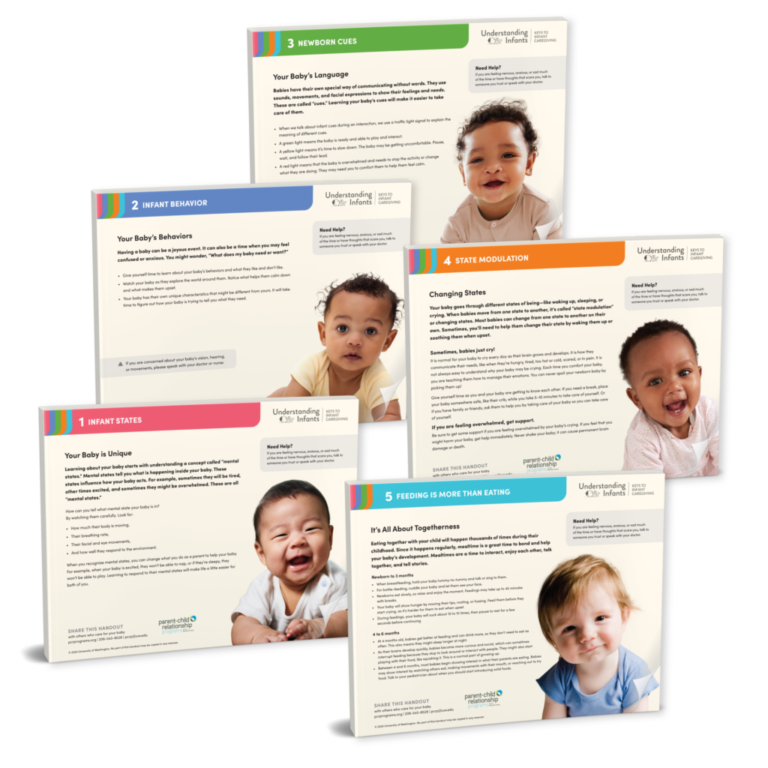
A deep latch lets your newborn draw milk with less pain, better transfer, and safer feeding.
Newborn latch mechanics describe how a baby uses the lips, tongue, jaw, cheeks, and breathing pattern to attach to the breast and remove milk. Understanding this process can turn feeding from a stressful guessing game into a skill you can watch, adjust, and practice with confidence.

What newborn latch mechanics mean
A latch is more than a baby’s mouth touching the nipple. It is a coordinated action in which the baby takes in the nipple and a good amount of the areola, the darker skin around it.
Good newborn latch mechanics help the baby:
- Keep the nipple deep in the mouth
- Use the tongue to compress the breast
- Create gentle suction
- Move milk from the breast
- Breathe while feeding
- Protect the nipple from rubbing and pinching
Think of the breast as a soft straw and the baby’s mouth as a small pump. The tongue and jaw work together to create a smooth wave of pressure. This motion helps milk flow without relying on hard biting or strong suction.
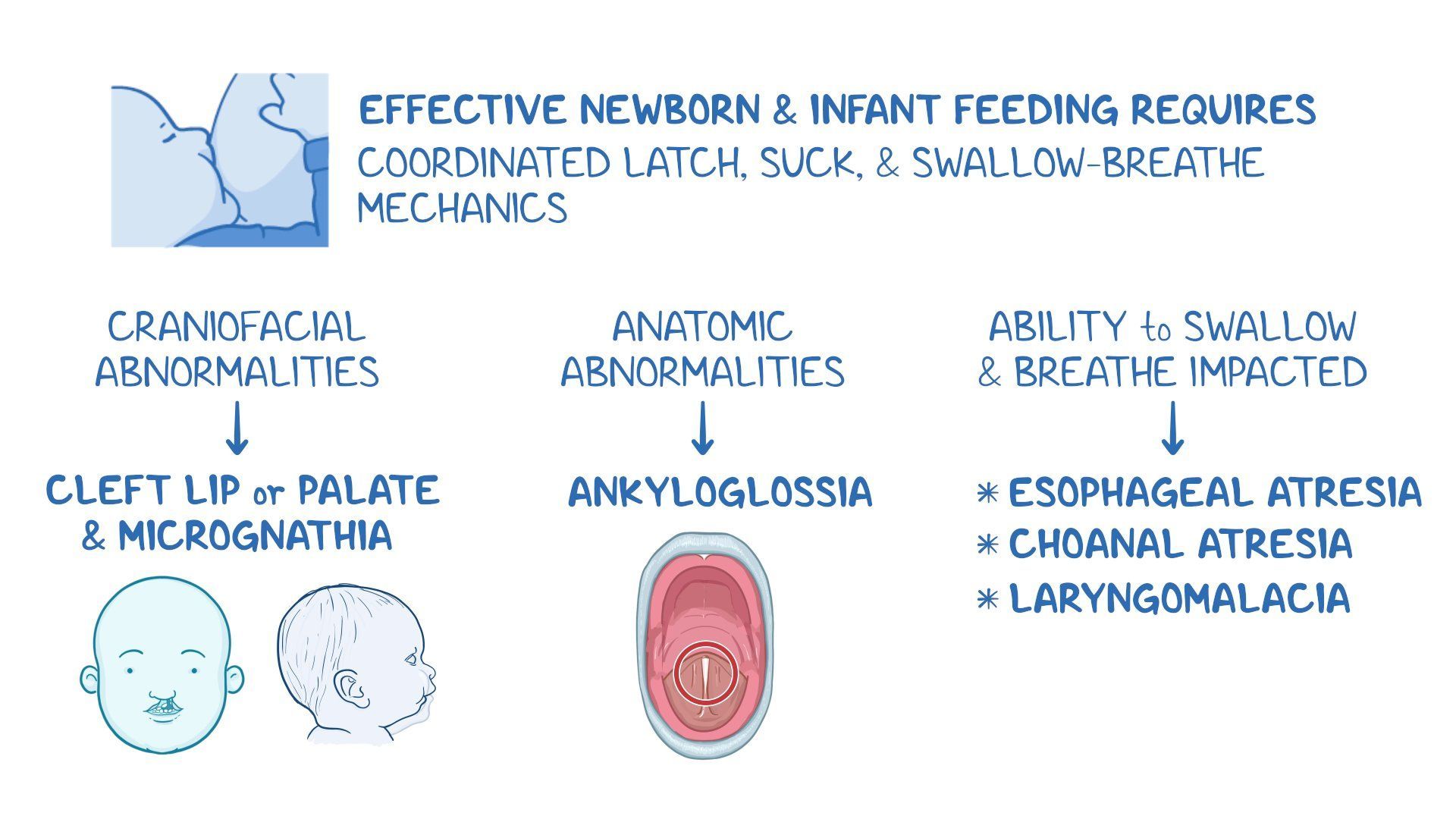
Every newborn has a different mouth, tongue shape, muscle tone, and feeding rhythm. Premature babies may have less stamina. Babies with a tongue restriction, a small jaw, or facial differences may need extra support. These differences do not mean breastfeeding will fail, but they may change the plan.
Newborn latch mechanics also change during a feed. A baby may begin with quick sucks to start milk flow. Once milk releases, the sucking often becomes slower and deeper. You may see pauses, swallows, and relaxed hands.

How a newborn creates a deep latch
A deep latch begins before the baby closes the mouth. Positioning, timing, and body support all affect the final attachment.
The approach
Bring the baby toward the breast, rather than leaning your breast toward the baby. The baby’s chest and stomach should face your body. The ear, shoulder, and hip should stay in a fairly straight line.
The baby’s nose should be near the nipple. This position allows the nipple to point toward the roof of the mouth when the baby opens wide.
The wide mouth
Touch the nipple lightly to the baby’s upper lip. Wait for a wide opening, like a yawn. Then bring the baby quickly and gently toward the breast.
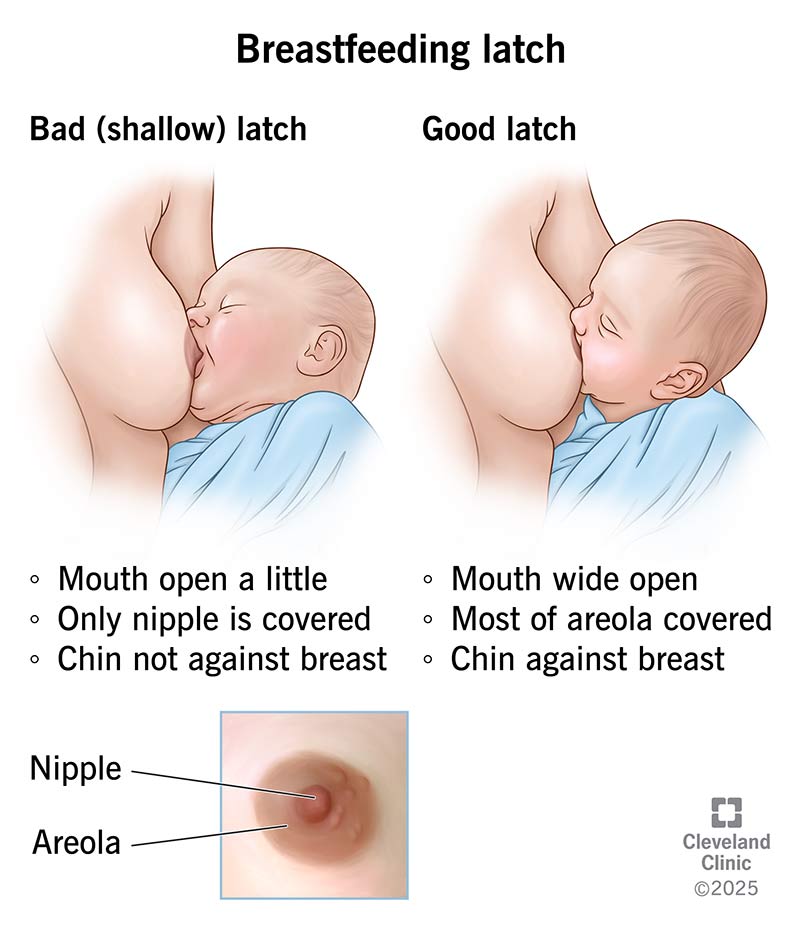
A narrow mouth often leads to a shallow latch. A wide mouth allows the baby to take in more breast tissue. This is one of the most important parts of newborn latch mechanics.
The chin-first contact
Many babies latch best when the chin touches the breast first. The nipple then moves up and back into the mouth. This helps the nipple reach the soft palate, where it is less likely to be compressed.
The lower lip and tongue should take in more breast tissue than the upper lip. You may see more areola above the upper lip than below the lower lip. This visual sign is common, but it is not a strict rule for every breast shape.
The tongue and jaw
The tongue cups the breast and moves in a wave from the front toward the back. The jaw drops and rises in a slow pattern. The cheeks should look rounded, not deeply dimpled.
A baby who bites down, clicks often, or makes repeated shallow sucks may not be using efficient newborn latch mechanics. One brief click does not always signal a problem, but frequent clicking may mean the seal is breaking.
Signs of a good newborn latch
A good latch should look calm and feel comfortable after the first few seconds. Some tenderness can occur in the early days, but sharp, pinching pain is a sign to reassess the attachment.
Look for these signs:
- The baby’s mouth is wide open
- The lips are turned outward
- The chin touches the breast
- The nose is free or lightly touching the breast
- The cheeks stay rounded
- The tongue remains under the breast
- Sucking changes from quick to slow and deep
- You hear or see regular swallowing
- The breast feels softer after feeding
- The nipple looks mostly round after release
- The baby appears relaxed after feeding
A baby does not need to make loud swallowing sounds at every feed. Early colostrum comes in small amounts, and swallowing may be quiet. As milk volume increases, swallowing often becomes easier to hear.
Pain is useful information. If the nipple feels pinched, lipstick-shaped, cracked, or rubbed after feeding, the latch may be too shallow. Break the suction with a clean finger in the corner of the baby’s mouth, then try again.
Wet and dirty diapers also help show whether milk transfer is improving. Diaper patterns vary by age, so use guidance from your pediatrician or lactation professional. Poor output, extreme sleepiness, or signs of dehydration need prompt medical attention.
Step-by-step guide to improve latch
Small changes can improve newborn latch mechanics. Try to adjust one factor at a time so you can see what helps.
- Choose a supported position
Sit or lie in a way that keeps your shoulders relaxed. Use pillows under your arms if needed. The baby should come to breast height, so you do not need to bend forward.
- Align the baby’s body
Keep the baby’s chest against your chest. Turn the baby’s whole body toward you. Avoid twisting the head away from the body.
- Start with the nose near the nipple
This position encourages the baby to tilt the head back slightly. It also makes room for a wider mouth opening.
- Wait for a wide gape
Brush the nipple over the baby’s upper lip. Wait for a large opening. Do not push the nipple into a partly open mouth.
- Bring the baby to you
Move the baby toward the breast with steady support behind the shoulders and neck. Avoid pushing the back of the baby’s head. Babies often pull away when the head is forced forward.
- Check the depth
The nipple should sit deep in the mouth. More breast tissue should be inside the lower part of the mouth. The lips should be flanged, and the chin should remain close to the breast.
- Watch and listen
Look for deep jaw movement and regular swallowing. Listen for clicking, squeaking, or repeated smacking. These sounds may show that the seal is not stable.
- Reset when needed
If the latch hurts beyond the first few seconds, release the suction and try again. Repeating this calmly is better than enduring pain for the entire feed.
A common practical mistake is trying to fix the baby’s mouth while leaving the adult’s body unsupported. When your back, arms, and shoulders are tense, it becomes harder to keep the baby close. Comfortable positioning is part of newborn latch mechanics, not a separate issue.

Breastfeeding positions and latch depth
No single position works for every parent or baby. The best position is one that supports a deep latch, allows clear breathing, and reduces pain.
Cradle hold
The cradle hold is familiar and convenient. It may work well once the baby has stronger head control. In the first days, some parents find it harder to guide a very small newborn into a deep latch.
Cross-cradle hold
The cross-cradle hold gives more control. The hand opposite the nursing breast supports the baby’s neck and shoulders. This position can make it easier to guide the baby toward the breast.
Football hold
The football hold places the baby beside your body. It may help after a cesarean birth, with large breasts, or with twins. Use pillows to raise the baby to breast level.
Laid-back feeding
In a laid-back position, you recline and place the baby chest down on your body. The baby can use reflexes to move toward the breast. Gravity helps maintain close body contact.
Side-lying position
Side-lying can help with rest during a feed. Make sure the baby’s airway stays clear, and follow safe sleep guidance. After feeding, place the baby on the back in a separate, firm sleep space.
Position affects newborn latch mechanics because it changes the baby’s head angle, body support, and ability to stay close. If one position causes pain, another may improve the latch without changing your milk supply.

Common latch problems and what they may mean
Latch problems often have more than one cause. A baby may be hungry, tired, congested, uncomfortable, or struggling with oral movement. Avoid blaming yourself or the baby.
Shallow latch
A shallow latch means the baby holds mostly the nipple instead of taking in enough breast tissue. You may feel pinching, rubbing, or pain that worsens during the feed.
Try bringing the baby closer and waiting for a wider mouth. A reclined position may also help the baby stay deeply attached.
Nipple pain or damage
Nipple pain can result from shallow attachment, strong suction, skin irritation, or an infection. A damaged nipple may need medical care, especially if it is bleeding, swollen, or slow to heal.
Do not use pain as a test of whether breastfeeding is working. Persistent pain deserves assessment.
Clicking sounds
Clicking may occur when the baby loses suction. It can be linked to a shallow latch, fast milk flow, nasal congestion, low muscle tone, or oral restrictions.
A lactation professional should assess the whole feed before suggesting treatment. Clicking alone cannot diagnose a tongue tie.
The baby keeps slipping off
A baby may slip off because the breast is very full, the nipple is difficult to grasp, or the baby lacks stamina. Hand expression can soften the area around the nipple. A brief pause can also help a tired baby regroup.
Very long feeds
Long feeds do not always mean poor transfer. Some newborns feed slowly, especially in the early days. However, long feeds with little swallowing, poor diaper output, or weak weight gain should be checked.
Fast milk flow
A forceful letdown may cause coughing, gulping, pulling off, or fussiness. Try a laid-back position, allow brief pauses, and keep the baby close. Expressing a small amount before latching may help some parents, but excessive pumping can increase oversupply.

Newborn latch mechanics and milk transfer
Milk transfer depends on more than suction. The baby must maintain a seal, coordinate sucking with swallowing, and breathe safely.
Early in a feed, the baby may use short, light sucks. These help stimulate milk release. After milk begins to flow, the pattern often changes to deeper sucks with pauses.
You may notice:
- A slow movement near the temple
- A drop in the baby’s jaw
- A brief pause after several sucks
- A soft swallowing sound
- Relaxed hands and shoulders
The breast may feel less full after feeding, but it may not feel completely empty. Breasts continue making milk during and between feeds. Soft breasts do not automatically mean low supply.
Weight checks are one of the best ways to assess intake. Newborns commonly lose some weight after birth, but the amount and timing matter. Your pediatrician can interpret the trend and decide whether extra support is needed.
Signs that require prompt professional advice include:
- Fewer wet diapers than expected
- Dark urine after the first few days
- A dry mouth
- Increasing yellow skin or eyes
- Weak or difficult feeding
- Extreme sleepiness
- Ongoing weight loss
- No clear swallowing during feeds
Newborn latch mechanics can look good while milk transfer remains low, so visual signs should be combined with diaper data, weight, and clinical assessment.

How anatomy and medical factors affect latch
Breast and nipple shape can affect the first attachment, but babies can often adapt with support. Flat or inverted nipples do not automatically prevent breastfeeding. Reverse pressure softening, hand expression, positioning, or a temporary aid may help.
Baby factors can also change newborn latch mechanics. These include:
- Prematurity
- Jaundice
- Low blood sugar
- Birth injuries
- Congestion
- A small or recessed jaw
- High or low muscle tone
- Oral restrictions
- Sleepiness from medication or illness
A tongue tie, also called ankyloglossia, may limit tongue movement in some babies. The appearance of the frenulum alone does not show whether treatment is needed. A trained clinician should assess tongue function, pain, milk transfer, and weight gain together.
Breast surgery, hormonal conditions, retained placenta, heavy blood loss, and some medicines may affect milk production. These issues are separate from latch, but they can overlap. A baby may latch well and still need help with supply.
This is why newborn latch mechanics should be assessed as part of the full feeding picture. A single photo or brief observation cannot answer every question.

Nipple shields, pumping, and supplementation
A nipple shield may help some babies attach to a difficult-to-grasp nipple or maintain suction. It should be fitted and monitored by a lactation professional when possible. Poor fit or unplanned long-term use may reduce stimulation or hide a transfer problem.
Pumping can protect milk production when a baby cannot feed well. Expressing after feeds may also help in selected cases. However, pumping more and more is not always the answer, especially when oversupply is already causing forceful flow or breast pain.
Supplementation may be needed when a baby has medical or intake concerns. It can be given with expressed milk, donor milk, or formula based on the family’s situation and medical advice. Supplementing is not a parenting failure; keeping the baby fed and protecting health come first.
If supplementation is used, ask how to protect milk production. Depending on the plan, this may include pumping when a feeding is replaced. The right approach varies with the baby’s weight, age, health, and feeding ability.
Mistakes to avoid during latch practice
Many families receive conflicting advice. These simple reminders can reduce stress.
- Do not force the nipple into a narrow mouth
- Do not push the back of the baby’s head
- Do not ignore ongoing pain
- Do not judge intake by breast fullness alone
- Do not diagnose a tongue tie from a picture
- Do not use a pump setting that causes pain
- Do not wait for severe dehydration before asking for help
- Do not compare your feed with another family’s feed
A useful lesson from many feeding consultations is that small changes often matter more than dramatic ones. Moving the baby one inch closer, supporting the shoulders, or waiting two more seconds for a wide gape can change the whole feed.
It is also normal to need several attempts. Newborn feeding is a learned skill for both people. Calm repetition helps more than pressure.
When to get feeding support
Ask for help early if latch pain continues, the baby cannot stay attached, or feeds feel exhausting. Early support can prevent sore nipples, low intake, and avoidable stress.
Helpful professionals may include:
- An International Board Certified Lactation Consultant
- A pediatrician
- A family physician
- A midwife
- A speech-language pathologist with infant feeding training
- An occupational therapist who works with infant feeding
Bring specific details to the visit. Note feeding times, wet and dirty diapers, pain level, clicking, pumping sessions, and any weight checks. If possible, have the professional watch a full feed rather than only examining the baby’s mouth.
Seek urgent medical care if your baby is difficult to wake, has breathing trouble, shows signs of dehydration, feeds very weakly, or has a blue color around the lips. These signs are not simply latch problems.
The American Academy of Pediatrics, the World Health Organization, the Centers for Disease Control and Prevention, and the Academy of Breastfeeding Medicine support skilled feeding assessment and prompt care when intake or health is in doubt.
Frequently Asked Questions About Newborn Latch Mechanics
What does a good newborn latch look like?
A good latch usually includes a wide-open mouth, flanged lips, rounded cheeks, and slow, deep jaw movements. You should hear or see swallowing, and the nipple should look mostly round after release.
Should breastfeeding hurt when the baby latches?
A brief tug or mild tenderness can occur at the start, especially during the early days. Sharp, pinching, burning, or lasting pain suggests that the latch or another condition needs assessment.
How do I know if my newborn is getting milk?
Look for regular swallowing, relaxed hands, and a softer breast after feeding. Wet diapers, stool changes, and weight gain provide stronger evidence than breast fullness or feeding length alone.
Why does my newborn click while breastfeeding?
Clicking often means the baby is losing the seal around the breast. A shallow latch, fast milk flow, congestion, oral muscle difficulty, or an oral restriction may contribute, so a full feeding assessment is helpful.
Can a newborn latch well with flat or inverted nipples?
Many babies can latch with flat or inverted nipples because they attach to breast tissue, not only the nipple tip. Position changes, hand expression, reverse pressure softening, or temporary tools may help.
When should I see a lactation consultant?
Contact a lactation consultant when pain continues, the baby slips off often, swallowing is limited, feeds are unusually long, or weight gain is a concern. Early support is especially useful for premature babies or babies with medical conditions.
Is a tongue tie always a problem?
No. A visible frenulum does not automatically cause feeding difficulty. Function, pain, milk transfer, and weight gain should be assessed before treatment is considered.
Conclusion
Newborn latch mechanics involve much more than getting the nipple into the baby’s mouth. A wide gape, close body alignment, deep breast attachment, active tongue movement, and regular swallowing all work together to support comfortable feeding.
Watch the baby, not just the clock. If pain continues or intake seems uncertain, release the latch and seek skilled help. Use the guidance in this article as a starting point, then work with your pediatrician or lactation professional for advice suited to your baby. Share your feeding questions with a trusted care team, and explore reliable newborn feeding resources for continued support.