Newborn swallowing coordination links sucking, swallowing, and breathing so babies can feed safely and grow.
Newborn swallowing coordination is a complex skill that develops before birth and becomes more organized during the first weeks of life. It depends on the brain, mouth, throat, lungs, and muscles working together in a smooth rhythm. This guide explains what normal feeding looks like, why problems happen, how to spot warning signs, and when to seek help from a pediatrician or feeding specialist.

What Is Newborn Swallowing Coordination?
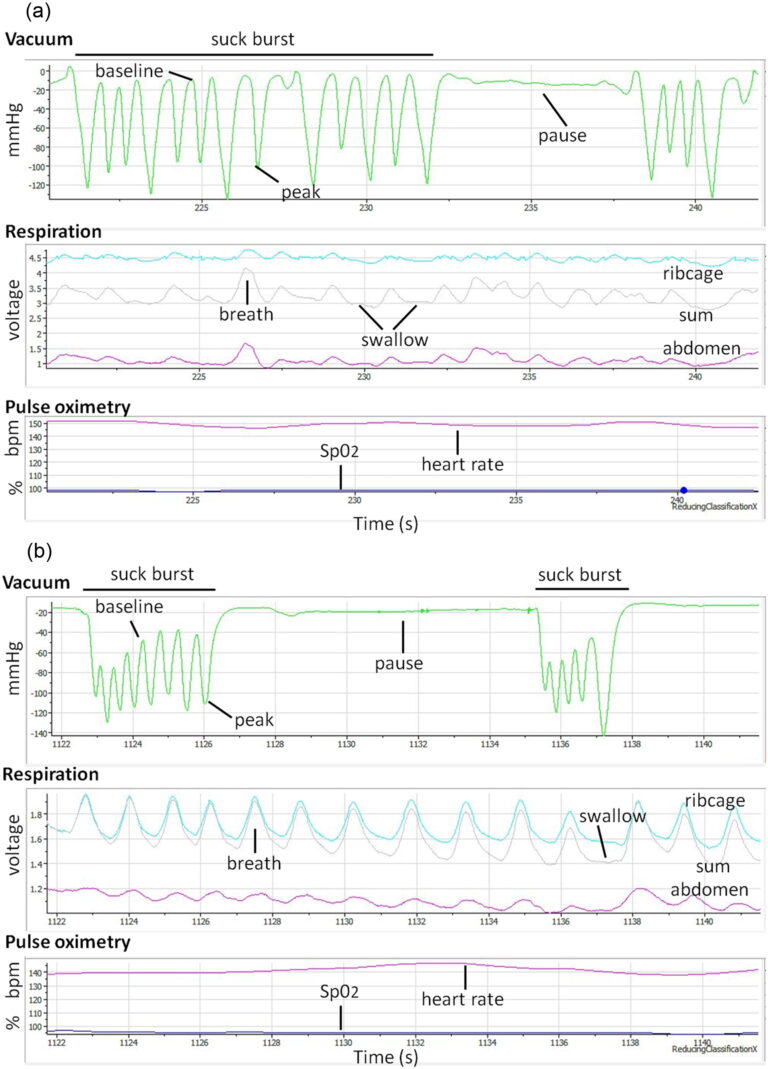
Newborn swallowing coordination is the ability to suck milk, move it safely through the mouth, swallow it, and pause to breathe. These actions must happen in the right order. Many experts describe the pattern as suck, swallow, breathe.
A healthy term newborn often shows this skill soon after birth. Still, feeding is not always smooth at first. A baby may need time to learn how to manage milk flow, especially during the first days of life.
The tongue plays a major role. It draws milk from the breast or bottle and moves it toward the throat. The soft palate helps keep milk from entering the nose, while the airway closes for a brief moment during each swallow.
Newborn swallowing coordination is not just a mouth skill. It involves:
• Brain signals that control feeding muscles
• Jaw, lip, tongue, and cheek movement
• Throat muscles that move milk toward the esophagus
• Airway protection during each swallow
• Breathing pauses that are short and well timed
Think of feeding like a small orchestra. The tongue, throat, lungs, and brain each have a part. If one section loses the beat, a baby may cough, choke, pause, or tire during a feed.

How Newborns Learn to Suck, Swallow, and Breathe
Babies begin practicing some feeding movements before birth. Ultrasound scans can show fetal sucking and swallowing movements during pregnancy. However, the skill is not always fully mature at birth.
Term babies usually have stronger oral muscles and more consistent feeding patterns. Premature babies may have weaker muscle tone, less stamina, and less mature airway control. This difference can affect newborn swallowing coordination.
During a feed, a baby may follow this basic pattern:
-
The baby latches onto the breast or nipple.
-
The tongue and jaw create suction.
-
Milk collects in the mouth.
-
The baby pauses sucking briefly.
-
The throat moves milk into the esophagus.
-
The baby resumes breathing.
Early feeds may include short pauses. These pauses are often normal when the baby remains pink, calm, and comfortable. Problems become more concerning when pauses are long, frequent, or linked with coughing, color changes, or breathing effort.
A newborn may also feed in bursts. For example, the baby may suck several times, swallow, breathe, and then rest. This pattern can change as the baby grows stronger.

Signs of Normal Newborn Swallowing Coordination
Normal feeding looks different from baby to baby. A single cough or brief pause does not always mean there is a serious problem. The full feeding pattern matters more than one isolated event.
Signs of organized newborn swallowing coordination may include:
• A deep latch without repeated slipping
• rhythmic sucking with regular pauses
• Quiet or soft swallowing sounds
• Calm breathing during most of the feed
• A relaxed face and body
• No repeated coughing or choking
• Good wet diaper output for the baby’s age
• Steady weight gain after the early newborn period
• A baby who finishes feeds without extreme exhaustion
Some babies make light clicking sounds. This may happen when the latch is shallow or the seal is weak. Clicking alone does not confirm a swallowing disorder, but it deserves attention if feeding is painful, slow, or tiring.
Parents often focus on how long a feed lasts. Time can offer clues, but it is not the best measure by itself. A 15-minute feed may be effective for one baby and too tiring for another. Weight gain, diaper output, comfort, and breathing are more useful measures.

Warning Signs of Poor Swallowing Coordination
Poor newborn swallowing coordination can make feeding unsafe or inefficient. The signs may appear at the breast, with a bottle, or with both feeding methods.
Contact your baby’s health care provider if you notice:
• Frequent coughing, gagging, or choking during feeds
• Wet, gurgly, or rattly breathing after swallowing
• Breathing that becomes fast or labored during a feed
• Repeated pauses that last longer than expected
• Blue, gray, or pale color around the lips or face
• Milk leaking from the mouth or nose often
• Extreme sleepiness before the feed is complete
• Frequent sweating, sweating on the forehead, or unusual fatigue
• Poor weight gain or fewer wet diapers
• Long feeds that regularly last more than 30 minutes
• Repeated vomiting or distress after feeding
• A strong refusal of the breast or bottle
A baby who turns blue, becomes limp, stops breathing, or cannot be awakened needs emergency care. Call 911 or your local emergency number in the United States.
Do not assume that choking always means milk went into the lungs. A cough can be a protective response. However, repeated coughing may suggest that the milk flow is too fast or that swallowing and breathing are not well matched.

Why Newborn Swallowing Coordination Problems Happen
Many factors can affect newborn swallowing coordination. Some are temporary and improve with support. Others need a detailed medical assessment.
Common causes include:
Prematurity
The suck and swallow pattern often becomes more mature around 34 to 37 weeks of gestation, though development varies. Babies born early may need tube feeding or specialized support until they can safely manage oral feeds.
Fast milk flow
A strong letdown or a bottle nipple with a fast flow can overwhelm a newborn. The baby may cough, gulp, pull away, or breathe rapidly. Slower flow and paced feeding may help, but parents should ask a professional for guidance.
Poor latch
A shallow latch can reduce milk control and increase air swallowing. It may also cause nipple pain and make the baby work harder to get milk.
Low muscle tone or weakness
Some babies have reduced muscle tone due to illness, genetic conditions, or neurologic differences. They may have trouble keeping a seal or sustaining a steady suck.
Reflux and feeding discomfort
Reflux can cause arching, crying, gagging, or feeding refusal. Reflux symptoms can overlap with swallowing problems, so a professional should assess the whole pattern.
Structural differences
A tongue-tie, cleft palate, jaw difference, or other oral condition can affect suction and milk movement. These conditions do not always cause feeding problems, but they can contribute to them.
Breathing or heart conditions
Babies with lung or heart disease may tire quickly because feeding requires both effort and controlled breathing. Their feeding plan should come from the medical team.

How Health Professionals Assess Feeding
A pediatrician may begin by asking about feeding length, milk intake, diaper output, weight, breathing, and behavior. The clinician may watch a full breast or bottle feed.
A feeding assessment may involve:
• A pediatrician or neonatologist
• A lactation consultant
• A speech-language pathologist who treats infant feeding
• An occupational therapist with feeding training
• A nurse or dietitian
The team may examine the baby’s oral movements, muscle tone, latch, breathing, and swallowing sounds. They may also compare feeding before and after a change in position or milk flow.
If aspiration is suspected, a specialist may recommend an instrumental test. A videofluoroscopic swallow study uses a moving X-ray with a small amount of contrast liquid. A fiberoptic endoscopic evaluation of swallowing uses a small camera to view the throat during feeding.
These tests are not needed for every baby. They are used when symptoms, medical history, or a clinical feeding assessment suggest a need for more information.
A useful lesson for parents is to record concerns clearly. Write down when symptoms occur, what position the baby uses, how long feeds last, and whether the issue happens with breast milk, formula, or both. A short feeding video may also help, but ask the clinician before recording or sharing it.

Safe Ways to Support Feeding at Home
Home strategies should be gentle and should not replace medical advice. The goal is to help the baby stay calm, breathe well, and control milk flow.
Use a stable feeding position
Keep the baby’s head and neck in a neutral position. Avoid pushing the chin tightly toward the chest or tipping the head far back. A slightly upright position may help some babies manage flow.
Try paced bottle feeding
With paced feeding, hold the bottle more level instead of pointing it straight down. Give the baby short breaks and watch for signs of stress. Do not force the nipple back into the mouth after the baby pauses or turns away.
Choose bottle nipples carefully
A newborn does not always need a faster-flow nipple as they grow. Flow rates vary by brand, and labels are not standardized. Change nipple flow only after discussing the baby’s feeding pattern with a pediatrician or feeding professional.
Protect the latch
For breastfeeding, wait for a wide mouth and bring the baby to the breast. A deep latch often supports better milk control. Pain, clicking, or repeated slipping may signal that a lactation consultant should observe the feed.
Follow the baby’s cues
Pause when the baby:
• Stops sucking
• Turns away
• Spreads the fingers
• Pushes the bottle or breast away
• Changes breathing
• Becomes tense or upset
Never prop a bottle or leave a baby alone with a bottle. This increases the risk of choking, ear infections, overfeeding, and unsafe sleep.

Mistakes to Avoid During Newborn Feeding
Parents often feel pressure to make a baby finish every bottle or feed on a strict schedule. This can make feeding stressful and may hide the baby’s natural signs of fullness or fatigue.
Avoid these common mistakes:
• Forcing the nipple into a baby’s mouth
• Increasing nipple flow after every slow feed
• Assuming every spit-up episode is a swallowing disorder
• Ignoring repeated coughing or wet breathing
• Using thickened feeds without medical guidance
• Adding cereal to a bottle unless a clinician specifically recommends it
• Feeding a very sleepy baby without checking why the baby is hard to wake
• Waiting for poor weight gain before asking for help
One practical lesson from infant feeding education is that small changes can reveal a lot. A professional may adjust the baby’s position, nipple flow, or feeding pace and then watch the breathing pattern. Parents should not make several changes at once because it becomes hard to know what helped.
Trust your observations, but avoid self-diagnosis. Newborn feeding concerns can have several causes, and the safest plan depends on the baby’s age, birth history, medical condition, and growth.
Newborn Swallowing Coordination and Breastfeeding
Breastfeeding requires the baby to coordinate latch, suction, milk transfer, swallowing, and breathing. Milk flow can change during one feed, so a baby may manage the beginning and struggle when the flow becomes faster.
Helpful options may include:
• A more upright breastfeeding position
• A laid-back position that allows the baby to control flow
• Brief pauses during a strong letdown
• Expressing a small amount of milk before latching, if advised
• Checking for a deep and comfortable latch
A lactation consultant can assess both the parent and baby. This matters because low milk transfer, pain, and poor newborn swallowing coordination may look similar at first.
Do not restrict fluids or follow extreme dietary changes to reduce milk supply without medical advice. Milk production and infant feeding should be managed safely, especially during the early weeks.
Newborn Swallowing Coordination and Bottle Feeding
Bottle feeding gives parents more control over flow, but the wrong nipple speed can make feeding difficult. A nipple marked “slow flow” may still flow quickly compared with another brand.
Signs that the flow may be too fast include:
• Gulping
• Coughing
• Milk leaking from the lips
• Wide eyes or tense hands
• Pulling away repeatedly
• Fast breathing
Signs that the flow may be too slow include:
• Falling asleep soon after starting
• Strong sucking with little milk transfer
• A collapsed nipple
• Very long feeds
• Frustration without other illness signs
A feeding specialist can help determine whether the issue is flow, latch, fatigue, or newborn swallowing coordination. Do not enlarge a nipple hole at home. It can create an unpredictable flow and increase feeding risk.
When to Seek Professional Help
Ask your pediatrician for advice when feeding concerns happen often or affect growth. Early support can reduce stress and may prevent feeding problems from becoming more established.
Seek prompt medical care for:
• Blue or gray color during feeding
• Repeated choking
• Struggling to breathe
• Fever in a young infant
• Markedly fewer wet diapers
• Sudden feeding refusal
• Repeated vomiting, especially green or bloody vomit
• A baby who is unusually weak or difficult to wake
If the baby is stable but feeding remains difficult, request a feeding evaluation. Early assessment does not mean something is seriously wrong. It simply gives the family a clearer plan.
Medical advice should be individualized. Online information cannot assess a latch, listen to breathing, measure oxygen levels, or confirm whether milk entered the airway.
Frequently Asked Questions About Newborn Swallowing Coordination
When does newborn swallowing coordination develop?
Babies practice sucking and swallowing before birth, but the skill continues to mature after delivery. Term newborns often coordinate feeding soon after birth, while premature or medically fragile babies may need more time and support.
How can I tell if my newborn is swallowing milk?
You may see a small pause in sucking, hear a soft swallow, or notice movement near the jaw and throat. A lactation consultant or feeding specialist can confirm effective milk transfer more reliably than sound alone.
Is coughing during a newborn feed normal?
An occasional cough can happen, especially when milk flow is fast. Repeated coughing, choking, wet breathing, color changes, or breathing difficulty should be discussed with a health care professional.
Can bottle nipple flow affect swallowing coordination?
Yes. A fast nipple flow may overwhelm the baby and cause gulping or coughing, while a very slow flow may cause fatigue and long feeds. Choose flow changes with guidance from a pediatrician or feeding specialist.
Can premature babies learn safe swallowing coordination?
Yes, many premature babies develop safe oral feeding skills as their nervous system and muscles mature. Their care team may use tube feeding, paced practice, or a gradual feeding plan while monitoring breathing and growth.
Does reflux always mean a swallowing problem?
No. Spitting up is common in young babies and does not automatically mean aspiration or poor coordination. Repeated distress, poor growth, coughing, or breathing changes require a professional assessment.
What should I do if my newborn turns blue while feeding?
Stop the feed and call 911 or your local emergency number immediately. Blue or gray color may signal a serious breathing or oxygen problem and requires urgent evaluation.
Conclusion
Newborn swallowing coordination allows a baby to suck, swallow, and breathe in a safe rhythm. Brief pauses can be normal, but repeated coughing, choking, wet breathing, color changes, exhaustion, or poor growth should not be ignored.
Use calm feeding positions, follow the baby’s cues, avoid forcing feeds, and ask for help early. A pediatrician, lactation consultant, or infant feeding specialist can help identify the cause and create a safe plan. If this guide helped, explore trusted newborn feeding resources and share your questions with your baby’s health care team.