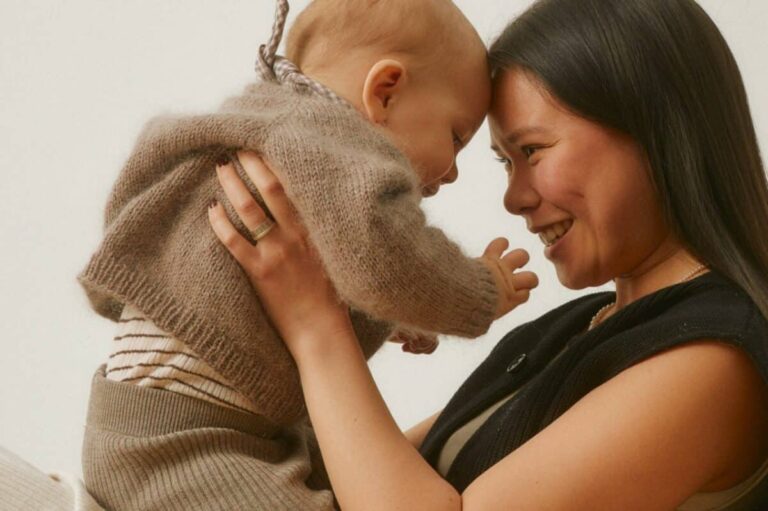
Newborn skin-to-skin contact physiology helps regulate temperature, breathing, heart rate, glucose, and early bonding.
Newborn skin-to-skin contact physiology explains why placing a diaper-clad baby on a parent’s bare chest can support a smoother transition after birth. This guide explores the body systems involved, the research behind the practice, safe techniques, common limits, and practical lessons for families and care teams.
What Is Newborn Skin-to-Skin Contact?
Skin-to-skin contact means placing a newborn upright on a parent’s bare chest, with the baby’s chest against the parent’s chest. The baby usually wears only a diaper and a hat, then both are covered with a warm blanket.
The practice is also called kangaroo care or kangaroo mother care. It can begin soon after birth and continue during feeding, rest, medical care, and the early weeks at home.
Newborn skin-to-skin contact physiology involves several systems working at once:
• The parent’s chest helps warm the baby.
• Close contact supports a steady heart rate and breathing pattern.
• The baby may cry less and enter a calmer state.
• Early contact can support feeding behaviors and milk release.
• Touch and scent help build early parent–infant connection.
The chest acts like a living support system. It does not replace medical care, but it can help the newborn adjust from the womb to the outside world.

How Newborn Skin-to-Skin Contact Physiology Works
A newborn leaves a warm, fluid-filled environment and enters a cooler, brighter, noisier space. The baby must quickly control body temperature, breathing, blood sugar, circulation, and alertness.
Newborn skin-to-skin contact physiology supports this transition through touch, warmth, smell, pressure, and sound. The baby hears the parent’s heartbeat and voice. The baby also feels the rise and fall of the parent’s chest.
These signals can act like a familiar bridge between life before and after birth.
Temperature control
Newborns lose heat quickly because they have thin skin, little body fat, and a large skin surface compared with their body weight. They also cannot shiver well to create warmth.
A parent’s bare chest can help reduce heat loss. Research suggests that a mother’s breast temperature may change in response to the baby’s temperature. This response is sometimes called thermal synchrony.
Skin-to-skin contact may help the baby stay warm through:
• Direct heat transfer from the parent’s chest
• Reduced exposure to cool air
• A warm blanket over both bodies
• Less stress-related energy use
The parent’s chest is not always enough to correct low temperature. A cold, wet, or unwell newborn needs prompt assessment and treatment by trained health professionals.
Breathing and heart rate
Newborn breathing can be irregular during the first hours of life. Brief pauses, fast breathing, or changes in oxygen levels may occur as the lungs adapt.
Skin-to-skin contact may support more stable breathing by reducing distress and helping the baby settle. The parent’s steady breathing, voice, and chest movement provide gentle sensory cues.
Studies of healthy full-term infants and premature infants have found links between kangaroo care and improved cardiorespiratory stability. Still, babies receiving intensive care need monitoring. A parent’s chest should never replace a monitor, incubator, or medical assessment.
Blood glucose and energy use
A newborn uses energy to stay warm, breathe, move, and cry. If the baby becomes cold or stressed, the body may use more glucose.
Newborn skin-to-skin contact physiology may help protect blood glucose by reducing heat loss and calming the stress response. A calmer baby may use less energy and show stronger feeding behaviors.
This benefit matters most for babies at higher risk of low blood sugar, including some infants who are:
• Small or large for gestational age
• Born early
• Exposed to diabetes during pregnancy
• Cold, stressed, or having trouble feeding
Blood glucose testing and feeding plans remain important. Skin-to-skin contact supports care but does not replace glucose checks when they are clinically needed.
Stress hormones and calming
Birth is stressful for both the infant and the parent. Separation, bright lights, pain, hunger, and handling can increase stress signals.
Skin-to-skin contact may lower signs of distress and support the release of oxytocin. Oxytocin is involved in calm behavior, social connection, uterine contraction, and milk ejection.
The baby may show:
• Less crying
• More quiet alertness
• Slower, steadier movements
• Better ability to seek the breast
• More organized sleep and wake periods
These changes do not mean every baby will become calm at once. Some newborns need time, feeding, medical treatment, or help with sensory overload.

Newborn Skin-to-Skin Contact and Brain Development
The newborn brain is highly sensitive to touch, sound, smell, and movement. Skin-to-skin care gives the baby repeated, gentle sensory input during a key period of development.
The parent’s body provides several signals at the same time:
• Warmth through the skin
• A familiar voice
• The scent of the chest and milk
• Gentle pressure from the parent’s body
• Rhythmic breathing and heartbeat
This combination may support the infant’s ability to organize behavior. In simple terms, the baby learns how to shift between sleep, quiet alertness, feeding, and recovery.
Kangaroo care has been studied in premature infants for decades. Research links regular contact with better temperature control, improved feeding progress, and more stable heart and breathing patterns. Some studies also report benefits for parent mental health and infant development.
The results are encouraging, but they are not identical for every infant. Studies vary in contact time, setting, infant age, medical condition, and the type of care provided alongside skin-to-skin contact.
Bonding and attachment
Skin-to-skin contact does not create instant perfect bonding. Attachment grows through many small, repeated experiences.
Holding a baby close can help a parent notice early signals. The parent may learn when the baby is hungry, tired, overstimulated, or ready to interact.
This process can be especially helpful after a difficult birth. Parents may feel frightened, numb, or disconnected after an emergency delivery or a newborn intensive care admission. Gentle skin-to-skin contact can offer a safe first step toward connection.
Parents who cannot provide contact right away can still build closeness through talking, touching, looking, pumping milk, and participating in care.

Newborn Skin-to-Skin Contact and Breastfeeding
Newborn skin-to-skin contact physiology supports the early feeding sequence. When a healthy baby rests on the parent’s chest, the baby may move through stages such as:
-
Crying briefly after birth
-
Relaxing
-
Waking and making small movements
-
Bringing hands to the mouth
-
Rooting and making sounds
-
Moving toward the breast
-
Latching and suckling
This process is sometimes called the newborn’s instinctive crawl. It may take time. A baby should not be forced onto the breast or pushed into a position.
Skin-to-skin contact can also support the parent’s milk supply. Touch, suckling, and the baby’s cues may increase oxytocin and prolactin activity. Oxytocin helps milk flow, while prolactin supports milk production.
Helpful practices include:
• Place the baby upright between the breasts.
• Turn the baby’s head to one side.
• Keep the nose and mouth visible.
• Let the baby move toward the breast when possible.
• Ask for lactation support if the latch is painful or weak.
• Continue skin-to-skin contact even when direct breastfeeding is delayed, unless a clinician advises otherwise.
Formula-fed babies can also benefit from skin-to-skin contact. The calming and temperature effects are not limited to breastfeeding families.
Benefits for Premature and Medically Fragile Babies
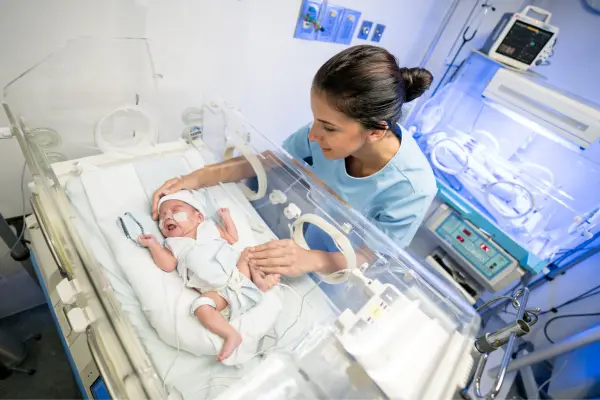
Kangaroo care is widely used in neonatal care, especially for premature or low-birth-weight infants. Newborn skin-to-skin contact physiology may help these babies conserve energy and maintain more stable body functions.
Potential benefits include:
• Better temperature control
• More stable oxygen levels
• Improved heart rate patterns
• Longer periods of quiet sleep
• Better feeding tolerance
• Increased parental confidence
• Greater opportunities for touch and connection
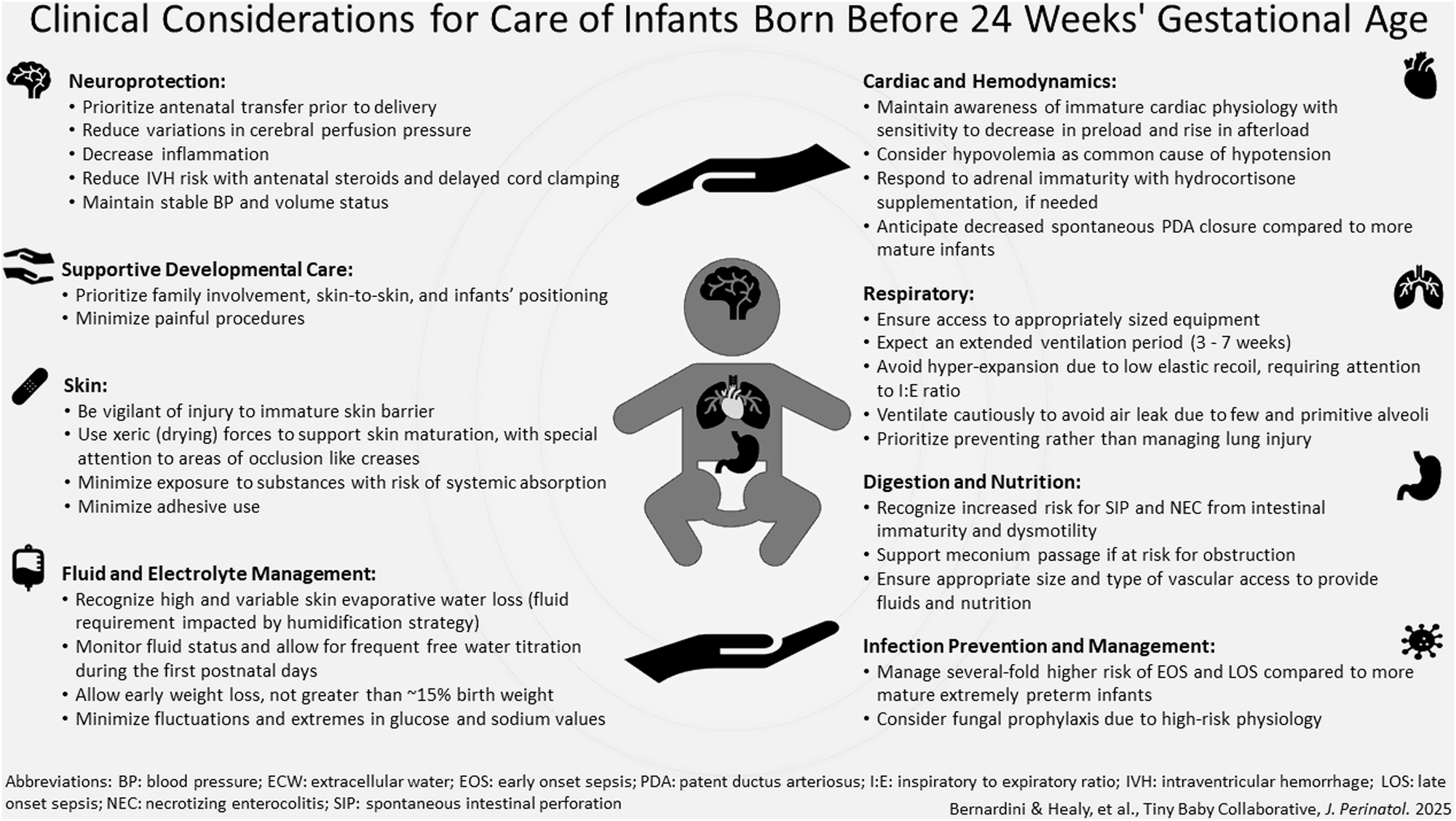
A premature baby may need breathing support, feeding tubes, intravenous medicine, or continuous monitoring. Skin-to-skin care can often happen with these supports in place, but the medical team must plan the transfer carefully.
A nurse may check the baby’s breathing, oxygen level, lines, and position before moving the baby. Two staff members may be needed for a safe transfer.
Parents should not feel guilty if contact must be delayed. Stabilizing the baby is the first priority. Even short, supported sessions can be meaningful when the baby is ready.
How to Practice Skin-to-Skin Contact Safely
Safe positioning is the most important part of newborn skin-to-skin contact. The goal is close contact without blocking the baby’s airway.
Follow these steps:
-
Wash your hands and choose a quiet, warm room.
-
Sit in a semi-reclined position with good back and arm support.
-
Remove the baby’s clothing except for a diaper, unless the care team gives different instructions.
-
Place the baby upright on the bare chest, with the head turned to one side.
-
Keep the neck slightly extended, not bent sharply forward.
-
Make sure the nose and mouth remain clear.
-
Turn the head so one cheek rests against the chest.
-
Cover the baby’s back with a blanket, while keeping the face visible.
-
Check the baby’s color, breathing, tone, and position often.
-
Stay awake and alert during the session.
The baby’s body should form a secure, upright position. The hips can be bent in a relaxed “frog-like” posture. The parent should support the baby during movement, feeding, or changes in position.
Do not sleep while holding a newborn skin-to-skin. If you feel drowsy, ask another alert adult to watch or place the baby in a separate approved sleep space.
Signs the baby needs repositioning
Move or seek help if the baby shows:
• A covered nose or mouth
• Blue, gray, pale, or unusual skin color
• Trouble breathing
• Grunting or repeated pauses
• Limpness or unusual weakness
• Sudden sweating or cold skin
• A sharp change in behavior
A baby who appears well can still slip into an unsafe position. Frequent visual checks matter more than a timer.
When Skin-to-Skin Contact May Need to Wait
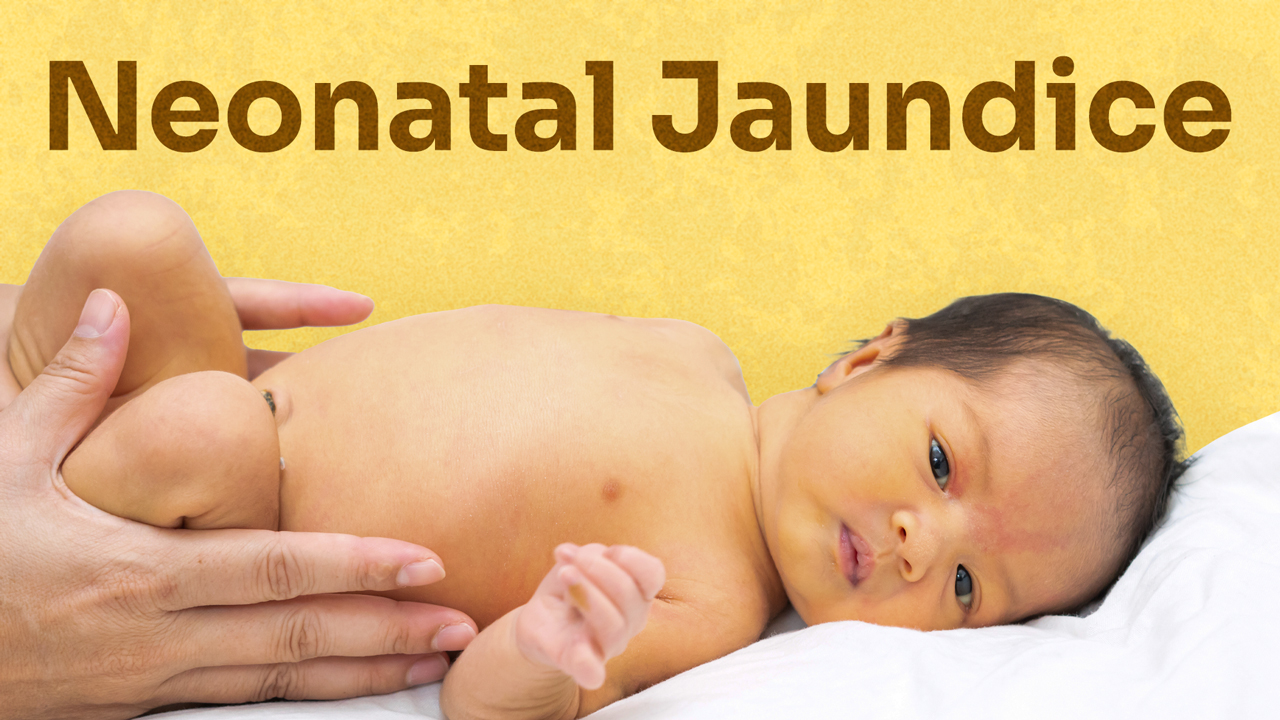
Skin-to-skin contact is often safe, but it is not right at every moment. Medical care takes priority when a newborn needs urgent support.
Contact may need to wait or be closely supervised if the baby has:
• Severe breathing difficulty
• Unstable heart rate or oxygen levels
• Serious temperature problems
• The need for emergency procedures
• Severe infection or shock
• A condition requiring immediate surgery
The parent may also need support if they are heavily sedated, faint, very unwell, or unable to stay awake. A second trained adult may help with positioning when the parent is recovering from surgery or anesthesia.
A cesarean birth does not automatically prevent skin-to-skin contact. Many hospitals support contact in the operating room or recovery area when the parent and baby are stable.
If the birth parent cannot provide contact, another healthy parent or caregiver may offer it. The baby can still receive warmth, calming touch, and familiar voice cues.

Common Mistakes to Avoid
Most safety problems come from poor positioning, fatigue, or lack of observation. A few simple habits can reduce risk.
Avoid these mistakes:
• Covering the baby’s face with a blanket
• Placing the baby flat across the chest with the chin pressed down
• Holding the baby while lying flat and becoming sleepy
• Leaving the baby alone on an adult bed or couch
• Assuming a quiet baby is always breathing well
• Using skin-to-skin contact to delay urgent medical care
• Ending contact because the first session feels awkward
New parents often worry that they are “doing it wrong.” The safest approach is to ask a nurse, midwife, lactation consultant, or doctor to check the position.
In practice, the best sessions are usually simple. A supported chair, a visible face, a warm blanket, and an awake adult can make a major difference.
How Long Should Skin-to-Skin Contact Last?
There is no single perfect length for every newborn. A short session may help, but longer uninterrupted contact often gives the baby time to settle and move through feeding behaviors.
Many clinical programs encourage at least 60 minutes when parent and baby are stable. Premature infants may benefit from longer sessions, sometimes one to several hours, based on the care plan.
Quality matters more than a strict clock. Contact should continue while the baby is stable and the parent is comfortable and alert.
Practical times include:
• Immediately after birth
• Before a feeding
• During a feeding break
• After a stressful procedure
• During pumping
• Before sleep, while the parent remains awake
• During a neonatal intensive care visit
If a session must end, end it slowly. Tell the baby what is happening, support the head and body, and move the baby to a safe cot or bassinet.
What the Research Shows
Evidence from clinical trials and reviews supports skin-to-skin care for many stable newborns, particularly premature and low-birth-weight infants. Reported benefits include better thermal control, more stable vital signs, improved breastfeeding outcomes, and stronger parental involvement.
Global newborn care guidance recommends kangaroo care as an important part of care for small or premature infants when clinically appropriate. Hospital protocols may differ because babies have different medical needs and resources.
Research also has limits. Some studies involve small groups, and it can be difficult to separate skin-to-skin contact from other helpful care, such as breastfeeding support, quiet rooms, and skilled nursing.
For that reason, skin-to-skin contact should be viewed as a powerful supportive practice, not a cure or a substitute for treatment. A clinician should guide care for babies with breathing problems, low blood sugar, infection, or other medical concerns.
Practical Tips for Parents and Caregivers
A little preparation can make newborn skin-to-skin contact easier and safer.
Try these tips:
• Wear a front-opening shirt or robe.
• Ask staff to delay nonurgent tasks when the baby is stable.
• Keep a support person nearby after a cesarean birth.
• Use pillows to support your arms, but never place soft items near the baby’s face.
• Keep the room warm but not overheated.
• Use a timer only as a guide, not as a replacement for observation.
• Speak softly and breathe slowly.
• Ask for help with latch, positioning, or transfers.
• Record what helps your baby settle.
Parents may also practice skin-to-skin contact at home after discharge. Choose a time when you are rested and alert. Sit in a safe, supported position, keep the baby’s face visible, and return the baby to a separate sleep space before you sleep.
Frequently Asked Questions About Newborn Skin-to-Skin Contact Physiology
What does newborn skin-to-skin contact physiology mean?
Newborn skin-to-skin contact physiology describes how close chest-to-chest contact affects a baby’s temperature, breathing, heart rate, glucose use, stress response, feeding, and behavior. It also includes the parent’s hormonal and emotional responses during contact.
Is skin-to-skin contact safe immediately after birth?
It is usually safe for a stable newborn and an alert parent when staff monitor positioning and vital signs. Emergency treatment, breathing problems, or parent illness may require a delay or supervised contact.
How does skin-to-skin contact keep a newborn warm?
The parent’s chest transfers heat to the baby and reduces exposure to cool air. A blanket over both bodies can help, but the baby’s face must remain uncovered and visible.
Can a partner provide skin-to-skin contact?
Yes. A healthy, alert partner can provide warmth, touch, voice, and calming support when the birth parent is unavailable or recovering. The baby should remain upright, visible, and safely supported.
Does skin-to-skin contact improve breastfeeding?
It may support early feeding behaviors, rooting, latch, and milk release. However, feeding challenges can have many causes, so parents should seek help from a lactation professional when needed.
How long should a newborn stay skin-to-skin?
Many hospitals aim for at least 60 minutes when possible, while premature infants may need longer sessions based on their care plan. The parent must remain awake, and the baby must remain stable and safely positioned.
Can I do skin-to-skin contact with a premature baby?
Often, yes, but the neonatal team should guide the timing and transfer. Babies with oxygen, feeding tubes, or other medical devices may need careful staff support during the session.
Can I do skin-to-skin contact if I had a cesarean birth?
Usually, yes, if both parent and baby are stable. Staff can help position the baby safely above the surgical area or provide contact in recovery.
Conclusion
Newborn skin-to-skin contact physiology shows how a simple act can support many parts of early newborn health. Warmth, steady touch, familiar sounds, and close positioning may help regulate temperature, breathing, heart rate, glucose use, stress, feeding, and bonding.
The practice works best when the baby is stable, the parent is alert, and the airway remains clear. It can support medical care, but it cannot replace monitoring or treatment when a newborn is unwell.
Ask your maternity or newborn care team to show you safe positioning before the first session. Then make skin-to-skin contact a calm, regular part of early care, and explore trusted newborn resources for continued guidance.