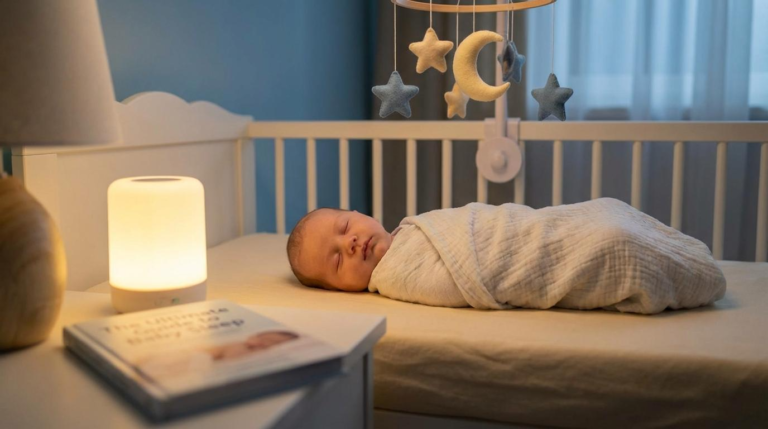
Newborn sleep-space preparation creates a firm, clear, calm place for safer infant sleep.
Newborn sleep-space preparation is more than choosing a cute bassinet. It means building a simple sleep area that supports safe sleep, easy night care, and peaceful routines. This guide combines current safety advice with practical lessons caregivers often learn during those long, tender nights.
What newborn sleep-space preparation means
Newborn sleep-space preparation is the process of setting up a safe place for a baby to sleep. The space may be a crib, bassinet, or portable play yard that meets current safety standards.
The safest sleep area has three key features:
• A firm, flat, level sleep surface
• A fitted sheet made for that mattress
• No loose items or soft objects near the baby
Think of the sleep space like a clean, empty stage. The baby is the only thing that belongs on it. Blankets, pillows, stuffed toys, positioners, and padded liners can create risks, even when they look soft and helpful.
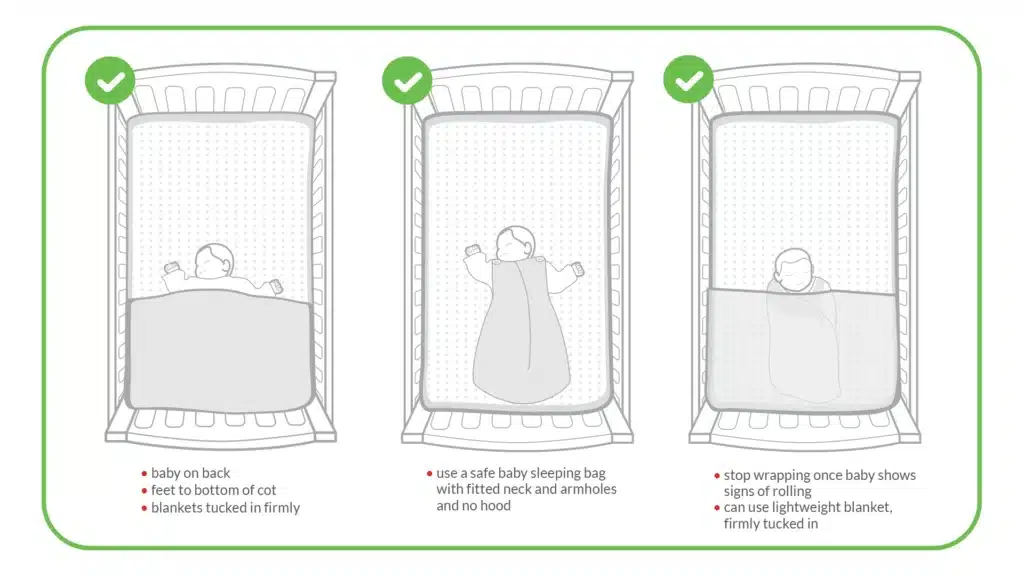
The American Academy of Pediatrics recommends placing babies on their backs for every sleep. This includes naps and nighttime sleep. Room sharing without bed sharing is also advised, especially during the first six months, when practical and safe.
Why a safe newborn sleep space matters
Newborns have limited head and neck control. They may not be able to move away if fabric covers the nose or mouth. Their small bodies can also become trapped between a mattress and the side of a sleep product.
A clear sleep area lowers the chance of suffocation, entrapment, and overheating. It also helps parents check the baby quickly during nighttime care.
Research and safety guidance link unsafe sleep conditions with a higher risk of sudden unexpected infant death. No setup can remove every risk. Still, simple steps can make the sleep environment much safer.
Newborn sleep-space preparation also helps tired caregivers. When everything has a place, you spend less time searching for diapers, burp cloths, or a clean swaddle at 2 a.m. A calm setup can make hard nights feel more manageable.
It is important to remember that safe sleep advice does not promise perfect sleep. A safe crib will not make every newborn sleep for long stretches. Newborns often wake to feed, need comfort, and have irregular sleep patterns.
Choose the right sleep product
Start with a product designed for infant sleep. Good choices include a full-size crib, bassinet, portable crib, or play yard that follows current federal safety rules.
Check the product before bringing your baby home. Look for a clear product label, safety instructions, and information about the mattress. If you buy used equipment, check its age, condition, and recall history.
The Consumer Product Safety Commission advises families to avoid products with known safety problems. Do not use a sleep product with missing parts, broken rails, torn mesh, or a mattress that does not fit tightly.
Crib and bassinet checklist
Use these points during newborn sleep-space preparation:
• Choose a firm, flat, level mattress.
• Use only the mattress made for that product.
• Make sure the fitted sheet fits tightly.
• Check that the mattress does not leave gaps around the edges.
• Confirm that the frame locks fully and stands steadily.
• Keep the product away from cords, windows, blinds, heaters, and lamps.
• Follow the manufacturer’s weight and age limits.
• Stop using a bassinet when the baby reaches its limit or can push up, roll, or sit.
A soft adult mattress, couch, recliner, or padded lounger is not a safe replacement for a crib or bassinet. Babies can slip into gaps or become trapped in cushions. Never use a car seat, stroller, swing, or bouncer as a regular sleep space.

Build a clear and firm sleep surface
The mattress should feel firm, not plush. When you press it, it should not form a deep hollow around your hand. A firm surface helps keep the baby’s face from sinking into the mattress.
Use one fitted sheet made for that exact mattress. Avoid extra layers, mattress toppers, pads, and waterproof covers that do not fit well. If you need waterproof protection, use only a product approved for that mattress and designed to fit tightly.
Do not add these items to the crib:
• Pillows
• Quilts
• Comforters
• Loose blankets
• Stuffed animals
• Crib bumpers
• Sleep positioners
• Wedges
• Rolled towels
• Nursing pillows
• Weighted blankets or weighted swaddles
Crib bumpers may seem useful, but they can increase the risk of suffocation and entrapment. Mesh bumpers are not automatically safe. A bare crib is the safest crib.
One practical lesson from newborn sleep-space preparation is to remove items before the baby arrives, not after a problem occurs. A decorative pillow may look harmless during the day. At night, a tired adult may forget to remove it.

Keep the baby on the back for every sleep
Place your newborn on their back for naps and nighttime sleep. This position is recommended even if the baby spits up. Healthy babies have protective reflexes that help keep fluids from blocking the airway.
Some babies turn their heads to one side while sleeping. That is normal. Do not use a positioner to force the head into place.
Tummy time is important when your baby is awake and watched by an adult. It helps build strength and supports motor development. Tummy time does not replace back sleeping.
If your baby falls asleep in a car seat, swing, stroller, or carrier, move them to a firm, flat sleep surface as soon as practical. A seated or inclined position can affect breathing.
Parents sometimes worry that back sleeping will cause choking. Current evidence and expert guidance support back sleeping as the safest position for infants. Ask your pediatrician if your baby has a medical condition that requires special positioning.

Control temperature, clothing, and swaddling
Overheating can increase sleep-related risks. Dress your baby in light layers that suit the room. As a general guide, your baby may need only one more light layer than an adult feels comfortable wearing.
Check the baby’s chest or back rather than the hands and feet. Cool hands do not always mean the baby is cold. Sweaty skin, damp hair, flushed cheeks, or a hot chest may suggest too much clothing.
A wearable blanket can replace a loose blanket. Choose the right size so the fabric cannot ride up over the baby’s face. Avoid weighted sleep sacks and weighted swaddles.
Swaddling may calm some newborns, but it must be done safely. Use a light fabric, keep the hips loose, and place the baby on the back. Stop swaddling as soon as the baby shows signs of trying to roll.
Never use a swaddle to hold a baby tightly in one position. The baby should be able to breathe freely and move the legs. When rolling begins, switch to an unrestrictive wearable blanket.
Prepare the room for safer night care
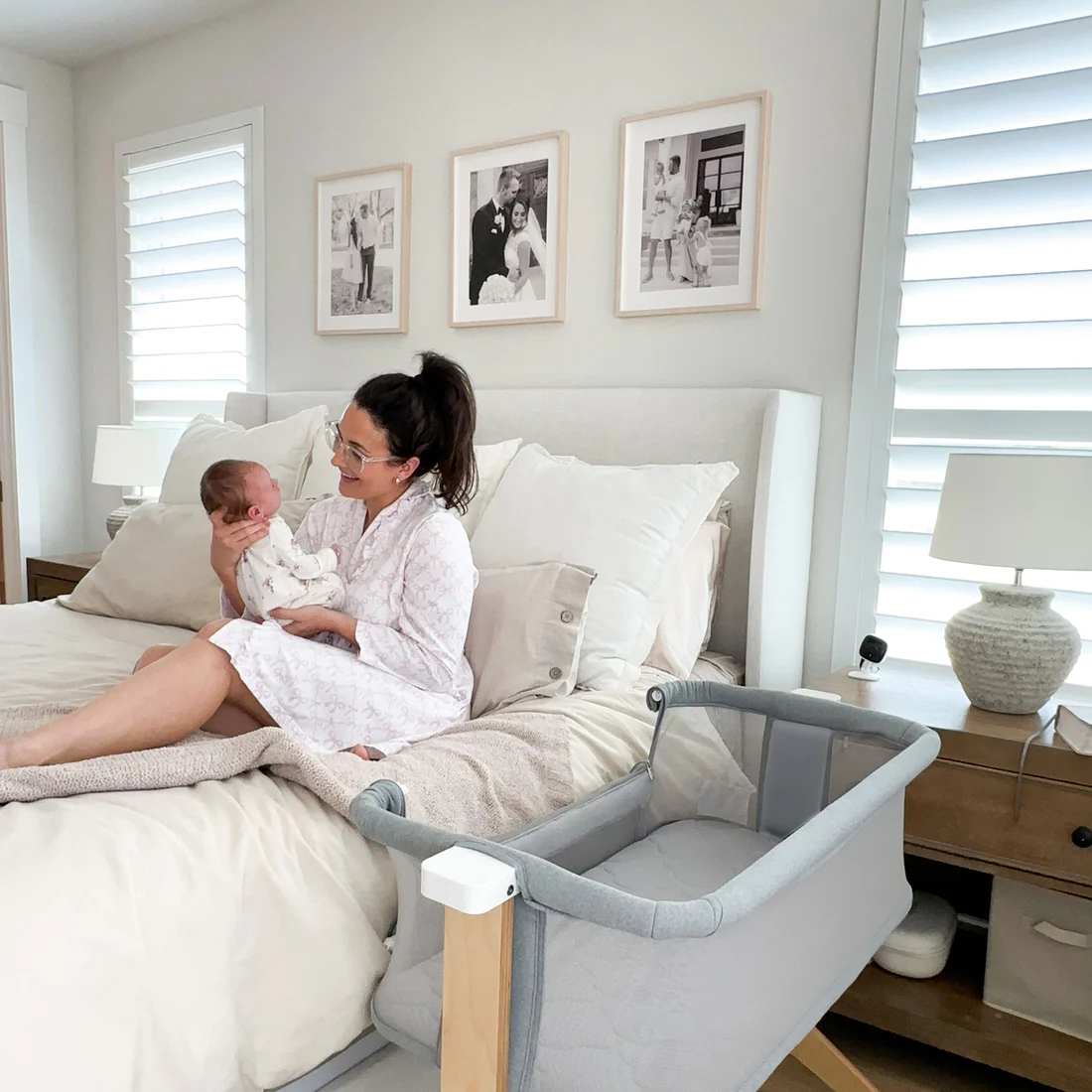
Place the baby’s sleep space close to your bed, but keep the baby in a separate sleep area. This setup makes feeding and checking easier while avoiding the risks of adult beds.
Keep the path to the crib clear. A small night-light can help you move safely without using a bright overhead light. Store diapers, wipes, and burp cloths nearby, but keep them outside the crib.
Check the room for hazards:
• Secure blind cords and curtain cords.
• Keep electrical cords away from the sleep area.
• Move heaters and fans away from the crib.
• Do not place the crib beside a window.
• Keep pets from entering the sleep space.
• Maintain a smoke-free and vape-free home.
• Use a working smoke alarm and carbon monoxide alarm.
Room temperature matters less than the baby’s clothing and signs of overheating. There is no need to make the room unusually cold. Aim for a comfortable room and avoid heavy layers.
Newborn sleep-space preparation should also include a plan for tired adults. If you feed your baby in bed, return the baby to their own sleep space before you fall asleep. If you bring the baby into bed to comfort or feed, clear pillows and blankets away from the baby and move the baby back when you wake.
Use sleep aids with care
Many products promise longer sleep or fewer wake-ups. Some are not tested well for safety, and others may create new risks.
Avoid products that hold a baby in one position, incline the baby’s head, or add padding around the body. This includes sleep positioners, inclined sleepers, and padded nests marketed for unsupervised sleep.
White noise may help some families, but place the machine far from the crib and keep the volume low. Prolonged loud sound may harm hearing. A simple timer can prevent the machine from running all night.
A pacifier at sleep time may lower the risk of sleep-related death for some babies. If you breastfeed, many experts suggest waiting until feeding is well established before offering one. Do not force a pacifier, attach it to a cord, or coat it with sweet substances.
A pacifier is optional. Safe sleep does not depend on using one.
A practical newborn sleep-space preparation checklist
Complete this checklist before your baby’s first night at home:
-
Choose a crib, bassinet, or portable play yard made for infant sleep.
-
Read the product instructions and check for recalls.
-
Confirm that the mattress is firm, flat, and made for the product.
-
Use one tight fitted sheet.
-
Remove pillows, blankets, toys, bumpers, wedges, and positioners.
-
Place the baby on the back for every nap and nighttime sleep.
-
Set up the sleep space near your bed.
-
Keep cords, heaters, windows, and pets away from the area.
-
Prepare a wearable blanket or safe swaddle.
-
Stop swaddling when the baby tries to roll.
-
Check the baby’s chest for signs of overheating.
-
Make a plan for returning the baby to the crib after feeding.
-
Tell every caregiver about the same safe sleep rules.
Ask grandparents, babysitters, and family members to follow your plan. Older advice may differ from current recommendations. A friendly explanation can prevent confusion without creating tension.
You can say, “We are keeping the crib empty and placing the baby on the back every time. That is the plan our pediatrician recommends.”
Common mistakes to avoid
One common mistake is preparing a beautiful crib with too many items. A nursery photo may show pillows and blankets, but those items should not stay in the crib during sleep.
Another mistake is assuming that expensive products are safer. A high price does not replace a firm surface, correct fit, and clear instructions. Simple equipment often supports the safest setup.
Some families use a couch or recliner for nighttime feeding because it feels comfortable. These surfaces can be dangerous if the adult falls asleep. Plan a safer feeding spot and return the baby to the crib when finished.
Do not rely on breathing monitors to make an unsafe sleep space safe. Home monitors may create false reassurance and are not a substitute for safe sleep practices. Babies with medical needs may require special equipment under professional guidance.
A final mistake is failing to update the setup as the baby grows. Newborn sleep-space preparation is not a one-time task. Recheck the product when your baby begins rolling, pushing up, or reaching for nearby objects.
When to ask a health professional
Talk with your pediatrician before using special sleep equipment if your baby was born premature, has breathing problems, has poor muscle tone, or has another medical condition.
Ask for help if your baby snores often, has pauses in breathing, turns blue or gray, or struggles to breathe. Call emergency services for severe breathing trouble, unresponsiveness, or color changes that do not quickly resolve.
A doctor can also help with feeding, reflux concerns, swaddling, and sleep position questions. Do not raise the crib mattress or use an inclined product unless a qualified medical professional gives specific instructions.
Safety guidance may change as new evidence becomes available. Trusted sources include your child’s pediatrician, the American Academy of Pediatrics, the Consumer Product Safety Commission, and public health agencies. Product instructions matter too, but they should not replace medical advice.
Frequently Asked Questions About Newborn Sleep-Space Preparation
What should be in a newborn’s sleep space?
A newborn’s sleep space should contain a firm, flat mattress and one tightly fitted sheet. Keep the crib or bassinet free of pillows, blankets, toys, bumpers, positioners, and other loose items.
Can a newborn sleep in a room with a fan?
A fan may be used if it is placed safely and does not blow strongly or directly onto the baby. Keep cords away from the crib, and never place the fan inside or on the edge of the sleep space.
Is a bassinet safer than a crib?
A bassinet can be safe when it meets current standards, has a firm flat surface, and is used within its limits. A crib can also be safe and usually lasts longer, but both need the same clear sleep setup.
Should a newborn sleep with a blanket?
Loose blankets are not recommended in a newborn’s sleep space. Use a properly fitted wearable blanket or safe swaddle, and stop swaddling when the baby shows signs of rolling.
Can a newborn sleep in a car seat at home?
A car seat is designed for travel, not routine sleep. If your baby falls asleep in the car seat, move the baby to a firm, flat sleep surface when practical and safe.
How close should the crib be to the parents’ bed?
Place the crib, bassinet, or portable play yard in the same room as the parents when possible, while keeping the baby in a separate sleep space. This makes nighttime care easier and avoids the risks of bed sharing.
Conclusion
Newborn sleep-space preparation works best when it stays simple. Choose a firm, flat sleep surface, use a tight fitted sheet, place your baby on the back, and keep the space empty.
Room sharing, careful temperature control, safe swaddling, and regular product checks add important layers of protection. No setup can guarantee perfect sleep, but these steps create a safer foundation for your baby and more confidence for you.
Set up the sleep space before the first night, review it as your baby grows, and share the same plan with every caregiver. For more trusted infant sleep guidance, speak with your pediatrician and explore current safety recommendations from leading child health organizations.