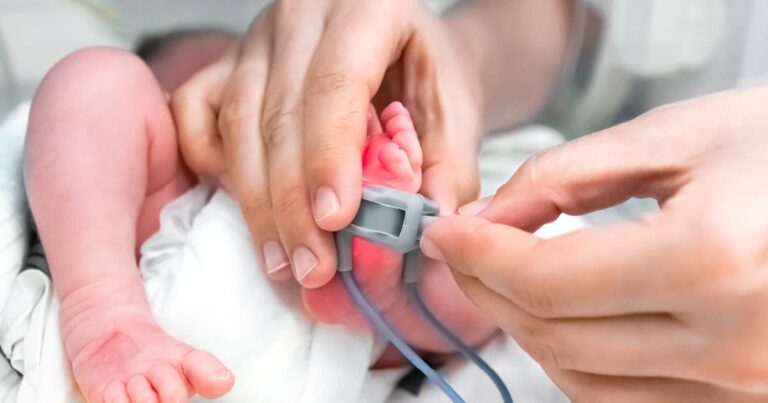
Newborn safe handling and lifting principles protect fragile necks, airways, joints, and developing bodies during every move.
Newborns need gentle, steady support because they cannot control their heads or protect their airways. The newborn safe handling and lifting principles in this guide explain how to pick up, carry, reposition, transfer, and put down a baby with confidence. You will learn simple steps used by parents, caregivers, nurses, and other trained professionals to reduce falls, strain, and unsafe pressure.
Why newborn safe handling matters
A newborn may look small and strong, but the baby’s body is still developing. The neck muscles are weak, the head is heavy compared with the body, and the airway can become blocked by poor positioning. A sudden movement can also startle the baby or cause the caregiver to lose balance.
The main goal of newborn safe handling and lifting principles is to keep the baby’s head, neck, spine, and body aligned. Think of the baby as a small bridge that needs support at both ends. One hand supports the head and neck, while the other supports the back, hips, and bottom.
Safe handling also protects the caregiver. A tired adult may bend, twist, or lift from an unsafe position. Good technique lowers the risk of dropping the baby, bumping the baby, or injuring the caregiver’s back and shoulders.
These principles matter during common tasks such as:
- Picking up a baby from a crib
- Moving a baby from one person to another
- Placing a baby in a bassinet
- Changing clothes or diapers
- Giving a bath
- Feeding or burping
- Moving a baby after medical care
- Carrying a sleeping baby
Core newborn safe handling and lifting principles
The safest approach is calm, planned, and slow. Before touching the baby, pause and check your position, the baby’s location, and the path you will take.
The most important newborn safe handling and lifting principles include:
- Wash and dry your hands before handling the baby.
- Remove loose items that could scratch or cover the baby’s face.
- Stand close to the baby before lifting.
- Use both hands for a newborn.
- Support the head and neck at all times.
- Support the upper back, hips, and bottom.
- Keep the baby’s face and nose visible.
- Hold the baby close to your chest.
- Move slowly and avoid sudden turns.
- Keep your back straight and bend your knees.
- Ask for help when you feel tired, dizzy, weak, or unsure.
- Place the baby down before reaching for objects.
A newborn’s head should not fall backward or flop to one side. The baby should remain close to your body, with the head supported above the chest and the neck in a neutral position.
Never try to lift a newborn with one hand while carrying a drink, phone, bag, or other object. Clear the area first. A few seconds of preparation can prevent a serious fall.
How to pick up a newborn safely
Use the following steps when picking up a newborn from a crib, bassinet, changing table, or safe floor surface.
Step 1: Prepare your body
Stand close to the baby. Keep both feet stable and avoid reaching across a wide space. If the baby is on a high surface, lower the side rail if needed and keep one hand near the baby while preparing to lift.
Step 2: Talk to the baby
Speak softly before touching the baby. A calm voice can help reduce sudden movement. Place one hand gently under the head and neck.
Step 3: Support the body
Slide your other hand under the baby’s upper back, hips, and bottom. Your arms should form a firm cradle. Keep the baby’s head in line with the body.
Step 4: Lift close to your chest
Bend your knees and lift with your legs. Bring the baby toward your chest instead of holding the baby far away from your body. This gives you more control and reduces strain.
Step 5: Check the airway
Look at the baby’s face. Make sure the nose and mouth are clear. The chin should not be pressed tightly against the chest, and the baby’s face should not be covered by clothing, blankets, or your body.
A common mistake is lifting the baby by the arms, wrists, hands, or underarms. Newborn joints and tissues are delicate. Always support the trunk, head, and neck instead.
How to carry and hold a newborn
Once the baby is in your arms, keep the head and neck supported. A young newborn may need support even when held upright against your chest.
The safest basic holds include:
- Cradle hold: Place the baby’s head in the bend of your elbow while your forearm supports the back. Keep the baby’s body close to you.
- Shoulder hold: Hold the baby upright against your chest with one hand supporting the head and neck. Use the other hand to support the bottom and back.
- Chest hold: Keep the baby upright against your chest, with the head turned to the side and the airway open.
- Football hold: Place the baby along your forearm with the head supported in your hand. Keep the baby’s body close to your side.
Change positions slowly. Tell another adult before passing the baby. Both people should have a secure grip before the first person lets go.
During newborn safe handling and lifting principles, avoid loose, unsupported positions. Do not hold a newborn by the feet, arms, clothing, or blanket. Do not bounce, swing, toss, or shake a newborn, even as a joke or during play.
If you feel sleepy, sit in a safe place and ask another awake adult to take the baby. Never sleep with a newborn on a sofa, recliner, or adult bed. These surfaces can increase the risk of suffocation and entrapment.
Moving a newborn from one surface to another
Transfers require extra care because the baby is most vulnerable when lifted away from a stable surface. Before you begin, check that the destination is ready.
For example, if moving a baby to a bassinet:
- Put the bassinet close to you.
- Make sure it has a firm, flat sleep surface.
- Remove pillows, loose blankets, toys, and other soft items.
- Place one hand under the head and neck.
- Place the other hand under the back and bottom.
- Lift the baby close to your chest.
- Bend your knees and turn your whole body.
- Lower the baby onto the back.
- Keep one hand on the baby until the body is settled.
- Remove your hands slowly.
Avoid twisting while carrying. Turn your feet and hips together. Twisting while holding a newborn can make you lose balance.
When placing the baby down, lower the bottom and back first, then the head. Keep the head supported until it reaches the surface. If the baby starts to slide or the head moves suddenly, stop and regain a secure hold before continuing.

Newborn safe handling during diaper changes and bathing
Diaper changes often happen many times each day, but they still need careful setup. A newborn can move suddenly, even before the caregiver expects it.
Keep one hand on the baby whenever the baby is on a changing table or other raised surface. Place diapers, wipes, clothing, and cream within reach before starting. Never step away, even for a few seconds.
If you must get an item, pick up the baby and take the baby with you, or place the baby in a safe crib or bassinet first. A changing table is not a safe place to leave a newborn alone.
Bathing needs even more attention. Babies can slip quickly in water, and drowning can happen in very shallow water. Use these newborn safe handling and lifting principles:
- Check the water temperature before placing the baby in the bath.
- Keep all supplies within reach.
- Support the head and neck with one arm.
- Keep the baby’s face above water.
- Use your free hand for gentle washing.
- Never leave the baby alone in the bath.
- Do not rely on bath seats or another child for supervision.
- Lift the baby with two hands when removing the baby from water.
Wet babies are slippery. Use a towel nearby, but do not wrap the towel over the baby’s face. Hold the baby firmly, keep the airway clear, and dry the baby on a safe, stable surface.

Safe lifting posture for caregivers
Safe newborn handling depends on the caregiver’s body position as much as the baby’s position. Poor posture can lead to back pain, shoulder strain, or a sudden loss of grip.
Use these posture tips:
- Face the baby before lifting.
- Keep your feet about shoulder-width apart.
- Bend your knees instead of bending from the waist.
- Keep the baby close to your chest.
- Avoid lifting while reaching across a crib.
- Avoid turning your upper body while holding the baby.
- Sit down before long feeds or extended holding.
- Use a step stool only when it is stable and safe, and never while holding the baby.
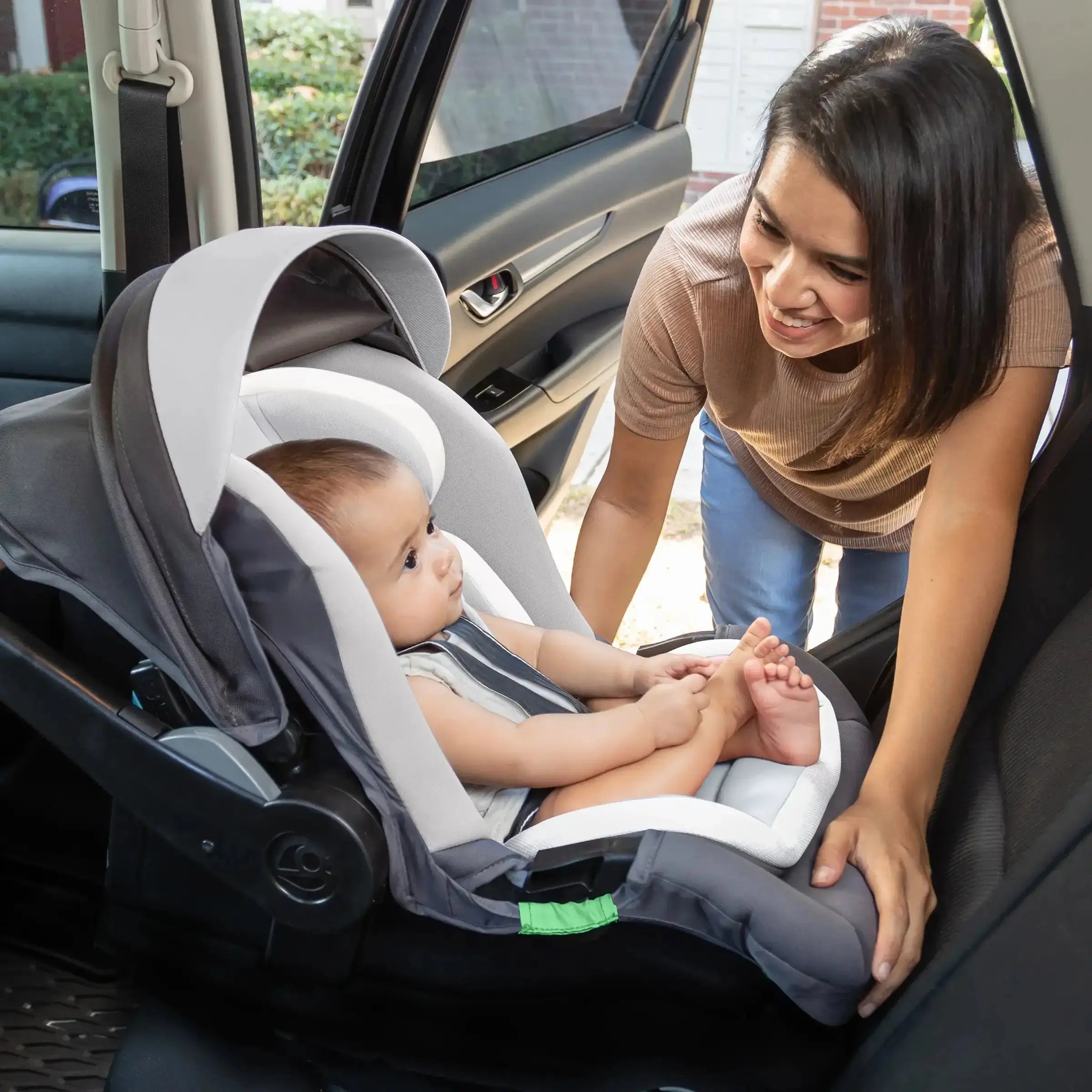
- Ask for help with car seats, stairs, or long transfers.
A practical lesson from newborn care is that rushing creates risk. Many handling errors happen when a caregiver is hungry, sleep deprived, distracted, or trying to complete two tasks at once. Slow down before every lift, even when the movement seems routine.
If you have a back, wrist, shoulder, or balance problem, ask a health professional to show you safer methods. Physical limitations do not make someone an unsafe caregiver, but they may require a different setup or extra support.

Newborn safe handling in a hospital or clinical setting
Hospital handling may involve more people, equipment, tubes, wires, or medical concerns. Parents and visitors should follow the instructions of the care team.
Before lifting a newborn in a clinical setting:
- Ask the nurse or clinician for permission.
- Check whether lines, monitors, oxygen tubing, or feeding tubes are attached.
- Ask where to place your hands.
- Keep the baby’s head and neck supported.
- Move only as instructed.
- Stop if a tube pulls, the baby changes color, or the baby has trouble breathing.
- Ask for help when transferring the baby to or from a warmer, crib, scale, or chair.
Premature babies and babies with medical conditions may need extra support. Some may have weaker muscle tone, breathing needs, surgical wounds, or special positioning instructions. Standard newborn safe handling and lifting principles still apply, but the care team may add specific rules.
Do not remove medical equipment or change a baby’s position without guidance. A parent’s touch is valuable, but trained support is important when a baby needs complex care.

Signs that handling should stop
Stop the movement and place the baby in a safe position if you notice a problem. Warning signs may include:
- Blue, gray, or very pale skin
- Trouble breathing
- Weak crying or sudden silence
- Repeated coughing or choking
- A limp or unusually stiff body
- Vomiting during a transfer
- A head that is not supported
- A tube, cord, or line pulling
- A caregiver who feels dizzy or unstable
- The baby slipping from the caregiver’s arms
If the baby is not breathing normally, appears blue, is unresponsive, or has a serious injury, call 911 immediately. Begin infant CPR if you are trained and follow the dispatcher’s instructions.
Do not shake a baby to wake the baby or stop crying. Shaking can cause severe brain injury or death. If crying feels overwhelming, place the baby on the back in an empty crib, step away briefly, and call a trusted person for support.
Common mistakes to avoid
Even caring adults can make unsafe choices when tired or rushed. Knowing common errors makes them easier to prevent.
Lifting without head support
A newborn’s head can fall backward quickly. Always place one hand behind the head and neck before lifting.
Holding the baby too far away
A baby held at arm’s length is harder to control. Keep the baby close to your chest during movement.
Reaching across a crib
Reaching can strain the back and weaken your grip. Move closer to the crib and lower the side rail if it is designed to move safely.
Carrying too many items
A phone, drink, diaper bag, or blanket can take away one hand. Put items down before picking up the baby.
Leaving the baby on a raised surface
Never assume a newborn cannot move. Babies may wiggle, roll, or slide without warning.
Using a sling or carrier incorrectly
Follow the product instructions and check that the baby’s face is visible. The baby should be high enough to kiss, with the chin off the chest and the back supported. Premature or medically fragile babies may need professional advice before carrier use.
Passing the baby without speaking
Tell the other adult when you are transferring the baby. Wait until the second person has a firm hold before releasing your grip.
A simple safety check before every lift
A short pause can turn safe handling into a habit. Use the “CLOSE” check:
- Clear: Remove bags, cords, pets, and loose objects.
- Look: Check the baby’s head, neck, face, and body position.
- Organize: Put the destination and needed supplies within reach.
- Support: Place one hand under the head and neck and one under the body.
- Ease: Lift, turn, and lower slowly.
This check is useful at home, in a hospital, and while traveling. It also helps visitors learn the correct method without feeling embarrassed.
Caregivers often improve faster when they practice with a doll first. A doll cannot copy every newborn movement, but it can help you learn where to place your hands and how to keep your elbows close to your body.
How partners, family members, and visitors can help
Newborn care works best when everyone uses the same safety rules. Parents should feel comfortable setting clear limits with family and visitors.
You can say:
- “Please wash your hands before holding the baby.”
- “Let me show you how to support the neck.”
- “Please sit down before I pass the baby to you.”
- “Keep the baby’s face uncovered.”
- “Tell me before you stand up with the baby.”
- “Please give the baby back if you feel tired.”
Older children may want to help. Give them safe tasks, such as bringing a diaper, singing softly, or sitting beside an adult while the adult holds the baby. Do not ask a young child to carry a newborn without close adult support.
Visitors who are ill should postpone close contact. Hand washing, clean clothing, and avoiding face kisses can help reduce the spread of infection. Families may have different customs around holding and touching babies, so explain the safety reason with kindness and clarity.
Equipment that supports safe newborn handling
Helpful equipment can make handling easier, but no product replaces active supervision. Choose items that match the baby’s age, size, development, and medical needs.
Useful options may include:
- A firm, flat bassinet or crib
- A changing table with a safety strap, used with constant supervision
- An adjustable bedside crib
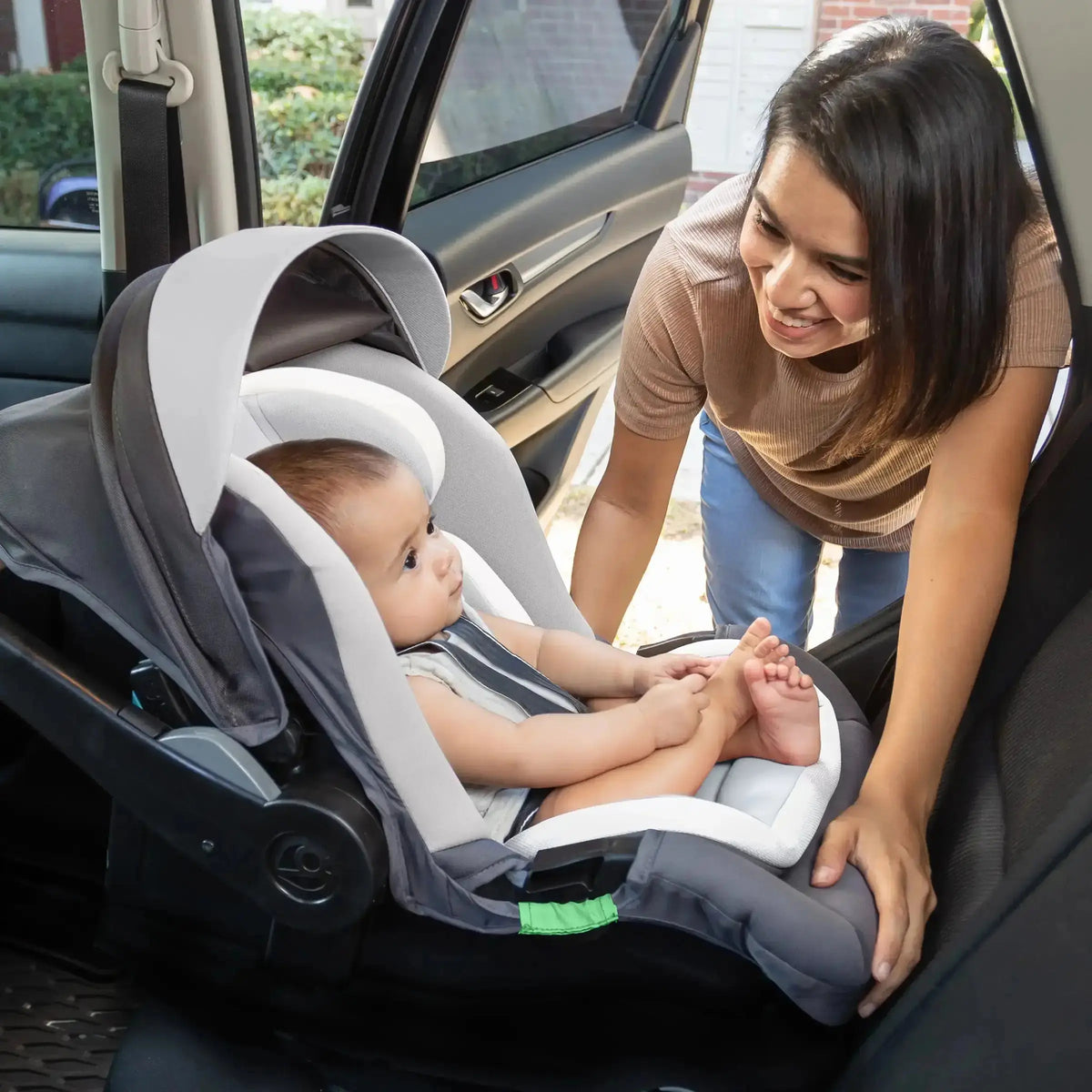
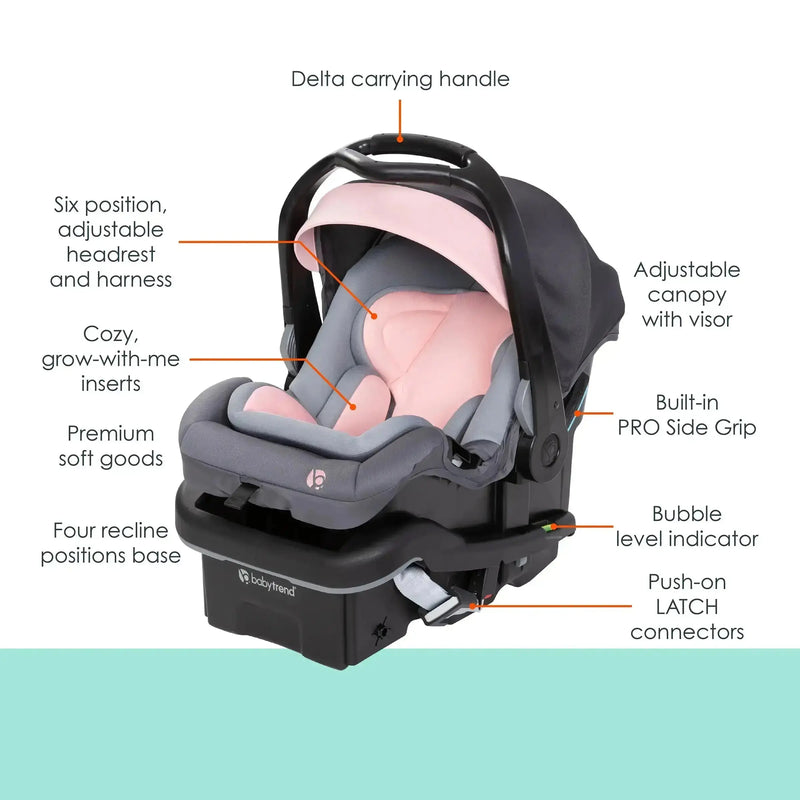
- A properly fitted rear-facing car seat
- A supportive baby carrier used according to instructions
- A stable chair for feeding
- A bassinet with clear access and no loose bedding
Check equipment for recalls, broken parts, loose screws, tears, and incorrect assembly. Keep the manufacturer’s instructions nearby.
Never use an inclined sleeper, soft nest, pillow, couch, or adult bed as a routine sleep space. Current safe sleep guidance recommends placing babies on their backs on a firm, flat surface with no loose items.
When to seek professional instruction
Ask a pediatrician, nurse, midwife, occupational therapist, or physical therapist for help if you are unsure about handling. Professional instruction is especially important when the baby:
- Was born premature
- Has low muscle tone
- Has breathing problems
- Has a neurological or orthopedic condition
- Has recently had surgery
- Uses oxygen, feeding tubes, or monitors
- Has a neck or spine concern
- Cries or shows pain during movement
- Has trouble feeding after repositioning
A short demonstration can prevent repeated mistakes. Ask the professional to watch you pick up, hold, transfer, and place down the baby. This hands-on review is often more useful than reading instructions alone.
The limits of general advice matter here. Every newborn is different, and medical instructions may override standard newborn safe handling and lifting principles. When in doubt, ask the baby’s health care team before trying a new position or device.
Frequently Asked Questions about newborn safe handling and lifting principles
How should you lift a newborn?
Place one hand under the newborn’s head and neck and the other under the upper back, hips, and bottom. Lift slowly, keep the baby close to your chest, and check that the face and airway remain clear.
Why must a newborn’s head and neck be supported?
Newborns do not yet have strong enough neck muscles to control the head. Support helps prevent sudden head movement, airway obstruction, and strain on the neck and spine.
Can you lift a newborn with one hand?
Use both hands when lifting a newborn, especially from a crib, changing table, or other surface. One hand may be used briefly for support after the baby is secure against your chest, but never lift by the arms, hands, or clothing.
What is the safest way to transfer a newborn to a crib?
Prepare the crib first, then lift the baby with head, neck, back, and bottom support. Lower the baby onto the back on a firm, flat surface, keep the face uncovered, and remove your hands slowly.
Is it safe to carry a newborn while walking upstairs?
Stairs create a higher fall risk, so use extra care and keep one hand on the railing when possible. If you feel tired, distracted, or unsteady, place the baby in a safe location and ask another adult for help.
What should you do if a newborn slips during handling?
Secure the baby immediately and check breathing, color, movement, and responsiveness. If the baby falls, hits the head, has trouble breathing, becomes unusually sleepy, vomits, or behaves abnormally, seek urgent medical care.
When can a newborn hold up the head without support?
Head control develops gradually and varies among babies. Until a baby can reliably control the head, continue supporting the head and neck during lifting, carrying, and transfers.
Conclusion
Newborn safe handling and lifting principles center on three simple ideas: support the head and neck, keep the baby’s airway clear, and move with slow, steady control. Prepare the space, use both hands, keep the baby close, and avoid lifting while distracted or rushed.
These habits protect the baby and make caregiving easier on your body. Practice the steps with a trusted adult, ask a health professional to check your technique when needed, and share the same safety rules with everyone who holds the baby. Explore trusted newborn care resources, take an infant first aid class, and share your own safe handling tips with other caregivers.