Newborn screening tests find serious health problems early, often before a baby shows any signs.
Newborn screening tests explained in plain language can ease a stressful first week for new parents. These tests use a few drops of blood, a hearing check, and a simple heart scan to look for rare but treatable conditions. This guide explains what happens, why it matters, what results mean, and what parents should do next.
What Are Newborn Screening Tests?
Newborn screening tests explained simply are routine checks done soon after birth. They look for health conditions that may not cause clear symptoms at first but can lead to serious harm without early care.
Most newborn screening programs include three main parts:
• A blood spot test, often called the heel-stick test
• A newborn hearing screening
• A pulse oximetry test for some serious heart defects
The goal is not to diagnose every possible illness. Instead, newborn screening tests identify babies who may need more testing. Think of screening as a smoke alarm. It signals that a closer look may be needed, but it does not prove that a problem exists.
In the United States, each state manages its own newborn screening program. The exact list of conditions may differ by state, although many programs follow recommended national guidelines.
Newborn screening tests explained this way are easier to understand: they are an early safety net, not a prediction of a baby’s future health.
Why Newborn Screening Matters
Some health conditions are hard to spot during a physical exam. A baby may look healthy, feed well, and sleep normally while a hidden condition is beginning to affect the body.
Early treatment can sometimes prevent:
• Brain damage
• Severe infection
• Growth problems
• Developmental delays
• Organ damage
• Life-threatening illness
For example, babies with certain metabolic conditions may not process food in the usual way. Harmful substances can build up in the blood before parents notice any symptoms. A special diet, medicine, or other treatment may help protect the baby when started early.
This is why newborn screening tests explained by health professionals focus on timing. Screening does not replace regular pediatric visits. It adds another layer of protection during a time when symptoms may be easy to miss.
The tests also help doctors act before a crisis develops. In many cases, early care is simpler and more effective than treatment after symptoms become severe.
The Three Main Newborn Screening Tests
Newborn screening tests explained in detail usually include a blood test, a hearing test, and a heart screening. Each test checks something different.
1. Blood Spot Screening
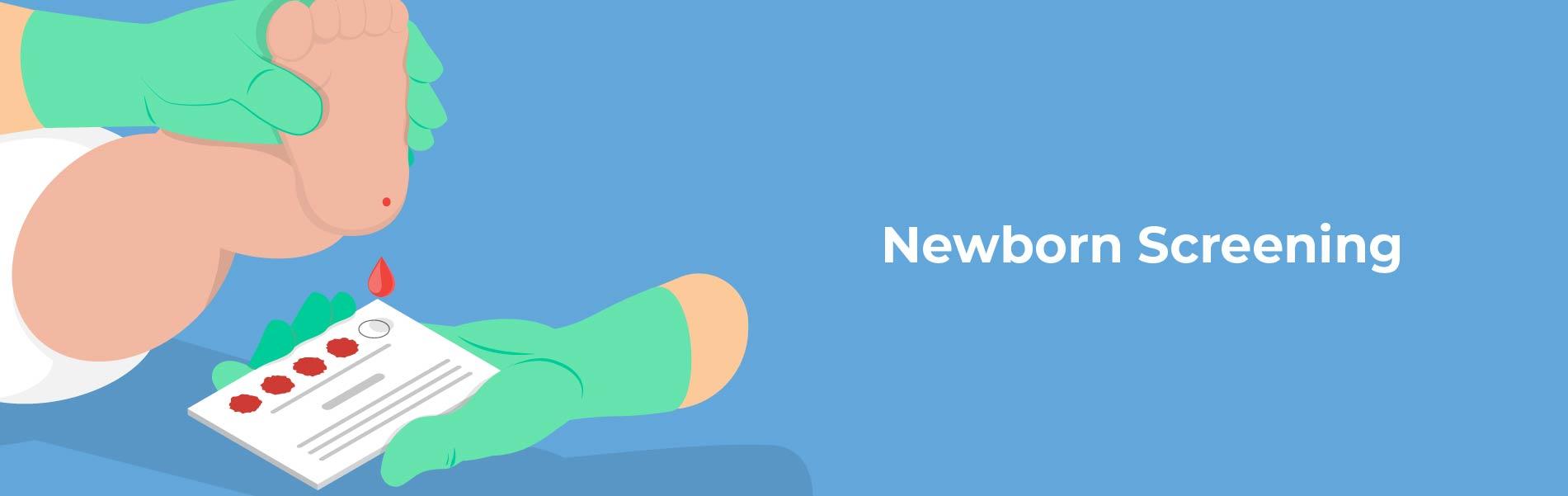
A health care worker gently pricks the baby’s heel. A few drops of blood are placed on a special paper card and sent to a laboratory.
The laboratory may screen for conditions such as:
• Phenylketonuria, also called PKU
• Congenital hypothyroidism
• Sickle cell disease
• Cystic fibrosis
• Severe combined immunodeficiency, or SCID
• Certain fatty acid oxidation disorders
• Some amino acid disorders
• Other inherited metabolic conditions
The exact panel depends on the state. Some states screen for dozens of conditions.
The test is quick. A baby may cry briefly because of the heel prick, but the discomfort usually ends soon. Feeding, skin-to-skin contact, and gentle holding may help calm the baby.
2. Newborn Hearing Screening
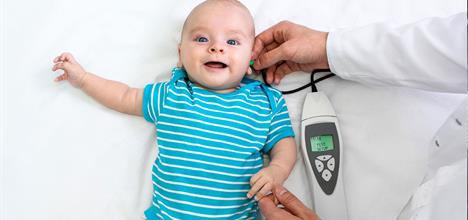
Hearing screening checks how a baby’s inner ear and hearing pathway respond to soft sounds. It does not hurt and can often be done while the baby sleeps.
Two common methods are:
• Otoacoustic emissions, or OAE, which measure sounds made by the inner ear
• Automated auditory brainstem response, or AABR, which measures how the hearing nerve responds to sound
A baby may receive a “pass” or “refer” result. “Refer” does not mean the baby has permanent hearing loss. Fluid in the ear, movement, background noise, or temporary blockage can affect the result.
3. Pulse Oximetry Screening
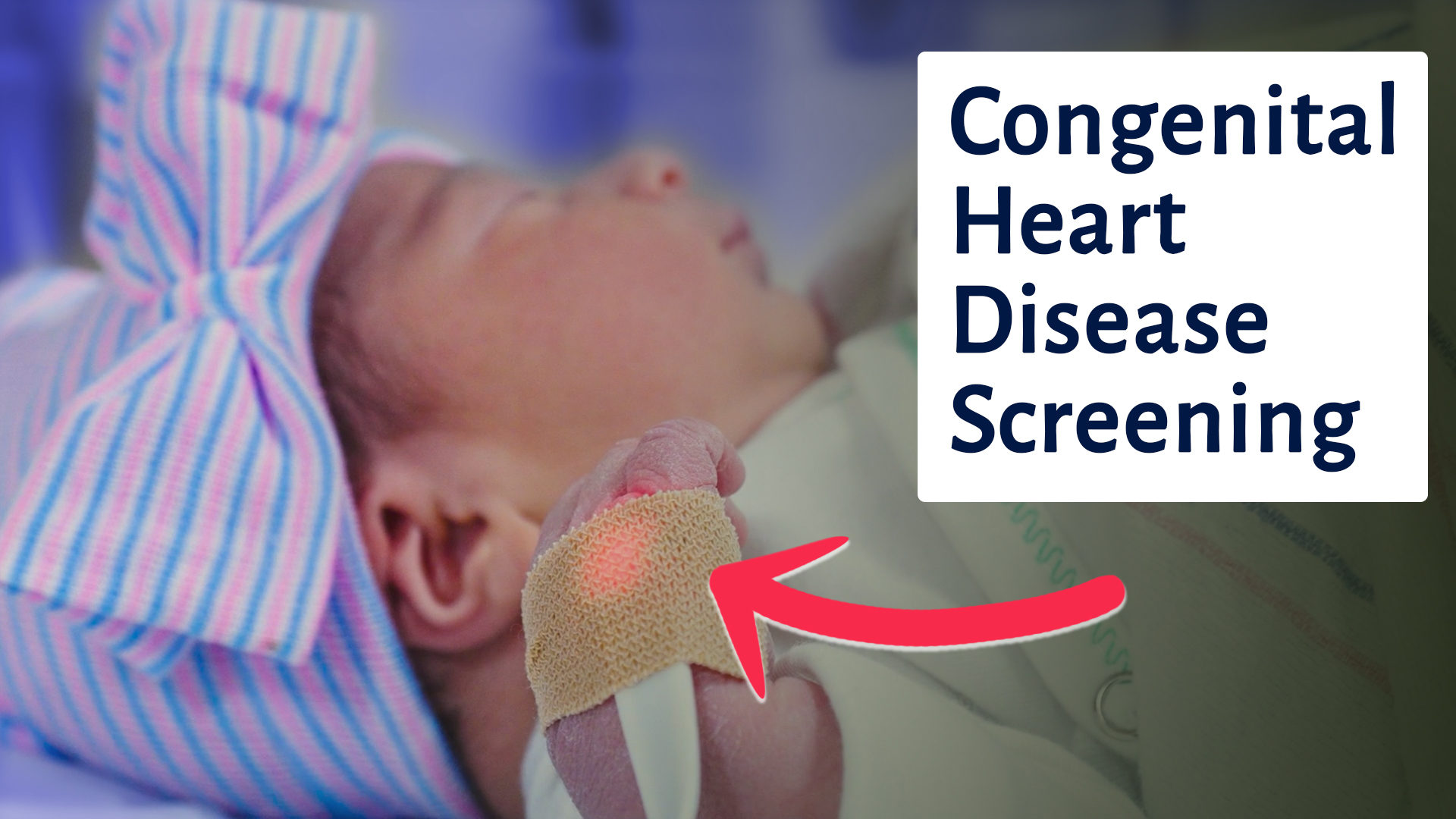
Pulse oximetry uses a small sensor placed on the baby’s hand or foot. It measures oxygen levels in the blood and can help detect certain critical congenital heart defects.
The test takes only a few minutes. It is painless and does not involve needles.
A low reading may happen for several reasons. The baby may have a heart problem, breathing difficulty, infection, or another condition. A health care team will decide whether more tests, such as an echocardiogram, are needed.
When Are Newborn Screening Tests Done?
Timing is an important part of newborn screening tests explained for parents. Blood spot screening is often done between 24 and 48 hours after birth.
Testing too early can sometimes produce an incomplete or less reliable result. If a baby leaves the hospital before 24 hours, the health care provider may ask for a repeat blood test later.
Hearing and pulse oximetry screening are often done before hospital discharge. Babies born at home, in a birth center, or in another setting may receive instructions for completing the tests through a pediatric office, hospital, or public health program.
A repeat test may be needed when:
• The first blood sample was collected too early
• The sample was too small or damaged
• The baby received a blood transfusion
• The baby was born very early
• The baby spent time in intensive care
• The hearing screen gave a “refer” result
• The oxygen reading was unclear
A repeat test does not automatically mean something is wrong. It often means the first test did not provide enough information.

What Happens During the Heel-Stick Test?
The heel-stick test can feel more upsetting to parents than to the baby. The health care worker warms or holds the heel, cleans the skin, and uses a small lancet to collect blood.
The blood is placed on several circles on a filter paper card. The card usually includes information such as the baby’s name, birth date, birth weight, feeding details, and the time of collection.
Parents can make the process easier by:
• Holding the baby close
• Offering breast milk or a bottle, if allowed
• Using skin-to-skin contact
• Swaddling the baby after the sample
• Asking the nurse to explain each step
• Staying calm and speaking softly
The heel may look red for a short time. Serious problems from the blood spot collection are uncommon.
One practical lesson from many newborn care cases is that parents often worry when the baby cries during the heel stick. Crying is a normal response and does not mean the test harmed the baby. The brief discomfort helps provide information that may protect the child for years.
How to Understand Newborn Screening Results
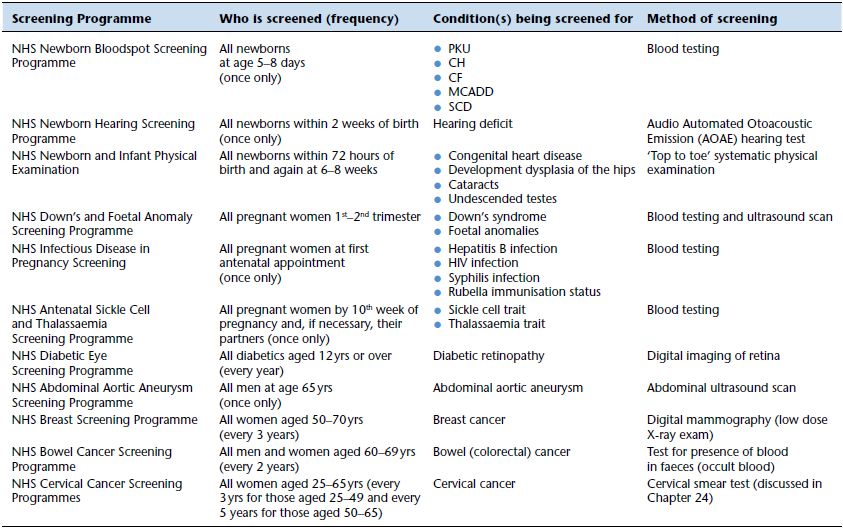
Newborn screening results may be reported as “normal,” “out of range,” “pass,” or “refer.” The wording depends on the test and the state program.
A normal blood screening result means the laboratory did not find signs of the conditions included in the panel. It does not guarantee that the baby has no health problems. No screening test can detect every disease.
A “pass” hearing result means the baby responded as expected during that screening. It does not rule out all future hearing changes.
An “out of range” blood result means the baby needs more testing. It does not confirm a diagnosis. A “refer” hearing result means the baby needs another hearing screen or a complete hearing evaluation.
If a result needs follow-up, act quickly but do not panic. Most babies who need repeat screening do not turn out to have a serious disorder. Still, delays can be risky when a true condition is present.
Parents should:
- Ask which test needs follow-up.
- Ask when the next test should happen.
- Confirm the clinic’s phone number and appointment details.
- Keep the follow-up appointment even if the baby seems well.
- Ask how and when final results will be shared.

What Causes a False-Positive Screening Result?
A false-positive result means the screening suggests a possible problem, but later testing shows that the baby is healthy.
False positives can happen because:
• The blood sample was collected too early
• The baby was premature
• The baby was sick at the time of testing
• The baby had not fed normally
• The sample was contaminated or too small
• The baby received a transfusion
• Normal newborn changes affected the result
Newborn screening tests explained accurately must include this limitation. Screening tests are designed to catch possible cases, so they often favor sensitivity over certainty. This approach can lead to more follow-up tests, but it reduces the chance of missing a serious condition.
A positive screen should be treated as a request for confirmation, not as a final diagnosis. The next step may include another blood sample, a urine test, genetic testing, a hearing evaluation, or a visit with a specialist.

What If a Baby Does Not Pass the Screening?
A baby who does not pass a screen needs timely follow-up. The next step depends on which test produced the result.
For a blood test, the provider may collect another sample or order diagnostic tests. For a hearing screen, the baby may need a repeat screen or a full evaluation with a pediatric audiologist. For pulse oximetry, the care team may repeat the oxygen reading and examine the baby.
Parents should not wait for symptoms. Some screened conditions cause no obvious signs during the first days or weeks of life.
Call the baby’s health care provider promptly if the baby has signs such as:
• Trouble breathing
• Blue or gray lips or skin
• Poor feeding
• Repeated vomiting
• Extreme sleepiness
• Weak crying
• Fever or unusual low temperature
• Few wet diapers
• Seizure-like movements
These symptoms require medical attention whether or not screening results are available.

How Accurate Are Newborn Screening Tests?
Newborn screening tests are useful, but they are not perfect. Accuracy depends on the condition, the test method, the timing, and the quality of the sample.
A screening test may miss a condition. This is called a false negative. A baby may also have an abnormal result even when no disease is present. This is called a false positive.
Factors that can affect results include:
• Prematurity
• Low birth weight
• Early testing
• Blood transfusion
• Total parenteral nutrition
• Certain medicines
• Illness
• Improper sample collection
Because of these limits, screening is only the first step. Diagnostic testing is needed to confirm or rule out a condition.
The Centers for Disease Control and Prevention, the American Academy of Pediatrics, the Health Resources and Services Administration, and state public health programs provide guidance on newborn screening. These groups also stress the importance of prompt follow-up.
Are Newborn Screening Tests Required?
Rules vary by state. Most states have laws or policies that require newborn screening, but parents may have a right to decline for religious or personal reasons.
Before making a decision, ask the hospital or pediatrician:
• Which conditions does the state screen for?
• What are the benefits of early detection?
• What are the risks of refusing or delaying testing?
• How are blood samples stored or used?
• What follow-up care is available?
The blood spot card may be stored for a period set by state policy. Policies about storage, research use, and destruction differ. Parents who have privacy concerns should ask for the written policy rather than rely on assumptions.
In practice, most health experts support screening because it can identify rare but serious conditions before symptoms appear. Parents deserve clear information and respectful answers when making health decisions for their baby.
How Much Do Newborn Screening Tests Cost?
The cost depends on the state, hospital, insurance plan, and the type of screening. Some programs include the tests in the hospital birth fee. Others charge a separate fee.
Insurance often covers standard newborn screening, but families should check their plan. Public programs may help families who do not have insurance.
Follow-up testing may have separate costs. Ask the provider about:
• The screening fee
• The cost of repeat testing
• Insurance coverage
• Financial assistance
• Transportation support
• Public health clinic options
Do not delay needed follow-up because of cost concerns. A pediatric office, hospital social worker, or state health department may help find lower-cost services.
What Parents Should Ask Before Leaving the Hospital
Before discharge, parents should know whether all recommended newborn screening tests were completed. They should also know who will contact them and how to schedule follow-up.
Use this checklist:
• Was the blood spot sample collected?
• Was the hearing screen completed?
• Was pulse oximetry completed?
• Did each test receive a pass, normal, refer, or repeat result?
• Is another test needed?
• Who will call with the results?
• When should the baby see a pediatrician?
• Does the baby need a repeat test because of early discharge or prematurity?
• How can the family access test records?
Keep the hospital paperwork in a safe place. Bring it to the baby’s first pediatric visit.
A common mistake is assuming that “no phone call” means every result was normal. Communication systems can fail, especially when families move, change phone numbers, or leave the hospital quickly. Parents should ask for results directly.
Newborn Screening Tests Explained for Premature Babies
Premature babies may need special follow-up. Their body systems are still developing, and some screening results may be harder to interpret.
A premature baby may need repeat blood spot screening because of:
• Early testing
• Low birth weight
• Transfusion
• Intensive care treatment
• Intravenous nutrition
• Immature thyroid or liver function
The hospital team should give parents a clear plan before discharge. This plan may include repeat blood tests, hearing checks, oxygen monitoring, or specialist visits.
Parents of premature babies often manage many appointments at once. Write each appointment on a calendar and ask the care team to explain which tests are urgent. A simple written plan can reduce stress and prevent missed follow-up.
Newborn Screening and Genetic Conditions
Some newborn screening tests look for inherited conditions. These conditions can run in families, but a baby may still have one even when no relative has a known diagnosis.
A screening result does not tell parents whether they caused a condition. It also does not predict every trait, illness, or developmental outcome.
If a result suggests a genetic or metabolic condition, a specialist may recommend:
• Confirmatory blood tests
• Urine testing
• Enzyme testing
• Genetic testing
• A detailed family history
• Diet or medicine changes
• Genetic counseling
Genetic counseling can help families understand what a result means, what it does not mean, and whether other relatives may need testing.
This is another reason newborn screening tests explained with care should avoid alarming language. A screening result is information that guides the next step, not a label placed on the child.
Frequently Asked Questions About Newborn Screening Tests Explained
What are newborn screening tests?
Newborn screening tests check babies for certain serious conditions soon after birth. They usually include a blood spot test, hearing screening, and pulse oximetry for critical heart defects.
When are newborn screening tests done?
The blood spot test is often done between 24 and 48 hours after birth. Hearing and pulse oximetry screening are commonly completed before hospital discharge, although timing can vary.
Does a newborn screening test hurt?
The heel-stick blood test may cause brief discomfort and crying. Hearing screening and pulse oximetry are painless.
What does it mean if a baby does not pass newborn screening?
It means the baby needs another screen or more testing. It does not confirm that the baby has a disease or permanent hearing loss.
Can newborn screening tests miss a condition?
Yes. Screening tests are not perfect and may produce false-negative or false-positive results. Parents should still attend regular pediatric visits and report concerning symptoms.
Why might a newborn need repeat screening?
Repeat testing may be needed because the first sample was collected too early, was too small, or was affected by prematurity, illness, or a blood transfusion. A repeat test is common and does not always signal a problem.
Do all states screen for the same conditions?
No. State programs set their own screening panels, so the list of conditions may differ. Parents can ask their hospital or state health department for the current list.
How do parents get newborn screening results?
The hospital, pediatrician, or state screening program usually shares results. Parents should ask directly before discharge and confirm the best phone number and mailing address.
Conclusion
Newborn screening tests explained in clear terms are simple checks with an important purpose. A heel-stick blood test, hearing screen, and pulse oximetry test can identify hidden problems early, when treatment may make the greatest difference.
A result that needs follow-up is not a diagnosis, but it should never be ignored. Ask questions, keep every appointment, and request help if cost, transportation, or unclear instructions create a barrier.
Save this guide for your baby’s first medical visits, share it with another new parent, and speak with your pediatrician or state screening program to learn which tests apply to your family.