Baby early waking patterns often reflect normal sleep rhythms, light exposure, naps, hunger, or a schedule that needs a small adjustment.
Baby early waking patterns can be tiring and confusing, especially when your baby wakes at 4 or 5 a.m. every day. As a sleep-focused guide, I’ll explain what these patterns mean, why they happen, and which gentle steps may help. You will also learn when early waking is normal and when it may signal hunger, illness, discomfort, or another concern.
What Are Baby Early Waking Patterns?
Baby early waking patterns are repeated wake-ups that happen earlier than your family’s desired morning time. Many parents call anything before 6 a.m. “early,” but babies have different sleep needs at each age.
A baby who wakes at 5:45 a.m. cheerful and ready to start the day may simply have a normal sleep schedule. A baby who wakes at 4:30 a.m. crying every morning may need help with feeding, comfort, naps, or sleep timing.
These patterns can last for a few days or several weeks. They may also change as your baby grows, learns new skills, starts solid foods, or moves through a nap transition.
Baby early waking patterns are not always a sign that something is wrong. Think of sleep like a wave. Sleep pressure is often lower in the early morning, so small issues that do not disturb your baby at midnight may wake them at 5 a.m.

What Early Waking Is Normal by Age?
Sleep needs vary. The ranges below are general guides, not strict rules. Your baby’s mood, growth, feeding, and health matter as much as the clock.
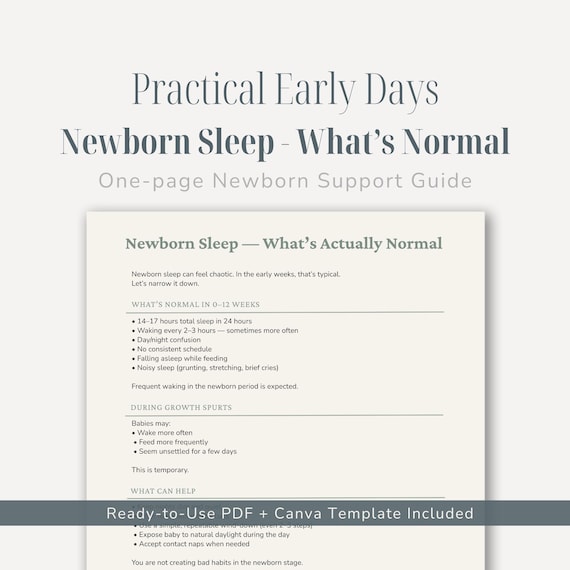
Newborns from birth to 3 months
Newborns often wake every two to four hours. Their body clocks are still developing, and they may not know the difference between day and night.
An early morning wake-up is usually normal at this stage. Newborn sleep is shaped by feeding needs more than by a fixed schedule.
Babies from 4 to 6 months
Many babies begin to develop a clearer day and night rhythm. Some may sleep for a longer stretch at night, but early waking can still happen.
A wake-up between 5 and 6 a.m. may be normal. A wake-up at 3 or 4 a.m. may relate to hunger, poor sleep habits, discomfort, or a need for support between sleep cycles.
Babies from 7 to 12 months
Babies in this age group often sleep about 12 to 16 hours in 24 hours, including naps, according to pediatric sleep guidance. Many take two naps, though some begin moving toward one nap near the end of the first year.
Baby early waking patterns may appear during crawling, standing, separation anxiety, teething, or changes in feeding.
Toddlers from 12 months and older
Toddlers often need about 11 to 14 hours of sleep in 24 hours, including naps. A nap that is too late, too long, or too close to bedtime may lead to early waking.
An early start can also become a habit. If your toddler receives exciting attention, screen time, or breakfast at 5 a.m., their body may begin to expect it.
 patterns”
style=”max-width: 100%; height: auto; border: 2px solid black; border-radius: 10px; display: block; margin: 0 auto;”
loading=”lazy”
/>
Common Causes of Baby Early Waking patterns
there is rarely one cause. Early waking often comes from several small factors working together.
Your baby’s body clock
The circadian rhythm helps control sleep and wake time. Morning light, feeding, movement, and social activity all tell the body that the day has begun.
If sunlight enters the room at 5 a.m., the body may release signals that support waking. Even a small amount of light can matter to some babies.
Hunger or changing feeding needs
Young babies may wake early because they need milk. Growth spurts can also increase hunger for a short time.
Older babies may wake from habit rather than true hunger. Do not remove night feeds without discussing it with your pediatrician, especially if your baby is young, has slow weight gain, or has medical needs.
Too much daytime sleep
A baby who sleeps for long periods during the day may have less sleep pressure at night. This can lead to a wide-awake start in the early morning.
The answer is not always to cut naps. Overtired babies may also wake early because stress hormones make sleep lighter. The goal is a balanced schedule.
Too little daytime sleep
A baby who misses a nap may become overtired. Overtiredness can make it harder to settle and stay asleep during the last part of the night.
This is one of the most common misunderstandings about baby early waking patterns. Many parents push bedtime later, hoping the baby will sleep later. For some babies, a later bedtime makes early waking worse.
Bedtime timing
A bedtime that is too early may cause your baby to finish their night before your preferred wake time. A bedtime that is too late may create overtiredness.
Small changes work best. Move bedtime by 10 to 15 minutes and watch the pattern for several nights before making another change.
The sleep environment
Early morning sleep is often light. Noise, light, temperature, wet diapers, congestion, or a sibling can wake a baby more easily at 5 a.m.
Check the room for:
• Bright sunlight around the curtains
• Street noise, pets, or household activity
• A room that feels too warm or too cold
• A wet or soiled diaper
• Clothing that is too tight or uncomfortable
• A sleep space that does not follow current safe sleep guidance
Developmental changes
New skills can disturb sleep. Babies may practice rolling, sitting, crawling, pulling up, or babbling in the early morning.
Separation anxiety can also cause crying after a normal sleep cycle. These phases often improve when the new skill becomes familiar.
Illness or discomfort
A stuffy nose, reflux symptoms, eczema, ear pain, fever, constipation, or teething discomfort may affect sleep. Teething is sometimes blamed for every sleep problem, but severe or ongoing symptoms deserve a medical review.

How to Find the Cause of Early Waking
Do not change everything at once. A simple sleep log can help you see patterns without guessing.
Record these details for five to seven days:
• Morning wake time
• Night wakes and feeds
• Nap start and end times
• Bedtime routine and sleep time
• Meals and milk feeds
• Room light and noise
• Signs of illness or discomfort
• Your baby’s mood after waking
Look for repeated links. For example, you may notice that early waking follows a very long afternoon nap. Or you may see that your baby wakes early only when the room becomes bright.
Also check whether your baby is truly awake. Some babies grunt, babble, or move while still asleep. Wait briefly before responding if your baby is safe and not distressed. A short pause can prevent a light sleep sound from becoming a full wake-up.
Use your baby’s behavior as a guide. A happy baby may be ready for the day. A crying baby who rubs their eyes may still need sleep or comfort.

A Gentle Plan to Improve Baby Early Waking Patterns
A calm plan is usually more useful than a strict clock. Try the steps below for at least several days unless your baby seems ill or distressed.
1. Choose a reasonable morning time
Pick a starting time, such as 6 a.m. Before that time, keep the room dark and your response quiet.
You do not need to ignore your baby. Meet feeding and comfort needs. Simply avoid turning the wake-up into a bright, active morning.
2. Keep the room dark
Use blackout shades or curtains if safe and practical. Cover gaps where light enters, and keep the sleep space free from loose items.
Never place loose blankets, pillows, or curtain cords in the crib. Follow safe sleep advice: place babies on their backs on a firm, flat sleep surface with no soft bedding.
3. Use steady background sound
A low, steady sound may mask early traffic, birds, or household noise. Keep the device far from the crib, use a low volume, and follow local safety guidance.
A sound machine should not replace a safe sleep space. It is only an environmental tool.
4. Review the nap schedule
Look at total daytime sleep and the timing of the final nap. Avoid sudden, large changes.
If your baby takes two naps, the second nap may need to end early enough to protect bedtime sleep. If your baby is clearly overtired, reducing naps may make the problem worse.
5. Protect a calm bedtime
Use the same short routine each night. For example:
-
Dim the lights.
-
Change the diaper.
-
Put on pajamas.
-
Read a short book.
-
Feed as needed.
-
Sing or cuddle.
-
Place your baby in the sleep space.
A repeated routine acts like a road sign. It tells the brain that sleep is coming.
6. Respond consistently
Choose a response that fits your family and your baby’s age. You may offer a brief check, gentle touch, feeding, or quiet reassurance.
Consistency matters more than perfection. Changing the response every morning can make the pattern harder to understand for both of you.
7. Shift the schedule slowly
If bedtime seems too early or too late, adjust it by 10 to 15 minutes every few nights. Watch your baby’s mood and sleep quality.
Do not expect an instant result. Baby early waking patterns often need a week or more of steady support before the trend becomes clear.

Mistakes That Can Make Early Waking Worse
Parents often try reasonable solutions that backfire. This does not mean you have done anything wrong. Sleep problems are easy to misread when you are tired.
Making bedtime much later
A later bedtime does not guarantee a later morning. An overtired baby may sleep lightly and wake earlier.
A better approach is to check the full 24-hour schedule first.
Turning 5 a.m. into daytime
Bright lights, loud play, television, and a full breakfast can strengthen early waking. If your family wants a later start, keep pre-morning care boring and calm.
This does not mean leaving a hungry baby without help. Feed your baby when needed, but keep the setting quiet.
Cutting naps too fast
Reducing naps sharply may create overtiredness. Make one small change at a time and observe the result.
Babies need enough total sleep for healthy growth, learning, mood, and development.
Using food as the only solution
A small snack may help an older baby who is truly hungry, but food will not fix every early wake-up. Ask whether the baby also has a light, noise, nap, or bedtime issue.
Never add cereal to a bottle or use food to make a baby sleep longer unless your healthcare professional specifically advises it.
Assuming every early wake is a sleep-training problem
Some early waking is caused by illness, hunger, or developmental change. Sleep strategies cannot replace medical care.
Trust your observations. If your baby seems unwell, contact a pediatric professional.
When to Call a Pediatrician
Contact your pediatrician if early waking comes with signs of illness or poor well-being. Seek advice if your baby has:
• Fever, breathing trouble, or unusual sleepiness
• Poor feeding or fewer wet diapers
• Ongoing vomiting or diarrhea
• Poor weight gain
• Loud snoring, gasping, or pauses in breathing
• Persistent pain or inconsolable crying
• Severe congestion that affects feeding or sleep
• A sudden sleep change that does not improve after illness passes
A pediatrician can assess feeding, growth, breathing, reflux symptoms, allergies, and other health factors. If your baby snores often or seems to struggle to breathe during sleep, do not treat the issue as a simple schedule problem.
Sleep advice also has limits. General schedules cannot account for every baby, family, culture, or medical condition. Your healthcare professional can adapt guidance to your child.
A Real-Life Example of Early Morning Sleep
Consider a 9-month-old who wakes at 5 a.m. after sleeping from 7 p.m. The baby takes a long morning nap and a short late-afternoon nap. The room is bright at dawn, and a parent starts the day with lights, milk, and play.
Several factors may be reinforcing the pattern. The baby may already have completed enough night sleep, the late nap may reduce sleep pressure, and morning light may strengthen the body clock.
A gentle plan could include keeping the room dark, ending the late nap earlier, shifting bedtime slightly if needed, and keeping the period before 6 a.m. quiet. The family should then watch the pattern for several days rather than changing the plan each morning.
The lesson is simple: look at the whole day. Baby early waking patterns are often easier to understand when you connect bedtime, naps, feeds, light, and behavior.
Frequently Asked Questions About Baby Early Waking Patterns
Why does my baby wake at 5 a.m. every day?
A baby may wake at 5 a.m. because of normal circadian rhythm changes, hunger, light, noise, nap timing, or overtiredness. If your baby is happy and growing well, this may be a normal schedule rather than a problem.
Is 6 a.m. too early for a baby to wake?
For many babies, 6 a.m. is within a normal morning wake time. The best schedule depends on age, total sleep, naps, feeding, mood, and family needs.
Should I feed my baby during an early wake-up?
Young babies may need an early morning feed, and some older babies may still be hungry. Follow your pediatrician’s feeding advice, especially if your baby is under 6 months, has medical needs, or has concerns about weight gain.
Can a later bedtime stop early waking?
Sometimes a small bedtime adjustment helps, but a much later bedtime can cause overtiredness and make waking worse. Change bedtime slowly while also checking naps, light, noise, and feeding.
How long should I wait before responding to an early wake-up?
If your baby is safe and only making light sleep sounds, pause briefly to see whether they resettle. Respond right away if your baby is crying hard, seems hungry, is ill, or may be unsafe.
Do blackout curtains help with early waking?
Blackout curtains can reduce morning light, which may help some babies sleep longer. Use them safely, keep cords away from the crib, and remember that curtains will not fix hunger, illness, or an unsuitable schedule.
When do baby early waking patterns improve?
Many early waking phases improve when development, naps, feeding, and light exposure become more balanced. The timing varies, so focus on steady habits and seek medical advice when symptoms or growth concerns are present.
Conclusion
Baby early waking patterns are common and often have more than one cause. Hunger, body-clock changes, naps, bedtime, light, noise, discomfort, and new skills can all play a role.
Start with a simple sleep log, keep the room dark and calm, protect a steady routine, and make only small schedule changes. Most importantly, respond to your baby’s health and feeding needs rather than following a rigid clock.
Try one gentle adjustment for several days, then review what changed. If early waking comes with breathing problems, poor feeding, pain, or slow growth, contact your pediatrician. For more practical baby sleep guidance, explore trusted pediatric resources and share your family’s experience with other parents.
