Tummy time builds neck strength, motor skills, and helps prevent flat head in infants.
I have guided many new parents through tummy time routines and written practical plans that work. This tummy time benefits guide explains what tummy time does, when to start, safe methods, step-by-step routines, common questions, and my hands-on tips. Read on for clear, evidence-based advice and simple moves you can use today to help your baby grow strong and curious.

Why tummy time matters: core benefits explained
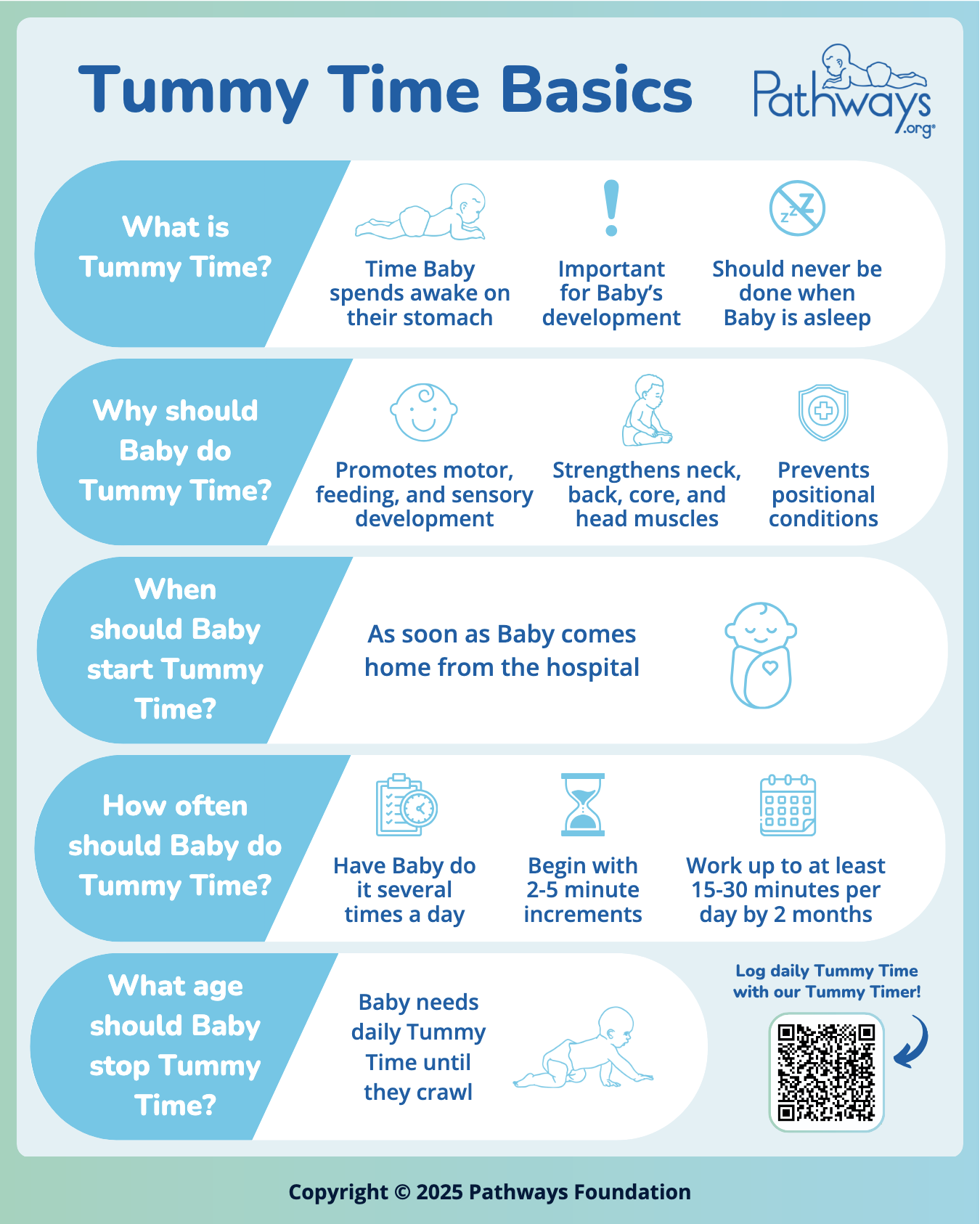
Tummy time helps babies learn to lift their heads. This builds neck and upper back strength needed for rolling and sitting. It reduces the risk of positional plagiocephaly, also called flat head. The tummy time benefits guide shows how short, regular sessions change development over weeks and months.
- Builds head control and neck strength within weeks.
- Encourages arm pushing and early crawling motions.
- Improves visual tracking and hand-eye coordination.
- Reduces pressure on the back of the skull to help shape the head.
:max_bytes(150000):strip_icc()/VWH-DanieDrankwalter-TummyTime-Standard-4842ee7d3e0941fabcf567120cc4706b.jpg)
When to start and how often
Start tummy time from day one for short periods while the baby is awake and alert. Aim for several brief sessions each day. Work up to a total of 20 to 60 minutes daily by 2 to 3 months, depending on baby tolerance. This tummy time benefits guide gives sample timing and progression you can follow.
- Newborns: 1–3 minutes, several times a day, supervised closely.
- 1 to 2 months: 5–10 minutes per session, build tolerance.
- 3 to 6 months: Work toward 3–5 sessions daily, total 20–60 minutes.

How to do tummy time: safe step-by-step routines
Place baby on a clean, firm surface on their stomach. Use a rolled towel under the chest for support during early sessions if needed. Engage with your baby at eye level using toys, mirrors, or your face. The tummy time benefits guide includes games and props to make sessions fun.
- Floor play: Lay a play mat and lie face-to-face with baby for encouragement.
- Lap hold: Place baby on your thighs while you sit and gently rock.
- Propped start: Put a small rolled towel under the chest for a short boost.
- Toy motivation: Use a bright toy or soft sound to encourage lifting and reaching.

Safety, signs to stop, and precautions
Always supervise tummy time. Stop if baby becomes very upset or shows breathing trouble. Never do tummy time on soft surfaces like beds or couches when unsupervised. This tummy time benefits guide stresses safe surfaces and when to seek help.
- Supervision: Watch baby closely; be within arm’s reach.
- Timing: Do tummy time when baby is awake and not right after feeding.
- Environment: Use firm surfaces and remove loose bedding or pillows.
- When to ask a clinician: If head control does not improve or baby has tight neck muscles.

Common challenges and simple fixes
Babies often resist tummy time at first. Short, frequent sessions and caregiver involvement ease the process. Try different positions, soothing songs, or a mirror to spark interest. The tummy time benefits guide offers easy fixes to common struggles.
- If baby fusses: Start with 30-second sessions and slowly lengthen.
- If baby falls asleep: Move to a safe sleep routine instead and try tummy time earlier.
- If baby dislikes floor: Use a lap or change the toy to something noisy or textured.
Developmental milestones supported by tummy time
Tummy time helps reach milestones such as head control, rolling, sitting, and crawling. Improved upper body strength and coordination speed up the transition to independent sitting. This tummy time benefits guide links simple activities to specific milestone gains.
- 0–3 months: Strengthens neck and head control.
- 3–6 months: Encourages rolling and pushing up on arms.
- 6–9 months: Supports sitting and early crawling mechanics.

Personal experience and real-life tips
I worked with new parents who turned five one-minute sessions into a daily ritual. One family used a favorite song and a small mirror and saw steady progress in two weeks. My key lessons: be consistent, keep sessions short, and make it fun. The tummy time benefits guide reflects these lessons to help families stay calm and confident.
- Make it routine: Add tummy time after diaper changes or play breaks.
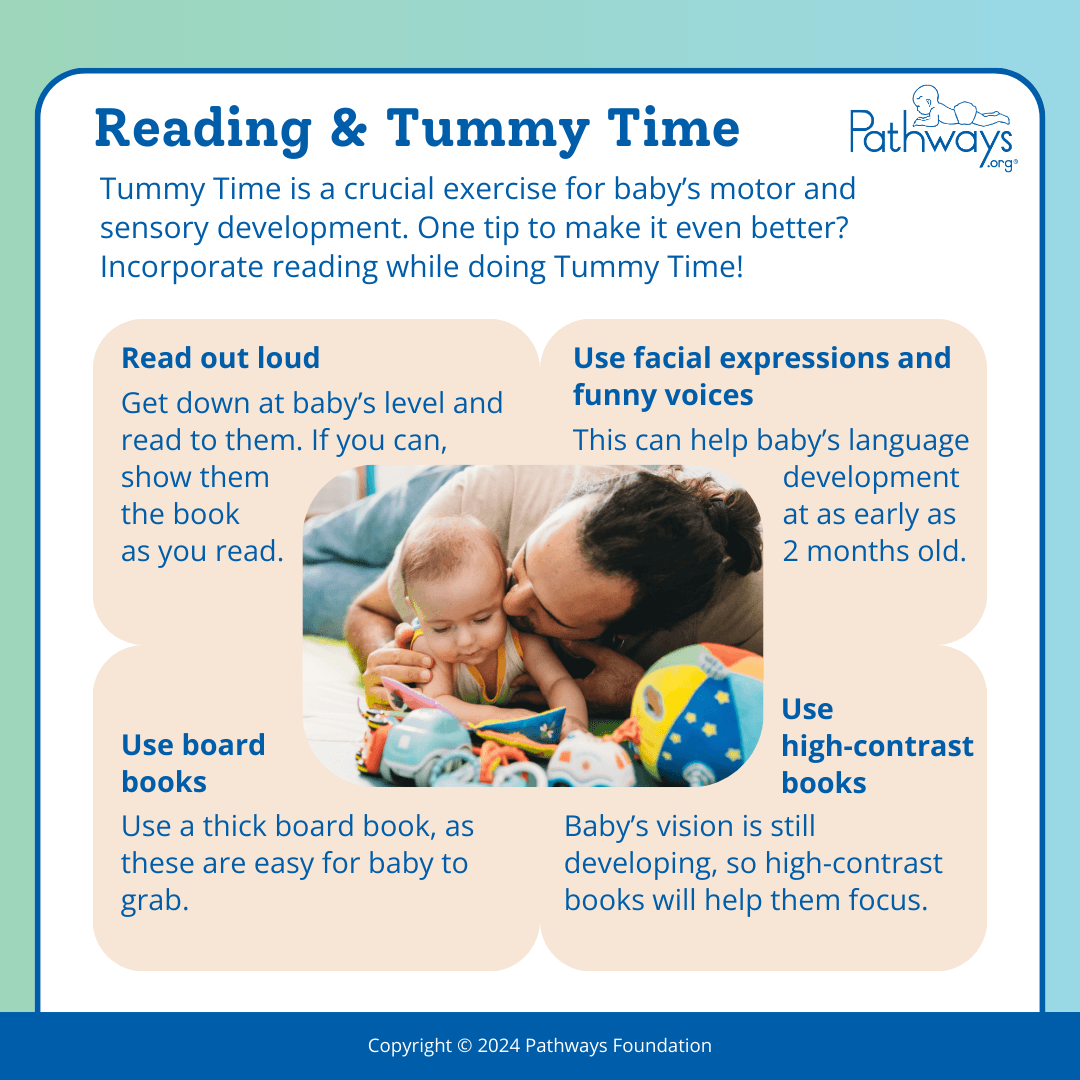
- Keep it playful: Use toys, faces, and voices to engage baby.
- Track progress: Note small wins to stay motivated.
When to get professional help
If your baby has persistent neck tightness, uneven head shape, or delayed head control, consult a pediatrician or therapist. Early assessment can identify torticollis or other issues that benefit from targeted therapy. This tummy time benefits guide recommends early review so you can adapt sessions safely.
- Seek help if baby cannot lift head by 3 months.
- Ask a clinician about concerns with skull shape or motion.
- Get a tailored plan if baby has medical conditions or prematurity.

Quick routines you can use today
Try these simple daily routines that fit busy life and help build strength fast. Each routine is short and easy to repeat.
- 1-minute starts: Five 1-minute sessions across the day for newborns.
- 5-minute play: One 5-minute focused session with toys for 1–2 month olds.
- 10-minute mix: Two or three 10-minute sessions that mix floor play and lap holds for older infants.
Frequently Asked Questions of tummy time benefits guide
What is tummy time and why is it important?
Tummy time means placing a baby on their stomach while awake and supervised. It helps build neck, shoulder, and upper body strength needed for rolling and sitting.
How long should tummy time sessions be?
Start with very short sessions of 30 seconds to a few minutes and increase as baby tolerates. Aim for a total of 20 to 60 minutes per day by 2–3 months.
Can tummy time prevent flat head syndrome?
Yes. Regular tummy time reduces pressure on the back of the skull and lowers the chance of positional flat head. Combined with varied sleep positions and supervised play, it helps skull shape.
What if my baby hates tummy time?
Try shorter sessions, different positions, and more caregiver interaction. Use lap holds, mirrors, and toys to make it fun and slowly build tolerance.
When should I call a doctor about tummy time progress?
Contact a pediatrician if your baby shows no head control by 3 months, has an uneven neck, or shows persistent discomfort. Early advice can help correct issues faster.
Conclusion
Tummy time is a simple, powerful habit that builds strength, prevents flat head, and supports key milestones. Use short, frequent sessions, make play fun, and check in with your clinician if you worry. Try one new routine this week and track small wins to keep going. If this tummy time benefits guide helped, share your story, subscribe for more tips, or leave a comment below.