Baby sleep regression signs include sudden night wakings, shorter naps, fussiness, and frequent feeding.
I have worked with new parents and early-childhood caregivers for years, helping families decode sleep patterns and tackle disruptions. This article explains baby sleep regression signs clearly, why they happen, what to expect at different ages, and practical steps you can try tonight to get better sleep for your baby and for you. Read on for proven tips, real-life examples, and easy-to-follow strategies grounded in experience and pediatric guidance.
What is baby sleep regression?
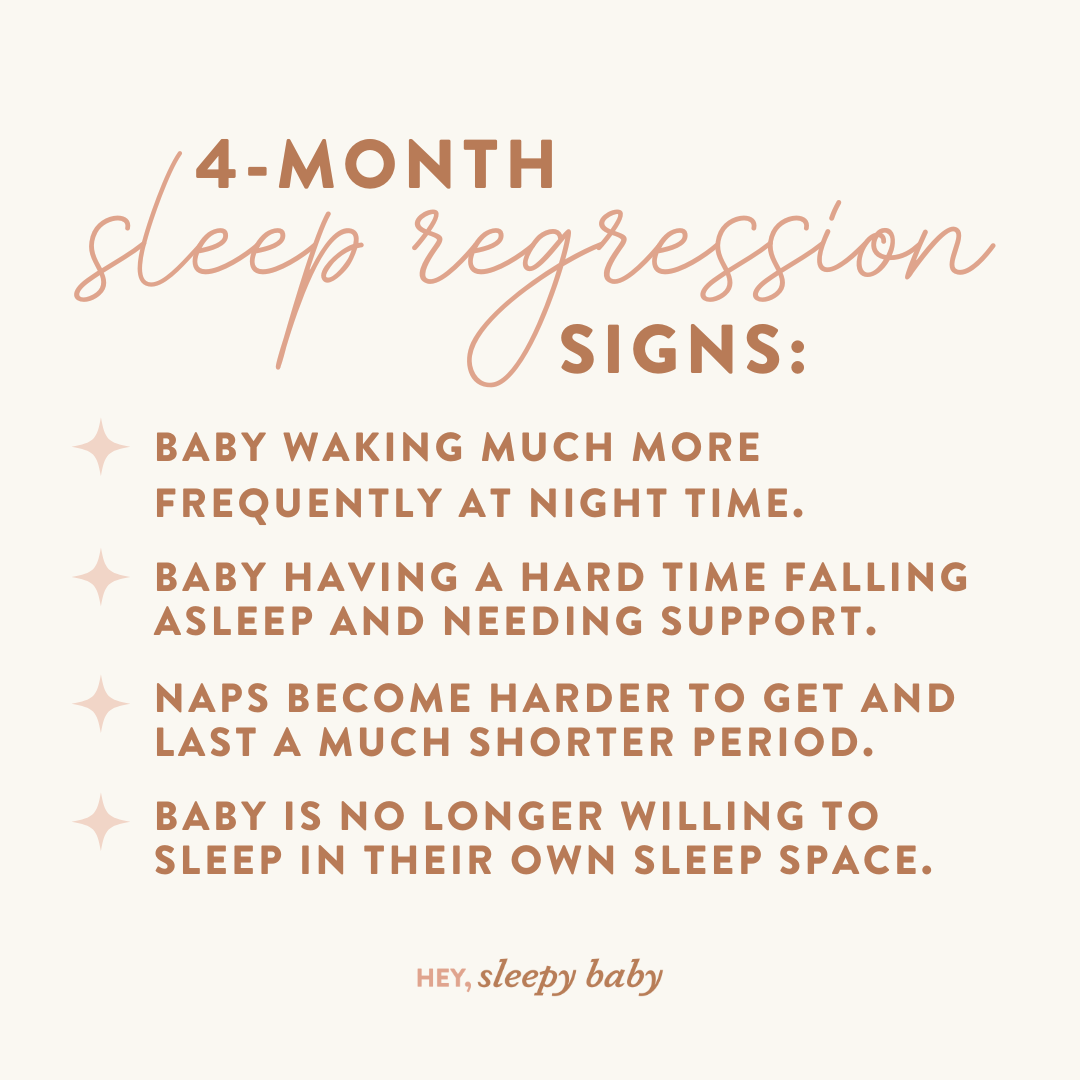
Baby sleep regression signs are behavioral changes that show your child’s sleep is temporarily disrupted. These signs often look like a sudden return to frequent night wakings, shorter naps, or more fussiness at bedtime. Sleep regression is usually a normal phase tied to growth, brain development, or routine changes, not a permanent problem.

Common ages and timelines for baby sleep regression
Parents often ask when baby sleep regression signs typically appear. While every child is unique, there are common windows when regressions are more likely.
- 4 months
- This is one of the most commonly reported times for baby sleep regression signs. Sleep architecture changes and babies learn to cycle through light and deep sleep differently.
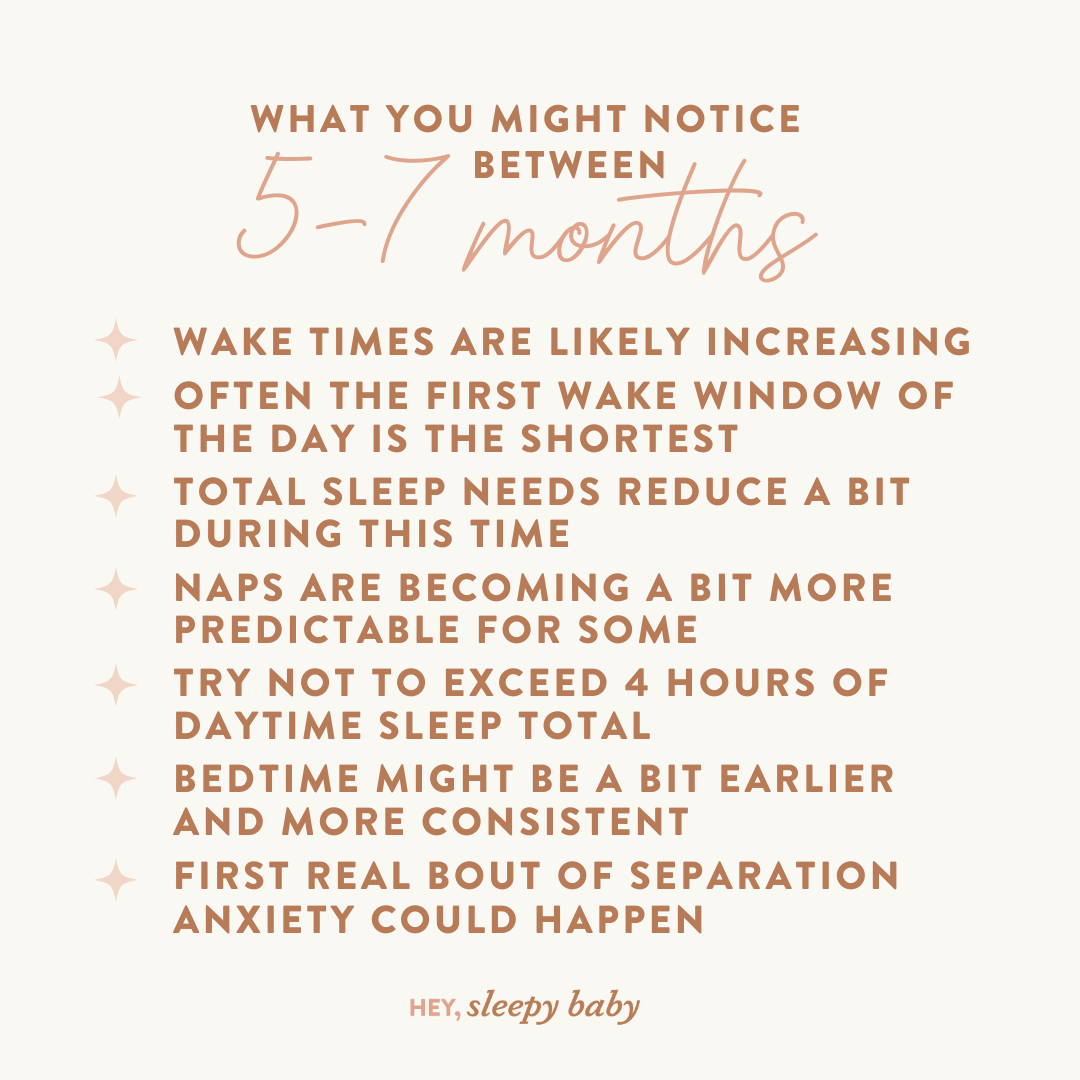
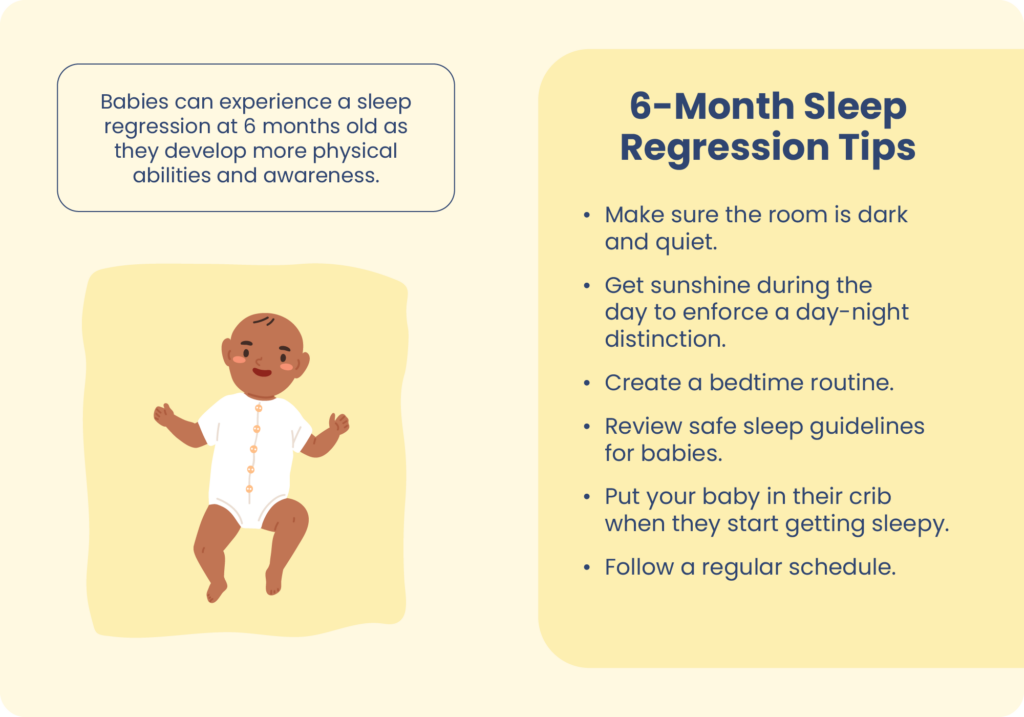
- 6 months
- Increased mobility and new milestones can bring back night wakings and nap resistance.
- 8 to 10 months
- Separation anxiety peaks for many babies, which often shows up as clinginess and trouble falling asleep alone.
- 12 months
- Transitions like weaning or changing nap schedules can cause new baby sleep regression signs.
- 18 months and 2 years
- Toddlers may resist sleep due to independence, language leaps, or bedtime stalling.
Each episode can last from a few days to several weeks. Expect variability based on temperament and environment.

Key baby sleep regression signs to watch for
Recognizing baby sleep regression signs early helps you respond calmly. Watch for these common indicators.
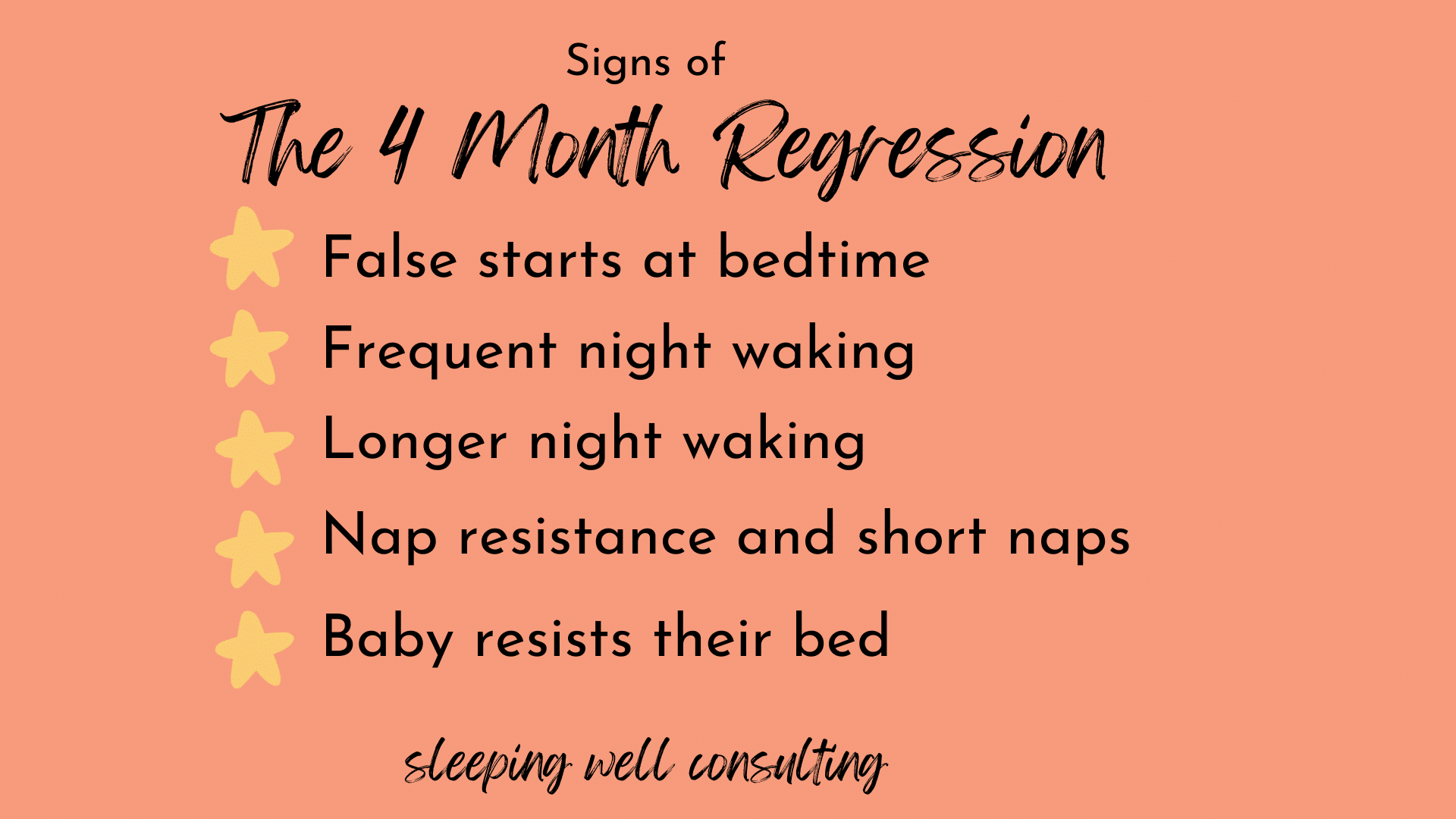
- Increased night wakings
- Your baby suddenly wakes more often or can’t self-soothe back to sleep.
- Shorter naps or skipping naps
- Naps become more fragmented or shorter than usual.
- Longer time to fall asleep
- Bedtime takes longer and your baby fights sleep or cries more.
- Greater daytime fussiness
- Mood changes, more crying, and less tolerance for routine changes.
- Increased clinginess or separation anxiety
- Your baby wants more physical contact and struggles when you leave the room.
- Changes in feeding patterns
- More frequent night feeds or increased hunger during the day.
- Motor or developmental bursts
- Rolling, crawling, standing, or new sounds coincide with sleep disruption.
Spotting several signs together strengthens the case for a regression rather than an isolated sleep hiccup.
Why sleep regressions happen
Understanding causes helps reduce stress and find targeted fixes. Multiple factors drive baby sleep regression signs.
- Developmental growth
- Brain maturation changes how babies sleep. New neural pathways can alter sleep cycles.
- Milestones and motor skills
- Rolling, crawling, and pulling up can disrupt sleep as babies practice new skills.
- Separation anxiety
- Growing social awareness makes being apart from caregivers more upsetting.
- Teething
- Pain and discomfort from teething often cause night waking and fussiness.
- Illness or discomfort
- Sickness, reflux, or ear infections can temporarily change sleep patterns.
- Changes in routine or environment
- Travel, moving rooms, or daylight savings can trigger baby sleep regression signs.
- Sleep associations
- When babies rely on feeding or rocking to fall asleep, regressions make it harder to return to independent sleep.
Knowing the cause guides whether you use comfort, routine adjustments, or sleep-training techniques.

How to respond: practical strategies and routines
When you notice baby sleep regression signs, respond with calm consistency. Try these steps.
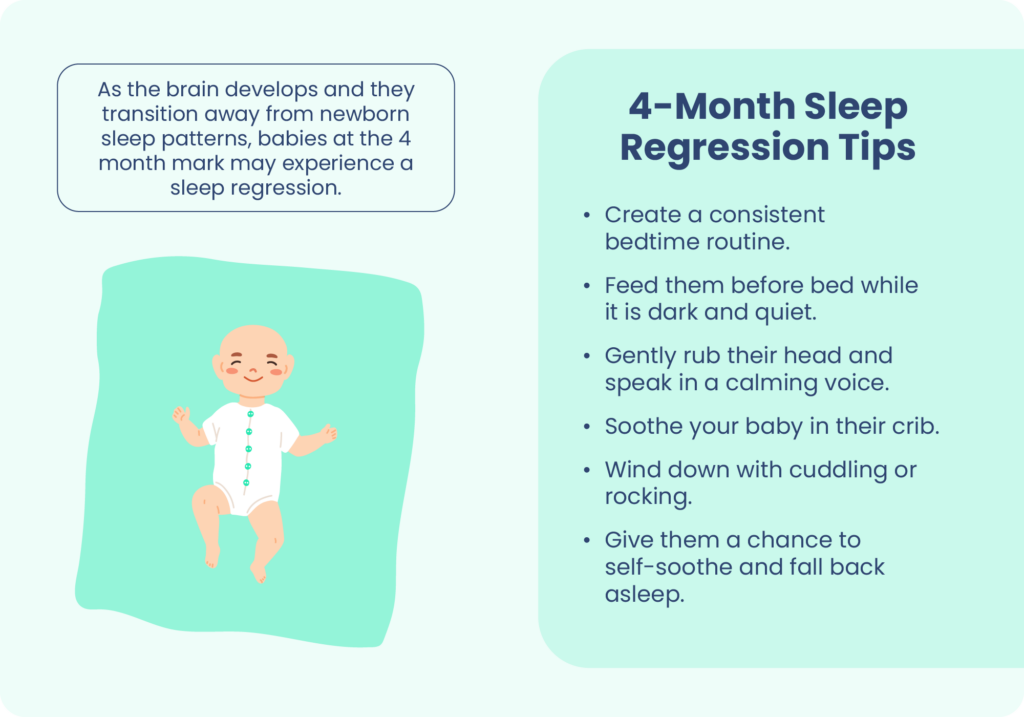
- Keep a consistent bedtime routine
- Same sequence of calming activities every night helps signal sleep time.
- Prioritize daytime naps
- Short naps or missed naps make night sleep worse; protect nap windows when possible.
- Use gentle settling techniques
- Offer comfort, but avoid creating new sleep dependencies if you plan to encourage independent sleep.
- Make the sleep environment consistent
- Dim lights, white noise, and a cool comfortable room help cues stay predictable.
- Limit overtiredness
- Watch wake windows and signs of sleepiness. Overtired babies often fight sleep harder.
- Offer extra comfort during separations
- During separation anxiety, brief check-ins and reassurance can ease transitions.
- Adjust feeding times gradually
- If increased feeds are waking your baby, lengthen stretches slowly rather than cutting abruptly.
- Be patient and track progress
- Keep a sleep log to spot patterns and know whether changes help.
If you do sleep training, maintain the chosen method consistently during a regression to avoid mixed signals.
Sleep training and regressions: what to know
Many parents worry sleep training will fail during baby sleep regression signs. Here’s how to approach it.
- Expect setbacks
- Regressions are normal and often temporary. Setbacks don’t mean failure.
- Stay consistent
- Pausing and restarting different methods can prolong the disruption.
- Tailor your approach
- Combine gentle checks with consistent limits if full extinction feels too harsh.
- Keep safety and comfort first
- If your baby is unwell, pause active training and focus on comfort until they recover.
Consistency, empathy, and flexibility lead to the best long-term results.
When to seek help from a pediatrician
Most baby sleep regression signs resolve without medical care. Seek professional advice for these red flags.
- Sudden, severe changes in feeding or weight
- Signs of pain, fever, or prolonged lethargy
- Regression lasting longer than six weeks despite consistent efforts
- Breathing problems, choking, or noisy breathing during sleep
- Developmental concerns reported at pediatric checkups
A clinician can rule out medical issues and guide a safe plan tailored to your child.
Personal experience and lessons learned
From years of advising families, I’ve learned what helps most during baby sleep regression signs.
- Keep calm and simple
- Panic makes everyone more anxious. Short routines and clear steps work better than overhauls.
- Document before changing things
- I once changed bedtime habits after one bad week and made things worse. A week of tracking showed a nap shift was the root cause.
- Use small, reversible changes
- Gradual adjustments let you test what helps without upsetting a fragile routine.
- Ask for help
- One family I worked with reduced stress by sharing nighttime duties for two weeks while routines reset.
Real families need empathy and practical steps, not perfection. Expect progress, not perfection.
Common myths and limitations
Separating fact from fiction helps with realistic expectations about baby sleep regression signs.
- Myth: Regressions mean sleep training failed
- Reality: Regressions are common even in well-sleeping babies and usually pass.
- Myth: Letting a baby "cry it out" always causes harm
- Reality: When applied appropriately, many methods are safe. Match methods to your values and your baby’s needs.
- Myth: Regression always requires medical treatment
- Reality: Most regressions are developmental and resolve with routine and patience.
- Limitation: No instant fix
- Some situations need weeks, not days. Patience and consistency are the main tools.
Be realistic about timelines and tune responses to your baby and family values.
Related concepts and next steps
Understanding related sleep topics helps prevent future regressions and supports healthy habits.
- Sleep associations
- Identify whether your baby needs a feed, motion, or parental touch to fall asleep, and plan gentle alternatives.
- Nap transitions
- Move from three naps to two gradually; this often affects night sleep.
- Daylight and activity
- Morning light and active play help regulate circadian rhythms.
- Growth and developmental checks
- Keep regular pediatric visits to track health and milestones.
Next steps: pick one simple routine change this week, track sleep for seven days, and evaluate progress.
Frequently Asked Questions of baby sleep regression signs
What are the earliest baby sleep regression signs?
Early signs include shorter naps, more night wakings, and longer time to fall asleep. These changes can be sudden and may coincide with a developmental milestone.
How long do regressions usually last?
Most regressions last a few days to three weeks, though some can stretch longer. Consistency and gentle routines usually shorten the episode.
Can teething cause sleep regression signs?
Yes, teething often contributes to night waking, fussiness, and changes in feeding. Comfort and short-term pain relief strategies can help during flare-ups.
Should I stop sleep training during a regression?
Not always; minor regressions can be managed while continuing gentle, consistent training. If your baby is ill or in pain, pause active training and focus on comfort.
When is a regression a medical concern?
If your baby shows weight loss, breathing issues, fever, or extreme lethargy, contact a pediatrician. Persistent sleep loss beyond six weeks may also merit evaluation.
Can routine changes prevent regressions?
Stable routines reduce the frequency and severity of regressions but cannot prevent developmental shifts. Predictable sleep cues help your baby adapt more quickly.
Conclusion
Recognizing baby sleep regression signs and responding with calm consistency can shorten the disruption and protect long-term sleep habits. Use simple, repeatable routines, track patterns, and be gentle with both your baby and yourself during these phases. Try one small change this week—protect a nap window or tighten your bedtime routine—and monitor progress for seven days. If you found this helpful, share your experience, subscribe for more sleep tips, or leave a question below so we can help you further.