Co-sleeping can increase infant risk; crib sleeping is generally the safer default for most babies.
As a parent who has navigated newborn nights and as someone who has reviewed pediatric sleep guidance, I’ll walk you through the real differences, risks, and practical steps for co sleeping vs crib sleeping safety. This article blends research, clear takeaways, and hands-on tips so you can make a confident, informed choice that fits your family.

Understanding co sleeping vs crib sleeping safety
Co-sleeping means sharing a sleep surface with your baby. Crib sleeping means the baby sleeps alone in a crib, bassinet, or bedside sleeper. Room-sharing is different: the baby sleeps in the same room but on a separate surface.
Clear terms help you weigh trade-offs. Co-sleeping can mean full bed-sharing or using a sidecar bassinet. Crib sleeping covers standalone cribs, bassinets, or bedside cradles. The phrase co sleeping vs crib sleeping safety sums the main question parents ask: which setup lowers risks while supporting bonding and sleep?
Key points to know:
- Co-sleeping often boosts nursing ease and closeness but raises some safety concerns.
- Crib sleeping is linked to a lower risk of accidental suffocation and sudden infant death for many infants.
- Room-sharing with a separate sleep surface combines benefits: proximity and safer sleep.

Risks and benefits: co sleeping vs crib sleeping safety
Weighing risks and benefits helps produce a clear plan for safe sleep.
Benefits of co-sleeping
- Easier nighttime breastfeeding and faster response to baby cues.
- Greater closeness can ease parental anxiety and help bonding.
- Better night feeds may support breastfeeding duration for some families.
Risks of co-sleeping
- Higher risk of accidental suffocation and overlay, especially with soft bedding.
- Increased SIDS risk when parents smoke, use alcohol or drugs, or are extremely tired.
- Danger rises if baby is premature, low birth weight, or has medical issues.
Benefits of crib sleeping
- A firm, clear sleep surface reduces suffocation risks.
- Consistent independent sleep routines can help long-term sleep skills.
- Crib setups meet many pediatric safe-sleep recommendations.
Limitations of crib sleeping
- Night feedings may be harder for the breastfeeding parent.
- Some families feel reduced bonding or increased anxiety at first.
When you compare co sleeping vs crib sleeping safety, context matters: parent behavior, sleep surfaces, and baby health change the balance. Many experts favor room-sharing in the same room for the first 6 months as a middle ground.

Safe co-sleeping practices (if you choose to bed-share)
If you decide to co-sleep, use these practical steps to reduce risk.
Setup and rules
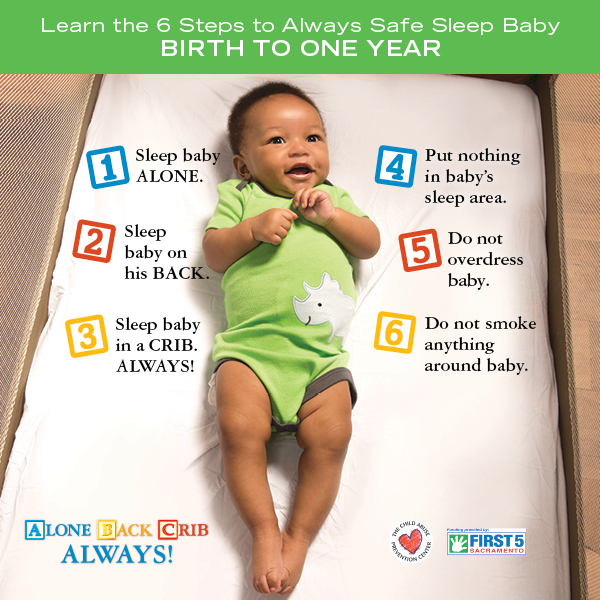
- Use a firm mattress with a tight-fitting sheet.
- Keep baby on their back and close to the parents’ torso, not near pillows or loose blankets.
- Remove pillows, heavy quilts, and soft toys from the sleep area.
- Avoid bed-sharing if you or your partner smoke, drink alcohol, use drugs, or are extremely tired.
- Do not co-sleep with multiple people, pets, or on couches and armchairs.
Who should avoid co-sleeping
- Babies born early or with low birth weight.
- Households where a caregiver uses tobacco, alcohol, or sedatives.
- Families that cannot create a safe sleep surface free from soft objects.
Alternative: bedside sleeper
– Attach a bedside bassinet or co-sleeper that gives closeness without sharing the same mattress.
- These units allow easy feeding and comforting while keeping baby on a separate surface.
Personal tip from real nights with my newborn: the bedside bassinet cut midnight fumbling in half and kept our sleep safer. For us, it balanced closeness and safety.
:max_bytes(150000):strip_icc():focal(519x866:521x868)/Baby-Safe-Sleep-_1-2000-914eb5fc205046f281116f7b8e912a68.jpg)
Safe crib sleeping practices
A safe crib setup lowers many risks tied to co-sleeping. Use simple rules.
Crib basics
- Always place baby on their back for every sleep.
- Use a firm mattress and a fitted sheet only.
- Keep the crib clear of bumpers, pillows, blankets, and toys.
- Dress baby in a sleep sack or wearable blanket to avoid loose covers.
- Keep room temperature comfortable to prevent overheating.
Room-sharing guidance
- Keep baby’s crib or bassinet in your bedroom for the first 6 months, ideally the first year.
- Stay within arm’s reach to respond to feeds and comfort without bringing baby into your bed.
Consistency and routine
- Short, consistent bedtime routines help baby learn sleep cues.
- Use the crib for naps and night sleep to build clarity for baby.

Practical decision guide: When to choose co-sleeping vs crib sleeping safety
Match your choice to your family’s reality. Use a short checklist to decide.
Consider these factors
- Baby age and health: Younger and medically fragile infants often need stricter safe-sleep practices.
- Parent habits: If a caregiver smokes, takes medications that cause drowsiness, or uses substances, crib sleeping is safer.
- Space and equipment: A bedside bassinet may be best when room is tight.
- Feeding plan: Breastfeeding parents sometimes prefer co-sleeping or a bedside sleeper for ease.
- Cultural and emotional needs: Many cultures normalize co-sleeping; weigh cultural fit and safety.
Decision steps
- Assess risk: list medical and environmental risk factors.
- Choose a default: pick room-sharing with a separate surface or a crib in the nursery if risks are present.
- Create rules: if you co-sleep, set firm safety rules and stick to them.
- Reevaluate: revisit the plan as baby grows and circumstances change.
When you think about co sleeping vs crib sleeping safety, a flexible plan works best. Start cautious and adapt.

Personal experience and lessons learned
I remember sleepless early nights. We tried side-by-side sleeping first. A few times we nearly drifted toward risky bed-sharing after long feeds. That taught me to set strict rules and use a bedside bassinet.
Lessons that stuck
- Prepare the environment before you’re tired. Tired decisions lead to risky co-sleeping.
- Keep a small night lamp and a water cup within reach. Little conveniences stop risky moves.
- Talk through a sleep plan with your partner before the baby arrives. Consistency reduces accidents.
- If you find yourself dozing with baby in bed, move the baby to a safe surface before you nap.
These are practical tips from nights that were hard but teachable. They blend real-life tweaks and safety-first thinking.
Related options and alternatives
There are safe middle grounds between full bed-sharing and separate cribs.
Bedside bassinets and co-sleeper attachments
- Provide closeness, eye contact, and easy access without sharing a mattress.
Bassinet for newborns
- A small, firm sleeping surface near the parent that supports first months.
Wearable blankets and sleep sacks
- Replace loose blankets safely.
Safe sleep gear caution
- Avoid products not tested for infant sleep safety. Look for firm, certified products and follow manufacturer guidance.
When weighing co sleeping vs crib sleeping safety, these options often give the best mix of safety and closeness.
Frequently Asked Questions of co sleeping vs crib sleeping safety
Is co-sleeping safe for newborns?
Co-sleeping has benefits but raises risks like suffocation and SIDS, especially with soft bedding or parental substance use. Use a bedside bassinet or crib for safer sleep.
At what age is crib sleeping safer than co-sleeping?
Crib sleeping is generally recommended from birth for highest safety. Many experts advise room-sharing for at least the first 6 months while keeping baby on a separate surface.
How can I make bed-sharing safer if I choose it?
Use a firm mattress, remove loose bedding, keep baby on their back, avoid alcohol and smoking, and never co-sleep on couches or armchairs. Consider a bedside sleeper as a safer alternative.
Does co-sleeping help with breastfeeding?
Yes. Co-sleeping can make night feeds easier and support breastfeeding duration, but safety setups like bedside bassinets can provide similar benefits with less risk.
Can I switch from co-sleeping to crib sleeping later?
Yes. Transition gradually with consistent routines and room-sharing steps. Offer naps in the crib first, then night sleep as baby adjusts.
Conclusion
Co sleeping vs crib sleeping safety is not one-size-fits-all. Crib sleeping on a firm, bare surface is the safer default for many infants, while thoughtful co-sleeping setups or bedside sleepers can support bonding and breastfeeding with lower risk. Start with clear rules, assess your unique risks, and choose an approach you can commit to consistently.
Takeaway: prioritize a firm sleep surface, keep the baby on their back, and opt for room-sharing with a separate sleep space when possible. Try a bedside bassinet if you want closeness without sharing a mattress. Share your plan with your partner, create safe routines, and revisit your choice as your baby grows.
If this helped you, leave a comment, share your experience, or subscribe for more practical newborn sleep guidance.