Baby wipes offer convenience; water cleaning can be gentler for many newborns.
I’ve spent years advising new parents and testing newborn care routines, so I know why the baby wipes vs water cleaning newborn question comes up at every diaper change. This article breaks down science, safety, and real-life tips so you can choose what’s best for your baby’s skin, routine, and family values. Read on for a clear, practical guide rooted in experience and evidence.
Why this choice matters
Choosing between baby wipes vs water cleaning newborn affects skin health, diaper rash risk, daily routine, and waste. Newborn skin is thin and still developing. The cleaning method you pick can reduce irritation, bacterial growth, and allergic reactions.
Parents often face trade-offs: speed and portability with wipes, or gentleness and lower chemical exposure with water. Understanding both sides helps you make a confident, practical choice for your baby.

Understanding newborn skin and cleaning needs
Newborn skin basics
- Newborn skin is thinner and loses moisture faster.
- A developing skin barrier can be sensitive to fragrances and preservatives.
- Frequent cleaning is needed to prevent irritation and infection.
Why cleaning matters
- Urine and stool can irritate vulnerable skin.
- Gentle cleaning removes irritants without stripping natural oils.
- Proper drying and diaper fit also play big roles in skin health.
How this relates to baby wipes vs water cleaning newborn
- Both methods can be safe when done gently.
- The main differences are ingredients, friction, and moisture balance.
Pros and cons of baby wipes
Benefits
- Convenience: fast and portable for diaper bags.
- Consistency: single-step cleaning with fewer supplies.
- Useful in public spaces, travel, and late-night changes.
Drawbacks
- Ingredients: some wipes contain alcohol, fragrance, or preservatives that can irritate.
- Residue: certain wipes leave films that trap moisture.
- Environmental impact: disposable wipes add to landfill waste.
How baby wipes affect newborn skin
- Gentle, hypoallergenic wipes can work well for many babies.
- Strong ingredients can increase redness and rash risk.
- Frequent use of scented or alcohol-based wipes increases irritation risk.
Practical tips when using wipes
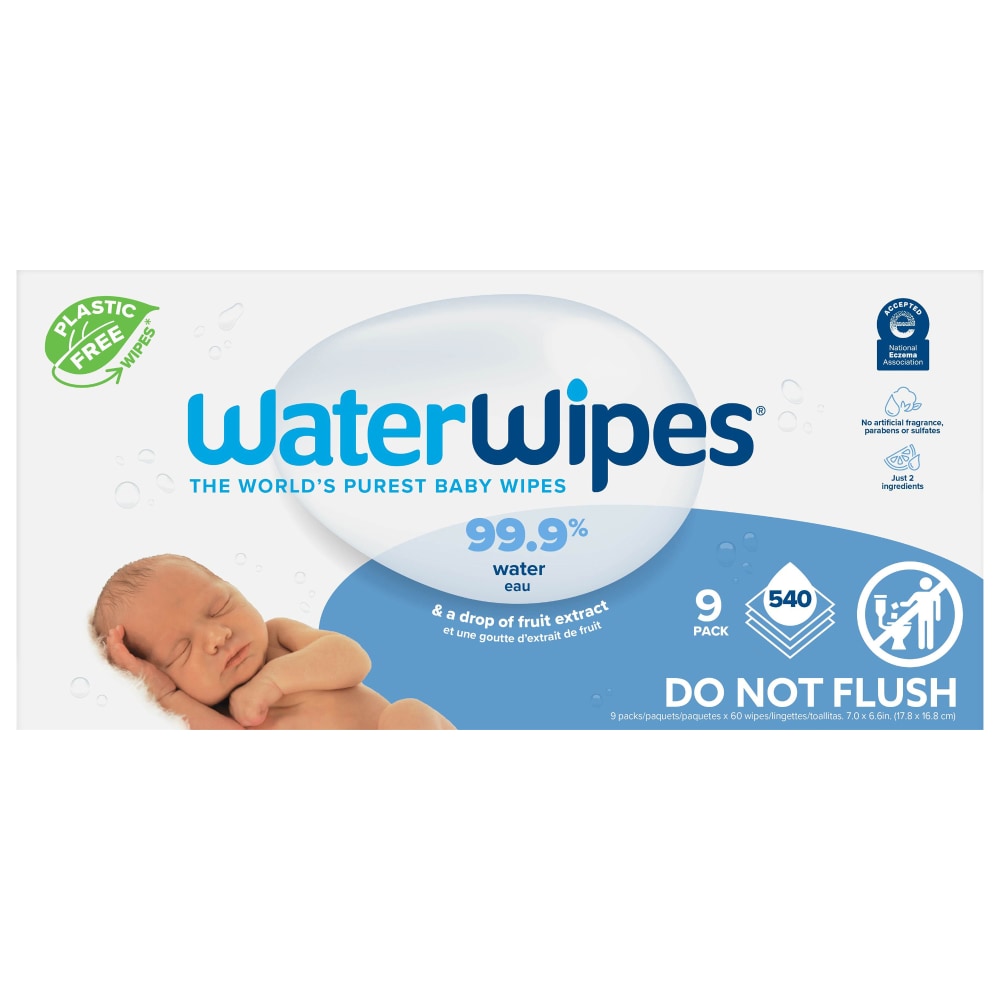
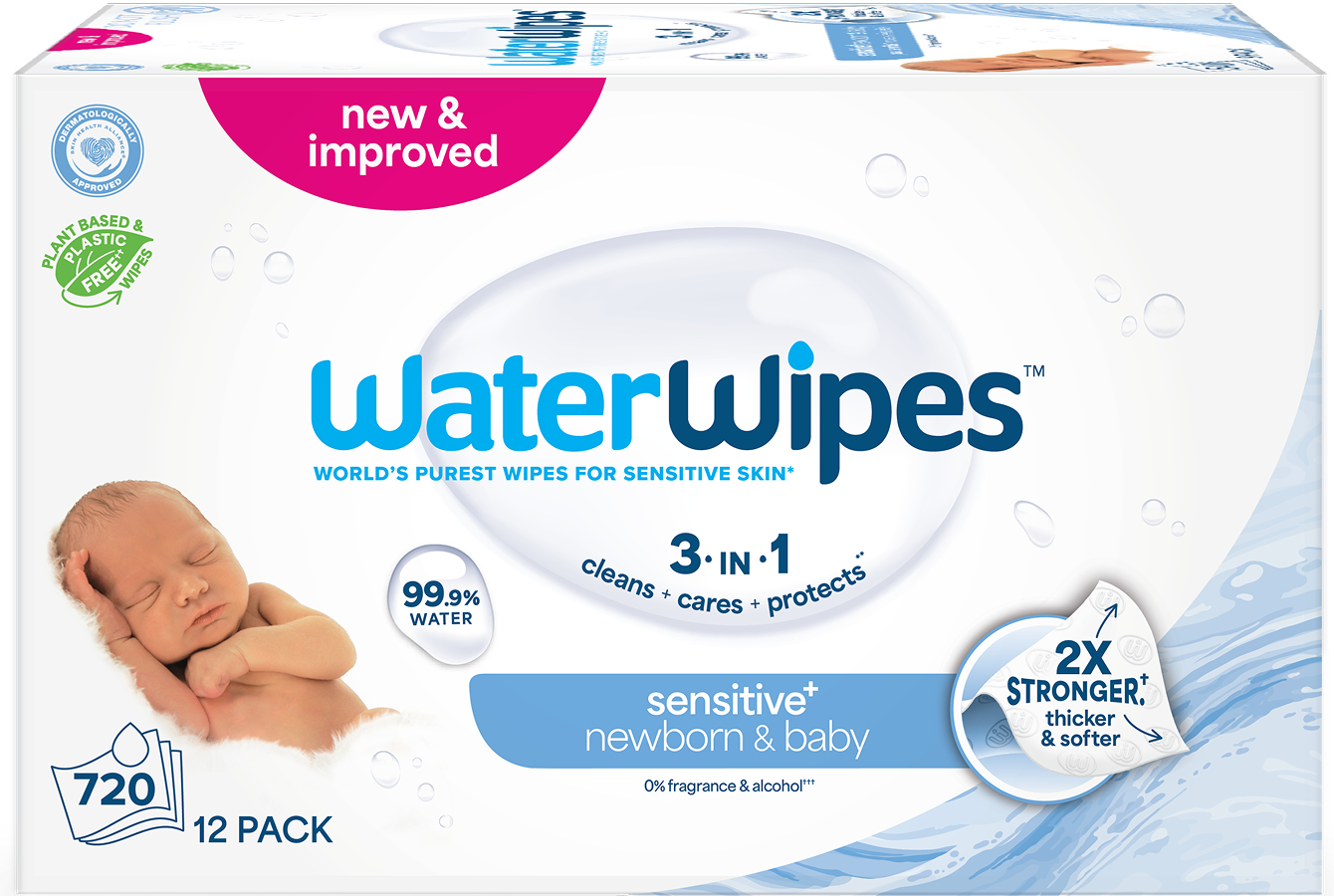
- Choose unscented, alcohol-free, and pH-balanced wipes.
- Dab rather than rub to reduce friction.
- Pat dry after wiping when possible to avoid trapped moisture.
Baby wipes vs water cleaning newborn note
- Wipes win on convenience and speed, but they vary widely in formulation.
- For newborns with sensitive skin, careful ingredient selection matters.

Pros and cons of water cleaning (with washcloths)
Benefits
- Purity: plain water has no added chemicals, dyes, or scents.
- Gentle: less likely to disrupt skin barrier when used correctly.
- Cost-effective and lower waste when using reusable cloths.
Drawbacks
- Time: requires preparation and more steps.
- Portability: less convenient outside the home.
- Hygiene: cloths must be laundered properly to avoid bacteria.
How to use water safely
- Use warm, not hot, water to avoid burns.
- Use a soft, clean cloth and blot gently.
- Dry the area thoroughly and allow air exposure when possible.
Baby wipes vs water cleaning newborn note
- Water cleaning often reduces chemical exposure and irritation.
- It requires habit changes and planning for outings.
Safety, ingredients, and irritation risks
Common wipe ingredients to avoid or use cautiously
- Alcohol: can be drying and sting minor skin breaks.
- Fragrance: a common irritant and allergen.
- Parabens and certain preservatives: potential sensitizers for some babies.
What makes water safe
- No added chemicals.
- Low risk of contact dermatitis from ingredients.
- Risk mainly from temperature or contaminated cloths.
Signs of irritation or allergic reaction
- Red, raised rash in the diaper area or elsewhere.
- Persistent fussiness linked to diaper changes.
- Breaks in skin, bleeding, or signs of infection.
What to do if irritation appears
- Stop using the suspected product and try plain water.
- Keep the area dry and use barrier cream if recommended.
- Seek pediatric advice for severe or persistent reactions.
Baby wipes vs water cleaning newborn safety takeaway
- Choosing hypoallergenic wipes or plain water reduces risk.
- Always watch for signs of irritation and act quickly.

When to use wipes vs water — practical guide
Use wipes when:
- You’re out, traveling, or need a fast change.
- Your baby is calm and the wipes are gentle and unscented.
- You need a single-item solution for quick cleanup.
Use water when:
- Your baby has very sensitive skin or recurrent diaper rash.
- You’re at home and can wash and dry the area properly.
- You prefer minimal chemical exposure.
A combined approach
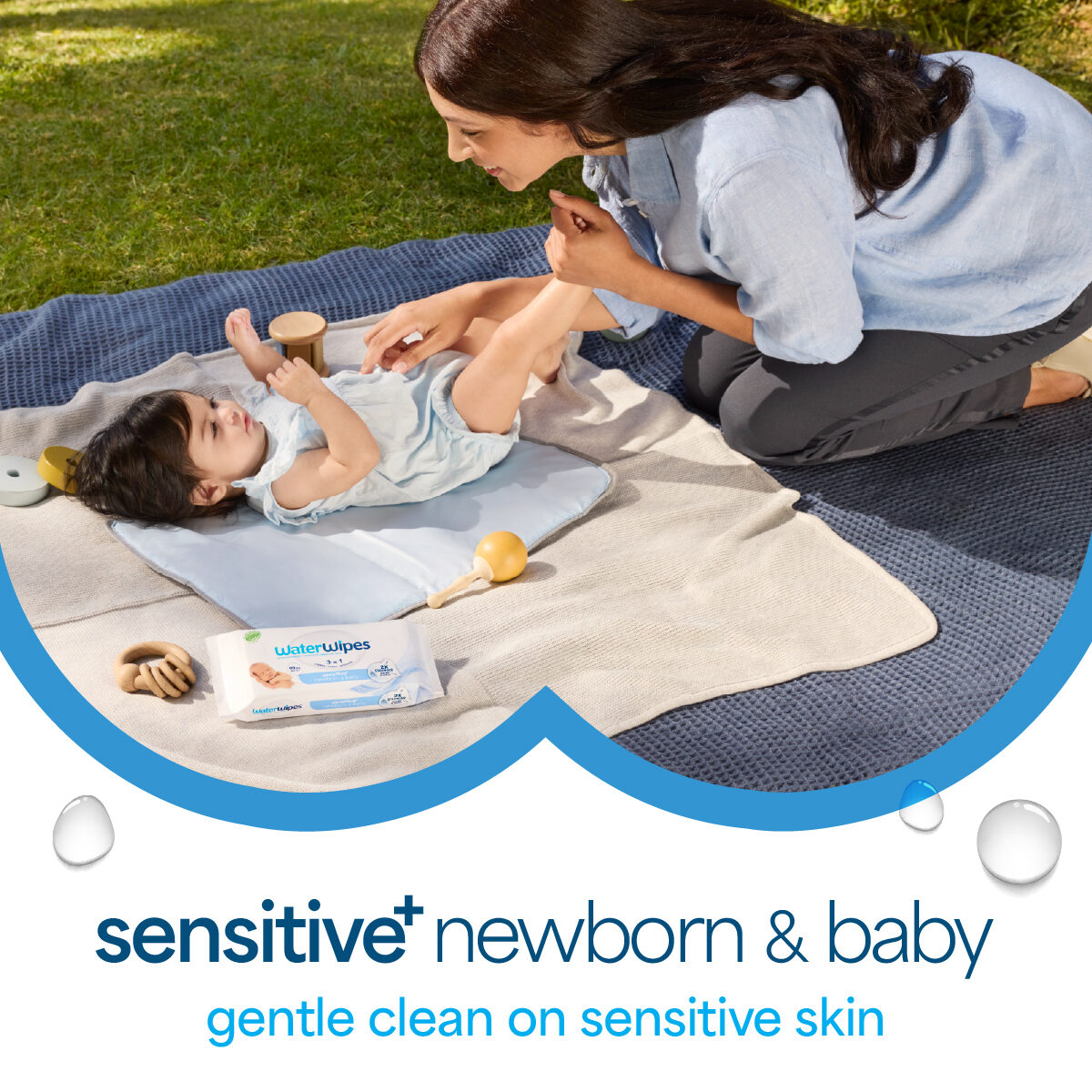
- Many parents use both: water at home and wipes on the go.
- For messy stools, start with water at home; if outside, use wipes then follow up with a water clean when possible.
Baby wipes vs water cleaning newborn in practice
- Balance convenience and skin health by matching the method to context.
How to choose newborn-safe wipes
Key selection criteria
- Unscented and alcohol-free.
- pH-balanced and dermatologically tested.
- Short ingredient list with recognizable components.
Testing a new wipe
- Patch test on a small skin area for 24–48 hours.
- Observe for redness or swelling.
- Switch to water if any reaction appears.
Packaging and environmental notes
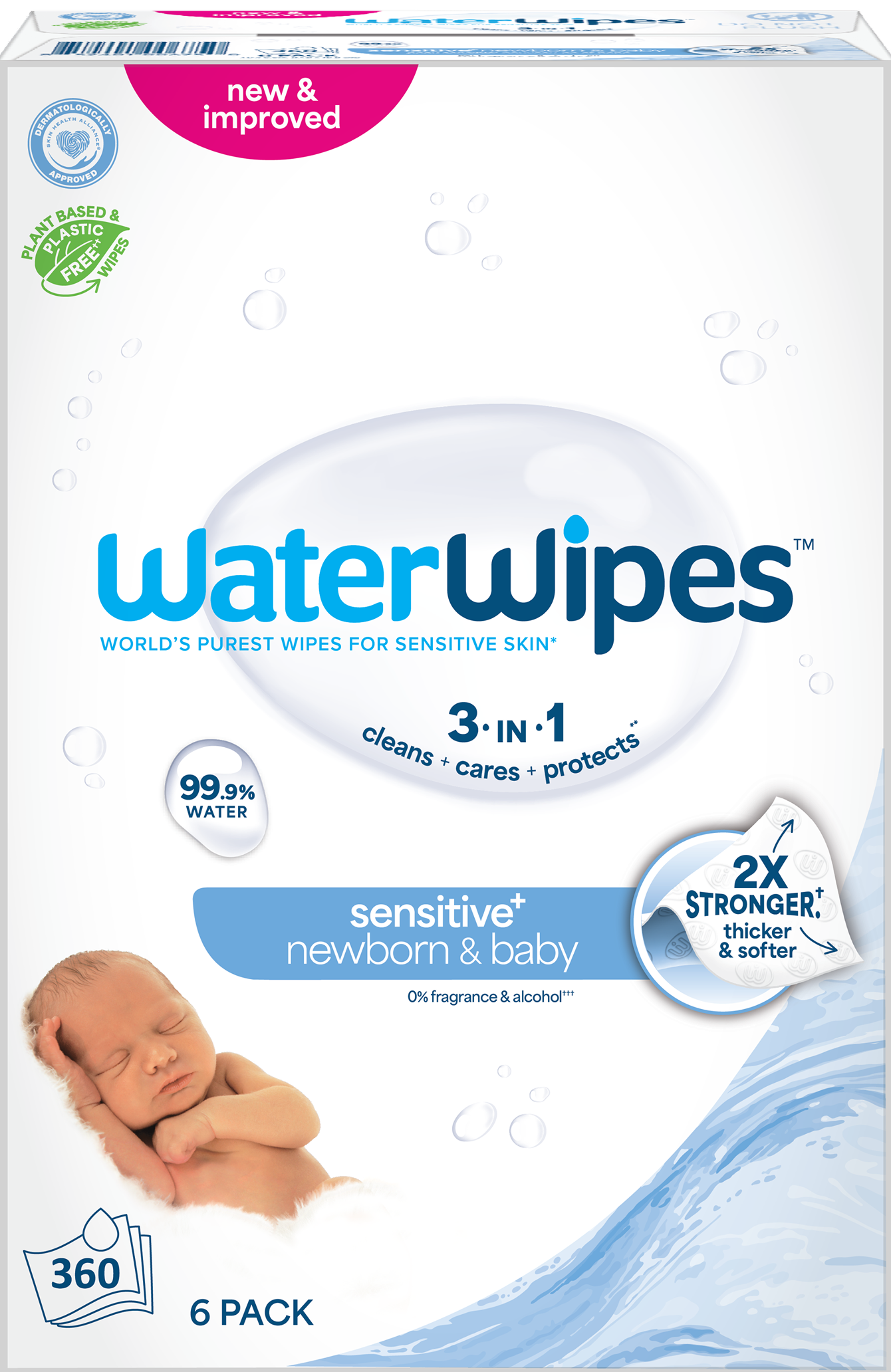
- Look for biodegradable options if sustainability matters.
- Check for resealable packs to prevent drying out.
Baby wipes vs water cleaning newborn decision tips
- Let your baby’s skin guide your choice.
- Keep a small supply of trusted wipes for emergencies.

Step-by-step: cleaning newborn with water (quick routine)
Supplies
- Clean, soft washcloths.
- Warm water in a bowl.
- Dry towel and diaper cream if needed.
Steps
- Wash your hands thoroughly.
- Soak and wring the cloth so it’s damp, not dripping.
- Gently blot and wipe away mess, moving front to back for girls.
- Rinse the cloth or swap to a fresh one for stubborn spots.
- Pat the skin dry and allow air exposure for a minute if possible.
- Apply a thin barrier cream only if needed, and fasten a clean diaper.
Why this works
- Blotting reduces friction.
- Drying prevents trapped moisture that breeds rash.
Baby wipes vs water cleaning newborn in steps
- Water cleaning follows simple steps and reduces exposure to additives.
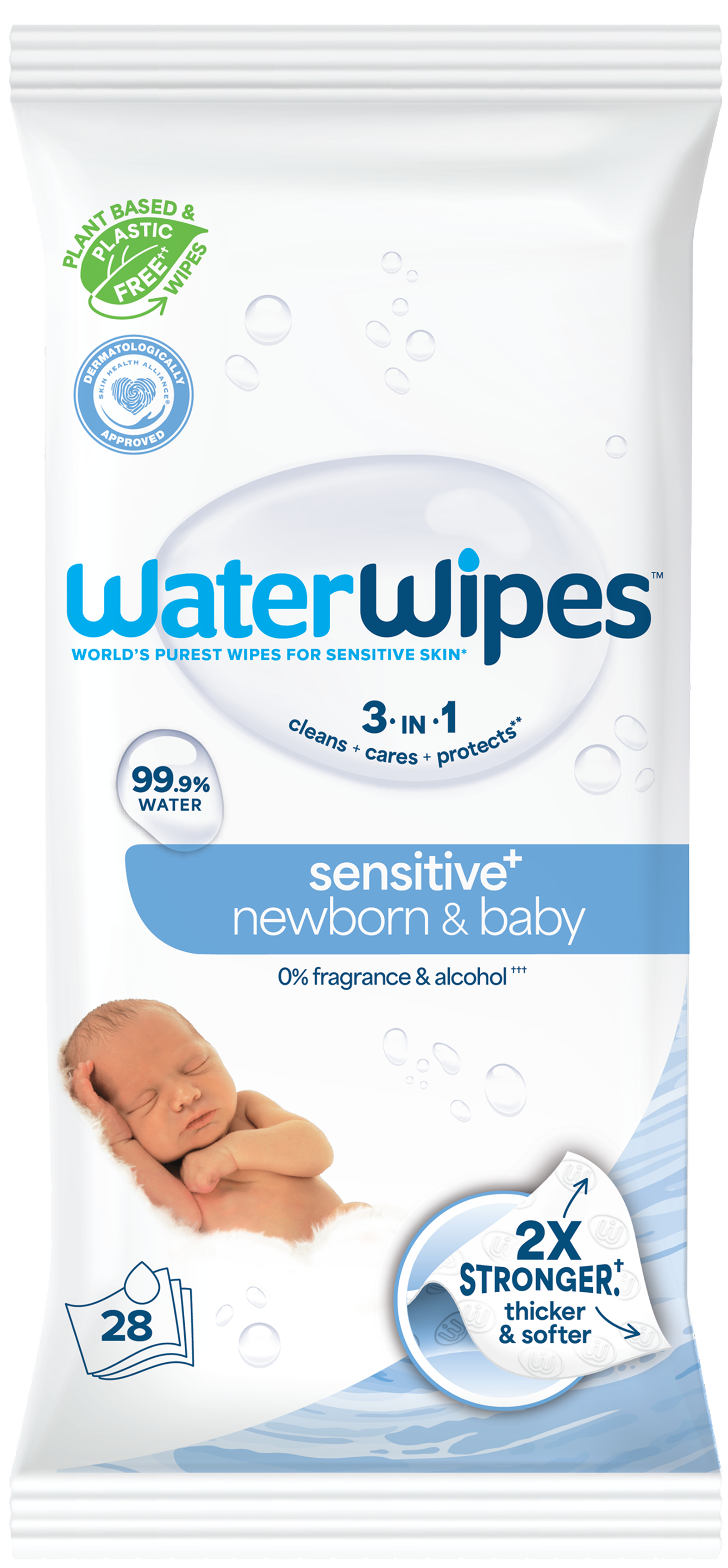
Environmental and cost comparison
Cost factors
- Disposable wipes: recurring purchase, higher long-term cost.
- Water and cloths: upfront cost for cloths and laundry, lower ongoing expense.
Environmental impact
- Wipes create landfill waste; some marketed as flushable can still clog systems.
- Reusable cloths use water and energy for washing but reduce plastic waste.
Practical balance
- Use reusable cloths at home and compostable or eco wipes when out.
- Limit single-use products to situations that truly need them.
Baby wipes vs water cleaning newborn sustainability note
- Combining methods can minimize both cost and environmental harm.
Personal experience, lessons learned, and practical tips
From my experience with many families
- Newborns with rash often improved when families switched to plain water for a week.
- Busy parents appreciated having a trusted brand of unscented wipes on hand for outings.
- Over-wiping and aggressive rubbing were common mistakes that caused irritation.
Tips I share with parents
- Keep both options ready: water at home, wipes in the diaper bag.
- Patch-test any new wipe and reduce use if redness appears.
- Let the baby’s skin heal naturally and avoid too many products at once.
A short story
- I once advised a mother whose newborn had recurring redness. She switched to warm water at home and a fragrance-free wipe for outings. The rash cleared in days, and she felt more confident about diaper care.
Baby wipes vs water cleaning newborn life lesson
- Flexibility works best: adapt methods as baby grows and skin changes.
Frequently Asked Questions of baby wipes vs water cleaning newborn
Are baby wipes safe for newborn skin?
Most unscented, alcohol-free wipes are safe for many newborns, but watch for signs of irritation. Use water if your baby shows redness or sensitivity.
Can I use only water and cloths with a newborn?
Yes, plain warm water and soft cloths are an effective and gentle option for newborn care. Ensure cloths are clean and skin is dried thoroughly.
How often should I change a newborn’s diaper when using wipes or water?
Change at every soiled diaper and promptly for bowel movements to reduce rash risk. Frequent changes help regardless of cleaning method.
What ingredients in wipes should I avoid for newborns?
Avoid alcohol, artificial fragrances, and harsh preservatives that can irritate sensitive skin. Choose products labeled hypoallergenic and pH-balanced.
Can wipes cause diaper rash?
Some wipes can contribute to diaper rash if they contain irritants or if moisture is trapped after wiping. Switching to water often helps restore skin balance.
How do I test a new wipe for safety?
Apply the wipe to a small area on the baby’s thigh and wait 24–48 hours to watch for redness or swelling. Stop use if you notice a reaction.
[These FAQs are concise and practical to help you decide between baby wipes vs water cleaning newborn]
Conclusion
Choosing between baby wipes vs water cleaning newborn comes down to skin sensitivity, lifestyle, and values. Wipes provide speed and convenience; water offers simplicity and fewer additives. Try both, watch your baby’s skin, and adjust as needed.
Takeaway: keep a gentle water routine at home and a safe, unscented wipe for outings. Test products before regular use and prioritize skin health. If you found this helpful, leave a comment, subscribe for more newborn care tips, or share your own experiences to help other parents make confident choices.