Activity centers usually win for safety and learning; traditional walkers pose higher injury risks.
I’ve spent years testing and advising parents on baby gear, and I’ll walk you through walker vs activity center baby choices with clear guidance. This article compares safety, development, pros and cons, and real-world tips so you can pick what fits your child and home. Read on for straightforward advice rooted in experience and child-safety guidance.

Walker vs activity center baby: quick overview
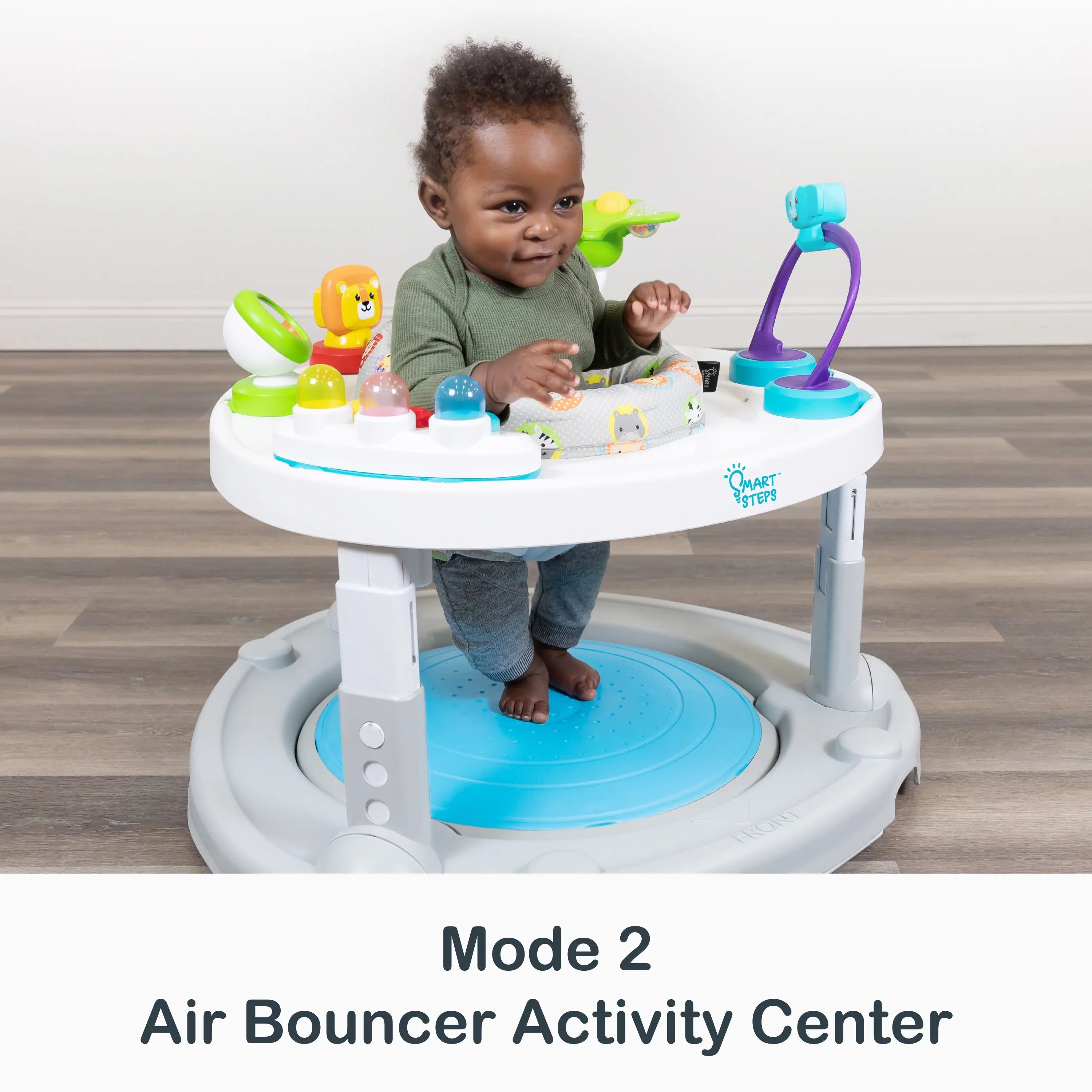
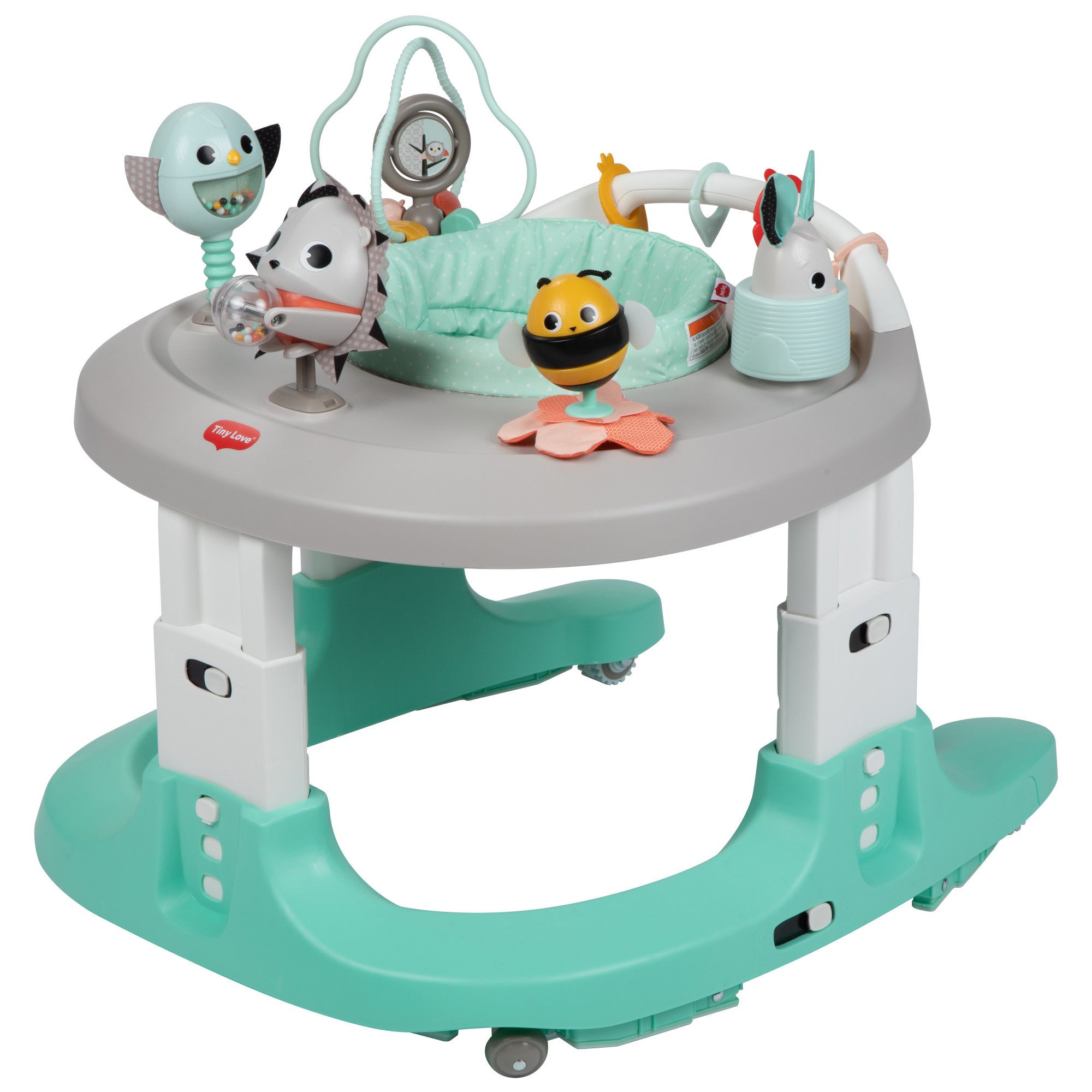
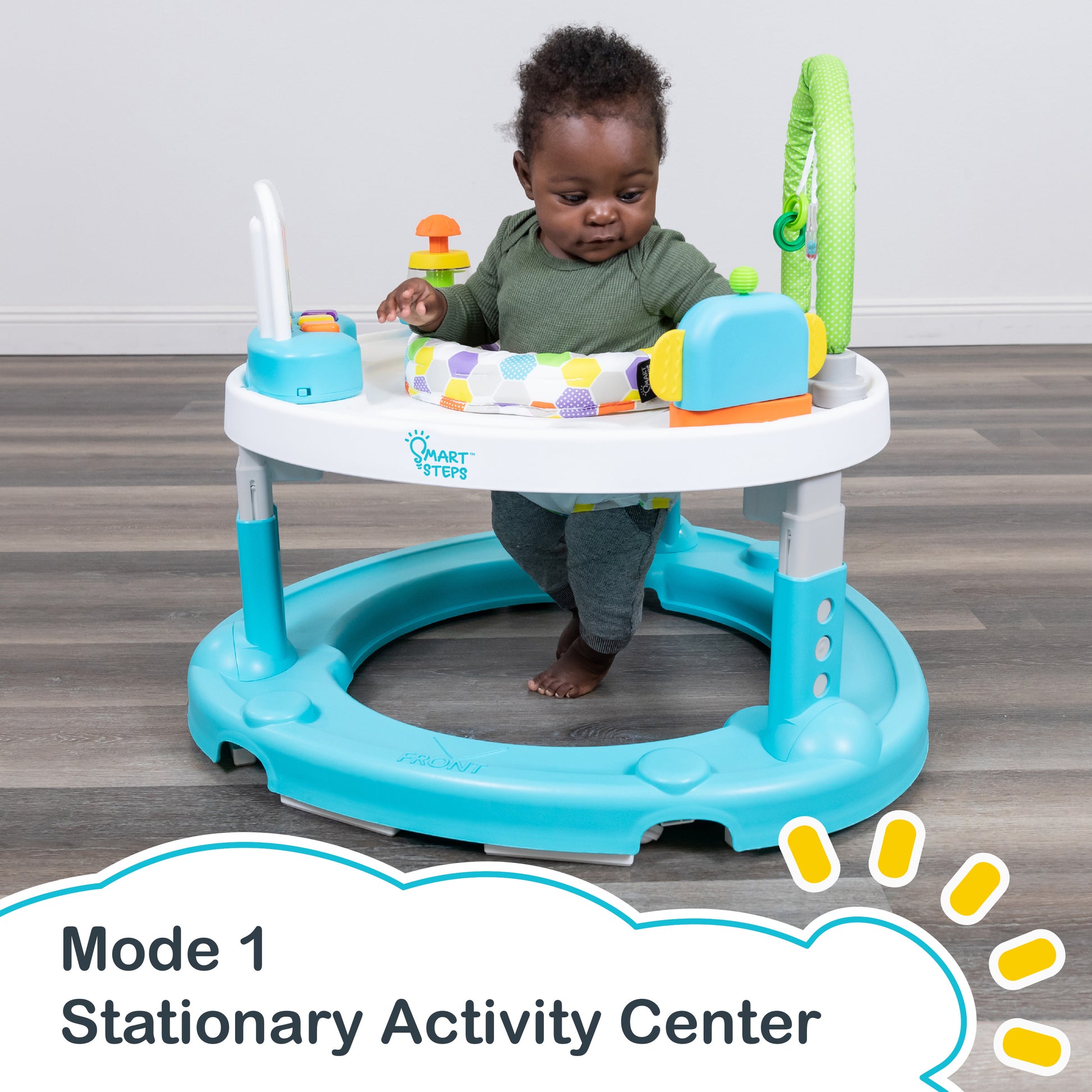
A baby walker is a wheeled seat that lets infants move around while their feet touch the floor. An activity center is a stationary seat surrounded by toys that let babies sit, turn, and play without rolling away.
Both aim to entertain and support early movement. The core difference is mobility: walker vs activity center baby highlights one item that moves and one that stays put. Mobility affects safety and development in important ways. Below we break down features, safety, and real-world tips so you can choose with confidence.

Benefits and drawbacks of baby walkers
Baby walkers let babies move around the house. They can be fun and seem to speed up walking. But there are clear downsides.
-
Benefits
- Entertaining and engaging for short periods.
- Gives babies a sense of control and independence.
- Some models include toys and lights that stimulate senses.
-
Drawbacks
- Higher risk of falls and injuries from stairs or tipping.
- May give infants a false sense of balance and delay walking skills.
- Can encourage toe-walking or poor posture if used too long.
Research and pediatric guidance often caution against walkers because of injury risk and limited developmental benefit. If you choose a walker, supervision and stair gates are essential. The debate of walker vs activity center baby often centers on these safety issues.

Benefits and drawbacks of activity centers
Activity centers keep the baby in one spot. They focus on play and motor practice without allowing roaming.
-
Benefits
- Safer: no rolling, so fewer fall risks.
- Encourages reaching, twisting, and trunk control.
- Often features varied textures, sounds, and activities for sensory play.
-
Drawbacks
- Less mobility for babies who want to explore.
- Some centers can be bulky and take floor space.
- Not a substitute for floor time or supervised tummy time.
When weighing walker vs activity center baby, activity centers score higher for safety and targeted skill practice. They support fine motor skills and trunk strength while keeping the baby secure.
Safety concerns and practical recommendations
Safety is the top factor in the walker vs activity center baby decision. Walkers increase risks in typical home settings. Activity centers reduce mobility-related injuries but still require care.
-
Safety tips for walkers
- Never use near stairs, pools, or uneven floors.
- Limit use to short sessions and constant adult supervision.
- Ensure brakes or wheel locks are present if the model has them.
-
Safety tips for activity centers
- Use on a flat, non-slip surface.
- Check height settings so feet touch the floor gently.
- Rotate toys to keep engagement and spot loose parts regularly.
For both options, follow age and weight guidelines. Supervision matters more than any device. The walker vs activity center baby choice should prioritize safe play and growth.

Developmental impact: skills and milestones
Parents often ask whether walkers help babies learn to walk. The short answer is mixed. The walker vs activity center baby comparison shows different developmental outcomes.
-
Walkers and development
- May help practice stepping motions but can hinder natural balance learning.
- Risk encouraging poor foot placement and reliance on support.
- Fine motor and hand-eye skills depend on the attached toys, not mobility.
-
Activity centers and development
- Support trunk strength and rotation, useful for sitting and reaching.
- Promote fine motor skills through toy interaction.
- Do not replace floor play, crawling, or guided walking practice.
I recommend combining activity center play with plenty of floor time. Floor time builds core strength and coordination in ways neither device can fully replace.

PAA-style question: Do walkers delay walking?
Walkers can give babies a false sense of balance and may delay natural balance development. Short, supervised use is less harmful, but unmonitored, frequent use can interfere with milestones.
PAA-style question: Are activity centers better for learning?
Activity centers support fine motor skills and trunk control, which are important for development. They are generally a safer choice than walkers for practicing play skills without added fall risk.
How to choose: age, space, and real needs
Choosing between walker vs activity center baby depends on your child and home.
-
Consider age and weight
- Follow manufacturer limits. Many activity centers fit babies who can hold their head well.
- Avoid walkers for babies who cannot sit or control their trunk.
-
Consider space and hazards
- Walkers require lots of clear, flat space and secured stairs.
- Activity centers need a safe play zone and storage room.
-
Consider your goals
- If you want safe sensory play, choose an activity center.
- If you value short bursts of mobility and placement of toys around the house, consider a stationary push toy instead of a walker.
I often advise parents to try an activity center first. If mobility practice is a goal, use push toys that encourage natural walking with adult support.
Personal experience and practical tips
From testing gear and watching many babies, I learned what truly matters. I used both devices with my niece. The walker let her zip around, but she tripped often. The activity center kept her engaged and improved her reach and twist movements.
Tips I learned:
- Limit device time to 10–15 minutes several times a day.
- Pair devices with supervised floor play every day.
- Favor products that pass safety checks and have stable bases.
- Check for recalls and read user reviews for real-world issues.
Anecdote: One parent I coached swapped a walker for an activity center and saw fewer near-misses and better sitting balance within weeks. Small changes can make a big difference in safety and growth.

Comparison table (key points)
-
Mobility
- Walker: High mobility, rolls across rooms.
- Activity center: Stationary, spins or rotates in place.
-
Safety
- Walker: Higher fall risk.
- Activity center: Lower fall risk.
-
Development
- Walker: May hinder natural balance learning.
- Activity center: Supports fine motor and trunk control.
-
Best use
- Walker: Short supervised fun, if at all.
- Activity center: Safe play periods and skill practice.
Frequently Asked Questions of walker vs activity center baby
Is a baby walker safe to use?
Walkers have a higher risk of falls and are linked to more injuries. If used, keep strict supervision and block stairs.
When can a baby use an activity center?
Most babies can use activity centers once they can hold their head steady and sit with support. Check the product weight and age guidelines.
Will a walker help my baby learn to walk faster?
Walkers may not speed up walking and can interfere with balance learning. Natural practice like cruising and push toys are better.
How long should a baby spend in an activity center?
Limit sessions to 10–20 minutes several times a day. Combine with floor time and tummy time for balanced development.
Are stationary push toys a better alternative?
Yes. Push toys encourage upright walking with natural weight shift and balance. They are a safer alternative to wheeled walkers.
Can stairs be made safe if I use a walker?
Stair gates and supervision reduce risk, but walkers can still tip or allow babies to reach hazards. Many safety experts recommend avoiding walkers entirely.
Conclusion
Choosing between a walker vs activity center baby comes down to safety, goals, and supervision. Activity centers offer safer, focused play and help key skills like reaching and trunk control. Walkers carry higher injury risks and offer limited developmental benefit.
Pick gear that supports natural milestones, limit device time, and prioritize floor play. Try an activity center first, use push toys for walking practice, and always supervise. If this guide helped, leave a comment, subscribe for more parenting tips, or share your experience so other parents can learn from it.