The best first foods for babies are soft, iron-rich, and easy to digest.
Choosing first foods for babies can feel exciting and a little nerve-wracking at the same time. I’ve seen many parents second-guess every spoonful, but the good news is that the first months of eating are really about simple, safe, nourishing foods and a calm, steady approach. In this guide, I’ll walk you through the best first foods for babies, how to introduce them, what to avoid, and how to build healthy eating habits from the start.
When to start first foods for babies
Most babies are ready for first foods for babies around 6 months of age, but age alone is not the only sign. Readiness matters more than the calendar. A baby should be able to sit with support, hold their head up well, and show interest in food.
In my experience, the parents who do best are the ones who wait for readiness cues instead of rushing. I’ve watched babies who were introduced too early spit out everything and get frustrated, while babies who waited until they were ready often took to eating with less stress.
Common signs of readiness include:
• Good head and neck control
• Sitting upright with support
• Loss of the tongue-thrust reflex, which pushes food out
• Interest in food, such as watching you eat
• Opening the mouth when food comes near
The American Academy of Pediatrics and other child health groups commonly recommend starting solids around 6 months, while continuing breast milk or formula as the main source of nutrition.

What makes a good first food for babies
The best first foods for babies are soft, smooth, and packed with nutrients. At this stage, food is more about learning than filling up. Babies still get most of their calories from breast milk or formula, so solids should support growth, not replace milk too soon.
The most important nutrient in early solids is iron. Around 6 months, a baby’s natural iron stores begin to drop, so iron-rich foods matter a lot. That is why many pediatric experts recommend starting with foods like iron-fortified cereal, pureed meats, beans, or lentils.
Good first foods are usually:
• Soft and easy to swallow
• Low in added sugar and salt
• Rich in iron, zinc, or healthy fats
• Mild in flavor
• Easy to digest
I always tell parents to think of first foods for babies like the first step on a ladder. The goal is not perfection. The goal is comfort, safety, and steady progress.
Best first foods for babies
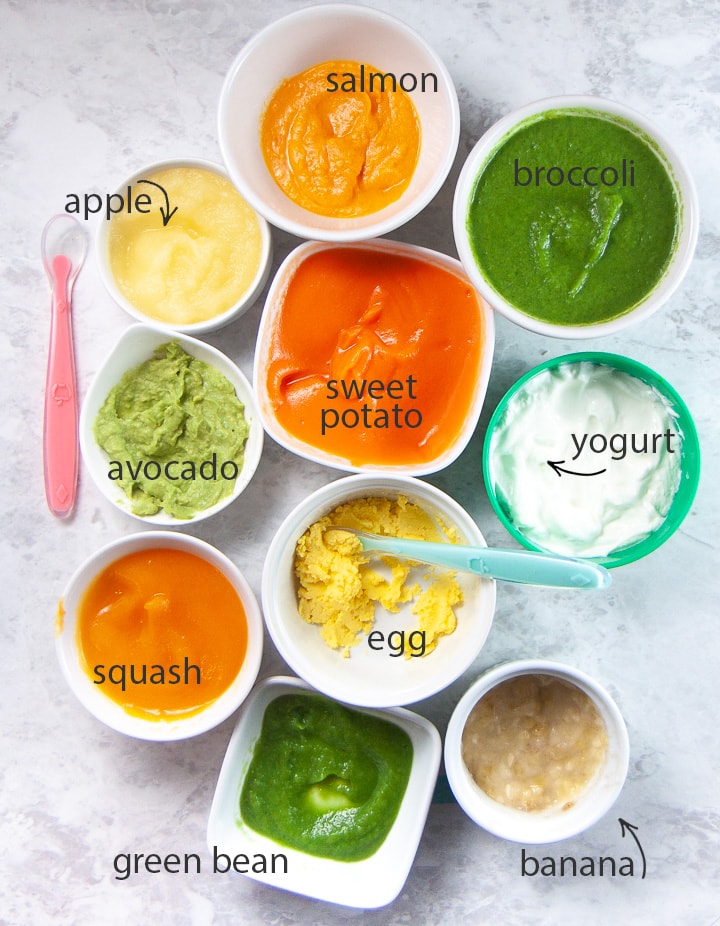
There is no single perfect first food, but some options are especially smart because they are gentle and nutrient-dense. These foods work well for many families and can be adjusted as your baby grows.
Iron-fortified infant cereal
Iron-fortified oatmeal or multigrain baby cereal is one of the most common first foods for babies. It is easy to mix with breast milk, formula, or water, which makes the texture smooth and familiar.
Why it works:
• It is soft and easy to swallow
• It adds iron, which babies need
• It can be thinned to a safe texture
• It is a simple base for other flavors
Pureed meats
Chicken, turkey, beef, and other soft-cooked meats can be blended into a smooth puree. This may surprise some parents, but meat is a strong source of iron and zinc.
Why it works:
• High in iron and protein
• Supports growth and brain development
• Can help prevent iron deficiency
• Useful for babies who need extra iron support
Pureed beans and lentils
Beans, lentils, and peas are excellent first foods for babies. They offer plant-based protein, fiber, and some iron. Just make sure they are fully cooked and blended until smooth.
Why it works:
• Budget-friendly and nutritious
• Good for families following vegetarian diets
• Can be mixed with breast milk or water for smoother texture
• Helps introduce new tastes early
Pureed vegetables
Sweet potatoes, carrots, squash, peas, and green beans are classic first foods. They are mild, colorful, and easy to mash into a soft puree.
Why it works:
• Gentle flavor
• Good source of vitamins and fiber
• Easy to prepare at home
• Helps babies get used to vegetables early
Pureed fruits
Bananas, pears, apples, peaches, and avocados are all common first foods for babies. Fruits are naturally sweet, which many babies enjoy right away.
Why it works:
• Soft and easy to prepare
• Naturally sweet without added sugar
• Good way to introduce variety
• Avocado adds healthy fat, which is helpful for growth
Avocado
Avocado is one of my favorite first foods for babies because it is creamy, nutrient-dense, and simple. You can mash it with a fork and serve it plain or mixed with a little breast milk or formula.
Why it works:
• Healthy fats support brain development
• Smooth texture
• Easy to digest
• No cooking needed
Yogurt
Plain, full-fat yogurt can be a useful early food if your baby tolerates dairy. Choose unsweetened yogurt with no added sugar.
Why it works:
• Contains protein and calcium
• Soft texture
• Easy to scoop and serve
• Can be mixed with fruit puree
How to introduce first foods for babies safely
Introducing first foods for babies works best when you keep it simple and go slowly. You do not need a big menu on day one. A calm, low-pressure routine helps babies learn to eat without stress.
Here is a practical way to start:
- Offer one new food at a time.
- Start with a small amount, like 1 to 2 teaspoons.
- Keep the texture very smooth at first.
- Feed when your baby is alert and not overly tired.
- Watch for signs of fullness, such as turning away or closing the mouth.
A mistake I’ve seen often is parents trying to make a baby finish the bowl. That can backfire. Babies do not need to eat a lot at first, and forcing food can make them less interested in eating later.
Also, let your baby explore. Messy hands and smeared faces are not problems. They are part of learning.
Foods to avoid in the first year
Some foods are not safe for babies, especially in the early months. A few can cause choking, while others may be hard to digest or carry a higher risk of illness.
Avoid these foods:
• Honey before 12 months because of botulism risk
• Cow’s milk as a drink before 12 months
• Whole nuts and large nut pieces
• Grapes, cherry tomatoes, and hot dogs unless cut safely
• Popcorn
• Raw or undercooked eggs, meat, or fish
• Foods with added salt or sugar
• Unpasteurized dairy products
• Hard chunks of fruit or vegetables
I always remind parents that baby-safe food is not only about nutrition. Texture matters just as much. A healthy food can still be dangerous if it is the wrong shape or size.
Baby-led weaning vs. spoon-feeding
Parents often ask whether spoon-feeding or baby-led weaning is better. The truth is that both can work well when done safely. The best choice depends on your baby’s readiness, your comfort level, and your family routine.
Spoon-feeding:
• Gives you more control over texture
• Can be helpful for iron-rich purees
• Often feels simpler for first-time parents
Baby-led weaning:
• Lets babies pick up soft finger foods
• Encourages self-feeding and texture learning
• Can support family mealtime habits
In real life, many families use a mix of both. That is often the easiest path. You might offer a puree at one meal and soft finger foods at another. That flexibility can reduce stress and help babies learn in different ways.
How much should babies eat at first
At the beginning, not much at all. First foods for babies are mostly about practice. Breast milk or formula remains the main source of nutrition through the first year.
A normal starting pattern might look like this:
• A few teaspoons once a day at first
• Gradually moving to 2 to 3 meals a day over time
• Small portions that grow as interest grows
The best sign that things are going well is not how much food disappears. It is whether your baby seems curious, relaxed, and willing to try again.
Signs your baby is enjoying first foods
Babies do not always react with big smiles on day one. Some look serious, some make funny faces, and some spit food out before accepting it later. That does not always mean they dislike the food.
Signs your baby may be adjusting well:
• Opens mouth for the spoon
• Leans toward food
• Grasps soft finger foods
• Swallows small amounts without distress
• Stays calm and interested during meals
I’ve learned that patience matters more than variety at the start. A baby may need 10 to 15 tries before accepting a new food. That is normal and very common.
First foods for babies by age and texture
As babies get older, their textures should slowly change. This helps them learn to chew, move food around in the mouth, and handle more complex meals.
A simple progression looks like this:
• Around 6 months: Smooth purees and very soft mashed foods
• Around 7 to 8 months: Thicker purees and soft lumps
• Around 9 to 10 months: Soft chopped foods and finger foods
• Around 12 months: More family foods, adjusted for safety
The texture shift is important. If babies stay on only very smooth foods for too long, they may have a harder time learning how to chew later.
Tips for making first foods easier
A few small habits can make a big difference. I’ve seen meal times go from stressful to calm just by changing the timing or the texture.
Helpful tips include:
• Serve meals when your baby is happy, not overtired
• Use a small spoon and small bowl
• Keep the high chair stable and safe
• Offer water in a small cup with meals
• Stay patient and neutral if food gets rejected
• Repeat foods often without pressure
You can also mix familiar foods with new ones. For example, try oatmeal with mashed pear, or sweet potato with a little breast milk. This can make the flavor feel less new.
Common mistakes parents make
Even loving, careful parents can make simple mistakes when starting first foods for babies. Most of these are easy to fix once you know what to look for.
Common mistakes include:
• Starting solids too early
• Offering too many foods at once
• Using too much salt, sugar, or spice
• Ignoring choking hazards
• Expecting a baby to eat a large amount
• Giving up after one refusal
• Forgetting to offer iron-rich foods
One of the biggest lessons I’ve learned is this: a baby’s first foods do not have to be fancy. They just need to be safe, nourishing, and repeated with patience.
Sample first foods for babies meal ideas
If you want a simple place to begin, here are a few easy combinations that work well for many babies.
Meal ideas:
• Iron-fortified oatmeal mixed with breast milk
• Mashed avocado with a little formula for texture
• Pureed sweet potato with a spoonful of plain yogurt
• Blended lentils with a small amount of water
• Mashed banana with baby cereal
• Pureed chicken and carrots
These meals are not meant to be perfect. They are simply a practical starting point for families who want healthy first foods for babies without stress.
Frequently Asked Questions of first foods for babies
What is the best first food for a baby?
There is no single best first food for every baby, but iron-rich foods are a smart place to start. Iron-fortified cereal, pureed meat, beans, and lentils are all common choices because they support growth and are easy to digest.
Can I start first foods for babies before 6 months?
Most babies are not ready before 6 months, though readiness signs matter more than the exact age. Starting too early can be harder on the baby’s digestion and may not match their physical development.
Should I start with vegetables or fruits?
You can start with either, but many parents like vegetables first because they are mild and less sweet. That said, there is no rule that says fruits are wrong, and a baby can learn to enjoy both.
How often should I feed my baby solids at first?
At the beginning, once a day is often enough. Over time, you can increase slowly as your baby shows more interest and is ready for more meals.
What if my baby spits out the first foods?
Spitting food out is very normal. It often means your baby is learning the new texture or is still getting used to the spoon, not that they hate the food.
Conclusion
First foods for babies should be simple, safe, and nourishing. Start with soft textures, focus on iron-rich choices, and let your baby learn at their own pace. The early months are less about perfect meals and more about building trust, routine, and comfort around food.
If you take one thing from this guide, let it be this: progress matters more than perfection. Keep meals calm, keep trying new foods slowly, and enjoy the little milestones along the way. If this helped, explore more baby feeding tips and share your own experience in the comments.