Newborn gastroesophageal reflux development is usually normal as the digestive system matures, then improves with age.
Newborn gastroesophageal reflux development can worry even calm, prepared parents. A baby may spit up after nearly every feed, arch the back, or seem uncomfortable. In most cases, this happens because the valve between the esophagus and stomach is still developing. This guide explains what reflux is, when it peaks, how to help your baby safely, and which signs need medical care.

What Is Newborn Gastroesophageal Reflux Development?
Newborn gastroesophageal reflux development describes how reflux begins, changes, and usually improves during early infancy. Reflux occurs when milk and stomach contents move back into the esophagus. The esophagus is the tube that carries food from the mouth to the stomach.
Many healthy newborns have simple gastroesophageal reflux, also called GER. They may spit up but remain comfortable, feed well, and gain weight normally. This type of reflux is common and often needs only time and simple feeding changes.
Gastroesophageal reflux disease, or GERD, is different. GERD happens when reflux causes ongoing pain, feeding problems, poor growth, breathing concerns, or damage to the esophagus. A healthcare professional should assess these symptoms.
Think of the stomach valve as a small door. In a newborn, that door may not close firmly yet. Milk can flow back more easily, especially when the baby lies down after feeding.
Why reflux is common in newborns
Several normal features of early development make reflux more likely:
• The lower esophageal sphincter is still immature.
• Newborns drink liquid feeds, which move easily through the stomach.
• Babies have small stomachs and may fill them quickly.
• Newborns spend much of the day lying down.
• Their feeding and swallowing skills are still developing.
These factors explain much of the newborn gastroesophageal reflux development process. They do not mean that a parent has done anything wrong.
Newborn Gastroesophageal Reflux Development Timeline
Newborn gastroesophageal reflux development often follows a predictable pattern, although every baby is different. Some infants spit up from the first days of life. Others develop more noticeable reflux after the first few weeks.
Birth to 2 months
Reflux may appear early because newborns have immature muscle control and small stomachs. Spitting up after a feed is common, especially when a baby eats quickly or takes more milk than the stomach can hold.
A baby may bring up a small amount of milk during burping or soon after feeding. If the baby seems calm and continues to gain weight, this is often normal infant reflux.
Around 3 to 5 months
Reflux often becomes most noticeable during this period. Babies may drink more, move their bodies more, and spend longer periods awake after feeds. The valve at the bottom of the esophagus is still maturing.
Many medical reviews report that infant reflux peaks at about 4 months. The exact timing can vary, and some babies improve sooner.
Around 6 months
Reflux may start to ease as babies sit upright, develop better muscle control, and begin solid foods when developmentally ready. Solid foods do not cure reflux, and parents should not start them early without professional advice.
Some babies still spit up at 6 months. Occasional spit-up can remain normal if the child is comfortable and growing well.
Around 12 to 18 months
Most healthy children have much less reflux by their first birthday or during the second year of life. The digestive system is more mature, children spend more time upright, and the esophageal valve works better.
Persistent or severe symptoms after this stage deserve medical review. They may point to GERD or another condition.

Normal Reflux Versus GERD in Newborns
Knowing the difference between normal reflux and GERD can reduce fear and help parents seek care at the right time.
Signs of normal infant reflux
Normal reflux may include:
• Small amounts of milk coming up after feeds
• Spitting up without strong distress
• Normal wet diapers
• Steady weight gain
• A healthy appetite
• A relaxed baby between feeds
A baby with simple reflux may look messy but remain well. The amount may also seem larger than it really is because milk spreads across clothing and blankets.
Signs that may suggest GERD
Talk with a pediatrician if your baby has:
• Poor weight gain or weight loss
• Frequent refusal to feed
• Repeated choking, gagging, or coughing during feeds
• Strong back arching with clear distress
• Persistent crying during or after feeds
• Blood in vomit or stool
• Recurrent wheezing or breathing problems
• Forceful vomiting
• Fewer wet diapers or signs of dehydration
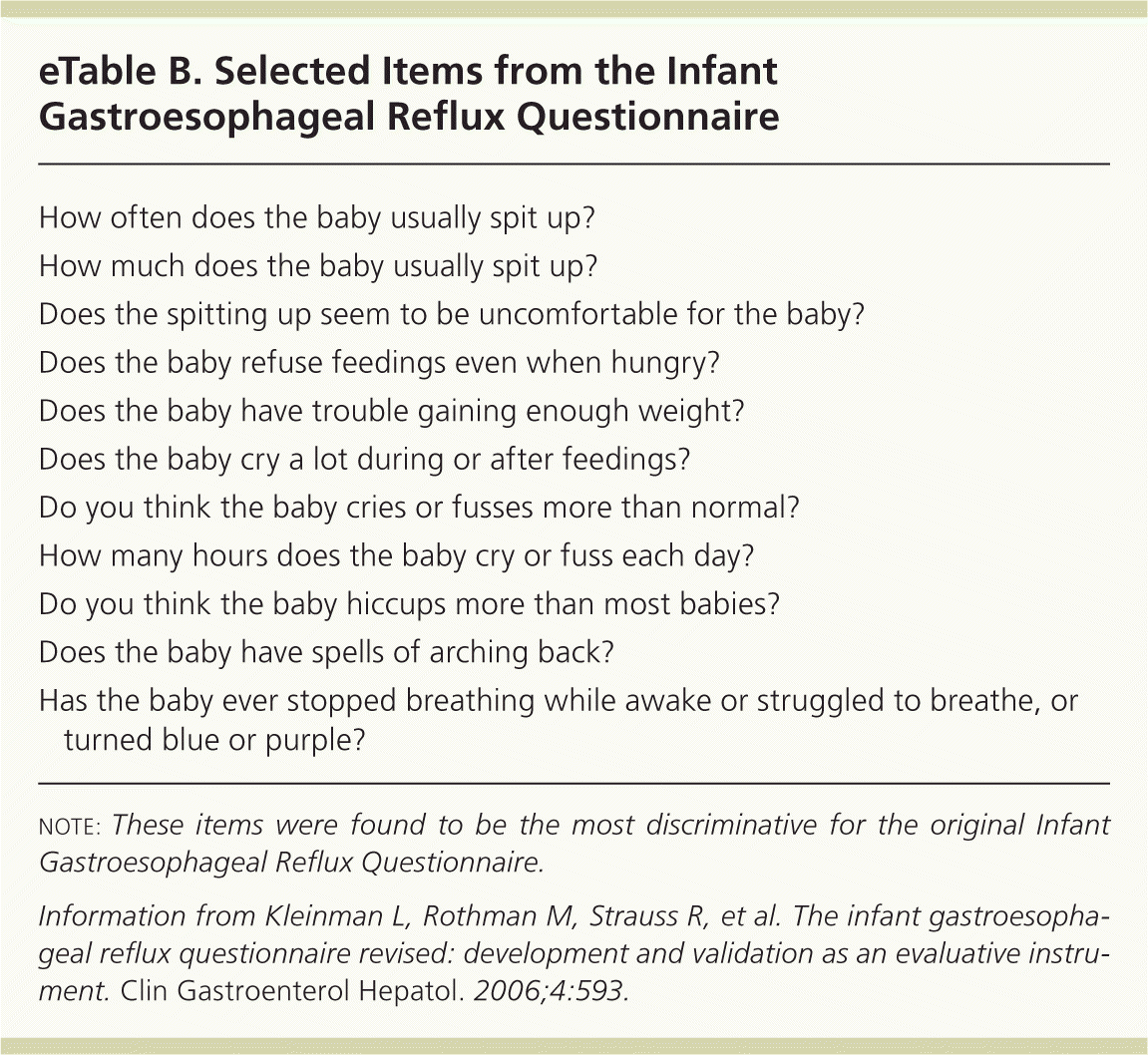
Symptoms alone do not confirm GERD. A healthcare professional may consider feeding patterns, growth, medical history, and physical findings before recommending treatment.
Why the distinction matters
Medicine is not always helpful for simple spit-up. Acid-reducing drugs may have side effects and should not be used without medical guidance. Treatment should match the cause and severity of symptoms.
A practical lesson for families is to track patterns rather than judge one difficult feeding. Note the time of feeds, the amount taken, spit-up, wet diapers, and behavior. This record can help a pediatrician see the full picture.

Common Causes That Affect Reflux Development
Newborn gastroesophageal reflux development is usually linked to normal growth. Still, certain feeding and health factors can make symptoms more noticeable.
Overfeeding
A newborn’s stomach is small. Taking too much milk at once can increase pressure inside the stomach. That pressure may push milk back through the developing esophageal valve.
Signs of possible overfeeding include frequent spit-up, a tight belly, and discomfort after large feeds. Do not reduce feeds without medical advice, especially for a young or premature baby.
Fast milk flow
A fast bottle nipple or forceful breast milk flow can cause a baby to swallow quickly. The baby may also swallow more air. This can lead to coughing, gulping, bloating, and spit-up.
A lactation consultant or pediatric feeding specialist can help assess feeding speed and positioning.
Swallowed air
Babies often swallow air while crying, feeding, or using a bottle. Air can expand in the stomach and push milk upward. Gentle burping during and after feeds may help some babies.
Burping does not prevent all reflux. It is also normal for some babies to burp very little.
Cow’s milk protein allergy
Some babies react to cow’s milk proteins in formula or, less often, through breast milk. Possible signs include blood or mucus in the stool, eczema, diarrhea, poor feeding, and significant fussiness.
These symptoms can overlap with reflux. Do not change formula or remove foods from your diet without discussing it with a healthcare professional.
Prematurity or medical conditions
Premature infants may have less mature feeding skills and digestive control. Certain airway, neurologic, or digestive conditions can also affect feeding and reflux.
A premature baby with frequent choking, oxygen changes, or poor growth needs close medical follow-up.

Safe Ways to Help a Baby With Reflux
Most newborn gastroesophageal reflux development improves with time. Small, safe adjustments may reduce spit-up and discomfort.
Offer calm, paced feeds
Try to feed your baby before intense crying begins. A very upset baby may swallow more air. Keep the feeding environment calm and pause when your baby shows signs of fullness.
For bottle feeding, paced feeding may help. Hold the bottle more level, allow pauses, and watch the baby rather than encouraging the baby to finish quickly.
Keep the baby upright while awake
Hold your baby upright against your chest for about 20 to 30 minutes after feeding when practical. Support the head and neck, and stay awake while holding the baby.
This may reduce immediate spit-up for some babies. It does not remove the need for safe sleep practices.
Burp gently
Pause once or twice during a feed to burp your baby. Use gentle pats or rubs. Avoid pressing the baby’s stomach against your shoulder.
Some babies need frequent burping. Others do not. Follow your baby’s cues.
Check feeding equipment
If you use bottles, make sure the nipple flow is suitable. A hole that is too large may release milk too quickly. A hole that is too small may frustrate the baby and increase air swallowing.
Ask a pediatrician, lactation consultant, or feeding specialist for help if feeding feels stressful or messy.
Avoid pressure after feeds
Try not to bounce, squeeze, or place the baby in a curled position right after feeding. Tight diapers can also add pressure to the belly.
These steps may help, but they cannot stop all newborn gastroesophageal reflux development. Reflux is often part of normal early growth.

Safe Sleep and Newborn Reflux
Safe sleep is more important than preventing spit-up. Babies with reflux should sleep on their backs on a firm, flat surface.
Use a crib, bassinet, or play yard with a fitted sheet only. Keep pillows, wedges, blankets, positioners, and stuffed items out of the sleep space.
Do not place a baby to sleep on the stomach or side to manage reflux. Do not raise the head of the crib or use an inclined sleeper. These methods can increase the risk of sliding, suffocation, or positional asphyxia.
A baby usually protects the airway well while lying on the back. Back sleeping remains the safest position, even for babies who spit up.
Avoid letting a baby sleep routinely in a car seat, swing, bouncer, or infant lounger. If the baby falls asleep in one of these products, move the baby to a firm, flat sleep surface as soon as possible.

When to Call a Pediatrician
Contact your pediatrician if reflux seems painful, frequent, or linked to feeding problems. Bring a simple record of feeds, spit-up, wet diapers, stools, and behavior.
Seek urgent medical care for:
• Green or yellow-green vomit
• Blood in vomit or stool
• Forceful or repeated projectile vomiting
• A swollen or hard abdomen
• Trouble breathing or blue coloring
• Extreme sleepiness or difficulty waking
• Signs of dehydration
• No wet diaper for an unusually long period
• Fever in a young infant, based on your clinician’s instructions
A newborn with a fever needs prompt medical advice. The safe temperature threshold can depend on the baby’s age and health history.
When speaking with a clinician, describe what you see rather than using only the word “reflux.” Explain whether the baby coughs, chokes, refuses feeds, cries, or loses weight. Clear details lead to better decisions.

How Doctors Assess Infant Reflux
There is no single test that confirms every case of newborn gastroesophageal reflux development. Doctors often start with a careful history and physical exam.
They may ask about:
• The baby’s age and birth history
• Breastfeeding or formula feeding
• Feed volume and frequency
• Spit-up color and force
• Crying and feeding behavior
• Wet diapers and stools
• Weight gain
• Breathing symptoms
Many healthy babies do not need tests. If symptoms are severe or unusual, a specialist may recommend studies such as a swallowing assessment, ultrasound, endoscopy, or pH monitoring.
Testing depends on the child’s symptoms. It should not be used simply because a baby spits up.
Treatment options
Treatment may include feeding support, changes in formula when medically appropriate, or care for an underlying allergy. Medication is reserved for selected cases and should be prescribed by a qualified clinician.
Acid suppression does not stop milk from coming back up. It may reduce acid but not the physical movement of milk. This is why medication decisions require careful evaluation.
Mistakes to Avoid With Newborn Reflux
Parents often receive well-meant advice that is not safe or useful. Avoid these common mistakes:
• Placing a baby on the stomach for sleep
• Using sleep positioners or crib wedges
• Adding cereal to a bottle without medical direction
• Starting solids early to stop spit-up
• Switching formulas repeatedly without guidance
• Giving over-the-counter reflux medicine
• Using thickened feeds without professional advice
• Assuming every cry is caused by reflux
• Ignoring poor growth or breathing symptoms
One of the most useful habits is to avoid changing many things at once. Make one safe adjustment, observe the result, and discuss ongoing concerns with your baby’s healthcare team.
Also remember that crying can have many causes. Hunger, tiredness, gas, overstimulation, illness, and normal infant development can all look similar to reflux.
Newborn Gastroesophageal Reflux Development and Daily Care
Living with reflux can feel like running a small laundry service. Spit-up may appear on shirts, burp cloths, and blankets all day. That does not mean you are failing or that your baby is seriously ill.
Keep extra burp cloths nearby and dress your baby in simple layers. Wash feeding items as directed, and keep a clean record of symptoms if the pattern is hard to understand.
Take care of yourself too. Ask another trusted adult to help with laundry, meals, or holding the baby while you rest. If crying feels overwhelming, place the baby safely in the crib and step away for a few minutes.
Never shake a baby. Call someone you trust or seek urgent help if you fear you may lose control.
The emotional side matters. A baby can be healthy while reflux still makes daily life tiring. Both facts can be true at the same time.
What Research Says About Reflux Improvement
Evidence and clinical guidance show that infant reflux is common, often peaks in early infancy, and usually improves as the digestive system matures. Growth, upright posture, stronger muscle control, and changes in feeding all play a role.
However, research cannot predict the exact day reflux will stop for one baby. Some infants improve quickly, while others have symptoms for many months.
Another limitation is that parents may describe similar behaviors in different ways. “Reflux,” colic, feeding difficulty, allergy, and swallowing problems can overlap. A careful clinical assessment is more reliable than online symptom lists.
The best approach combines evidence with observation. Use safe sleep practices, support calm feeding, monitor growth, and ask for medical help when symptoms seem severe or unusual.
Frequently Asked Questions About Newborn Gastroesophageal Reflux Development
When does newborn gastroesophageal reflux development usually begin?
Reflux can begin during the first days or weeks of life. It often becomes more noticeable during the first few months because babies drink more while their stomach valve is still maturing.
When does infant reflux peak?
Infant reflux often peaks at about 4 months, though timing varies. Many babies improve after 6 months and have much less reflux by 12 to 18 months.
How can I tell if my newborn has normal reflux?
Normal reflux usually involves small amounts of spit-up without major distress, breathing problems, or poor growth. A baby who feeds well and has regular wet diapers is more likely to have simple reflux, but concerns should still be discussed with a pediatrician.
Should a baby with reflux sleep on an incline?
No. Babies with reflux should sleep flat on their backs on a firm, empty sleep surface. Inclined sleepers, wedges, and positioners can increase the risk of suffocation and are not recommended.
Does reflux mean my newborn needs medicine?
No. Most babies with simple reflux do not need medicine. A clinician should decide whether treatment is appropriate, especially because acid-reducing medicine may not stop spit-up and can cause side effects.
Can breastfeeding cause newborn reflux?
Breastfeeding does not usually cause reflux. A fast milk flow, feeding too much, swallowed air, or a cow’s milk protein reaction may worsen symptoms in some babies and should be assessed carefully.
When is newborn reflux an emergency?
Seek urgent care for green vomit, blood, repeated forceful vomiting, breathing trouble, blue coloring, severe sleepiness, dehydration, or a swollen abdomen. A fever in a young infant also requires prompt medical advice.
Conclusion
Newborn gastroesophageal reflux development is usually a normal part of early digestive growth. An immature stomach valve, liquid feeds, small stomach size, and frequent lying down can all lead to spit-up. Symptoms often peak in the first months and improve as babies grow.
Focus on calm, paced feeds, gentle burping, upright time while awake, and safe back sleeping. Track symptoms and growth, and contact a pediatrician for pain, feeding trouble, poor weight gain, breathing symptoms, or unusual vomit.
Trust your observations, but do not carry the worry alone. Share this guide with another caregiver, keep learning from reliable health resources, and speak with your baby’s healthcare professional when something does not feel right.