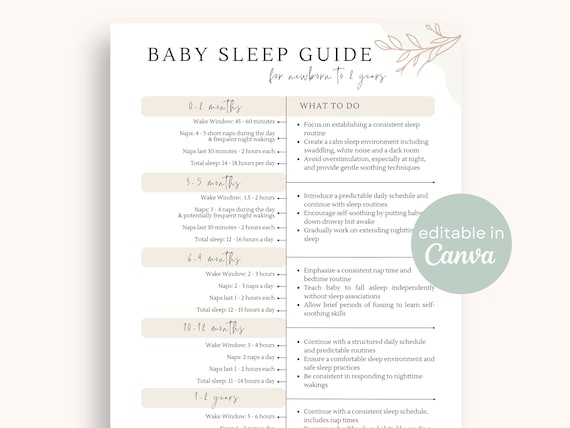
Baby sleep pressure builds during wake time and guides sleep as the brain and body mature.
Understanding baby sleep pressure development can make infant sleep feel less mysterious. Sleep pressure is the body’s natural need for rest after being awake. It works with the circadian rhythm, which helps set day and night patterns. Together, these systems shape naps, bedtime, night waking, and changing wake windows. This guide explains how the process develops, how to spot the right sleep time, and how to support healthy sleep without strict or stressful rules.
What Is Baby Sleep Pressure Development?
Baby sleep pressure development is the gradual growth of an infant’s natural drive to sleep after time awake. Adults often feel this drive as tiredness that builds across the day. Babies feel it too, but their sleep systems are still under construction.
Sleep pressure is also called the homeostatic sleep drive. A chemical called adenosine builds in the brain during wakefulness. As adenosine rises, the body feels a stronger need for sleep. Sleep lowers this pressure, much like releasing air from a balloon.
Newborns do not yet have a strong day and night rhythm. Their sleep pressure rises and falls in short cycles. This is why a young baby may sleep for two hours, wake to feed, and then become tired again soon after.
Baby sleep pressure development depends on several factors:
• Age and brain maturity
• Time spent awake
• Exposure to daylight
• Temperament
• Illness or discomfort
• Nap length and timing
• Night sleep quality
Sleep pressure is not the same as a wake window. A wake window is an estimate of how long a baby may stay awake before needing sleep. Sleep pressure is the internal drive that builds during that time.
A wake window can offer a useful starting point, but it is not a timer. One baby may sleep well after 60 minutes awake. Another may need 90 minutes. Even the same baby may need different amounts of awake time from one day to the next.

How Baby Sleep Pressure Changes by Age
Baby sleep pressure development follows a broad pattern, but every infant develops at a different pace. Growth, health, feeding, and temperament can all change sleep needs.
Birth to 3 months
Newborns often sleep 14 to 17 hours in a 24-hour period, though a wider range can be normal. Their sleep comes in short blocks because their stomachs are small and their body clocks are immature.
At this stage, sleep pressure builds quickly. A newborn may become tired after only 45 to 90 minutes awake. Some babies need sleep even sooner, especially after a difficult feed or a stimulating outing.
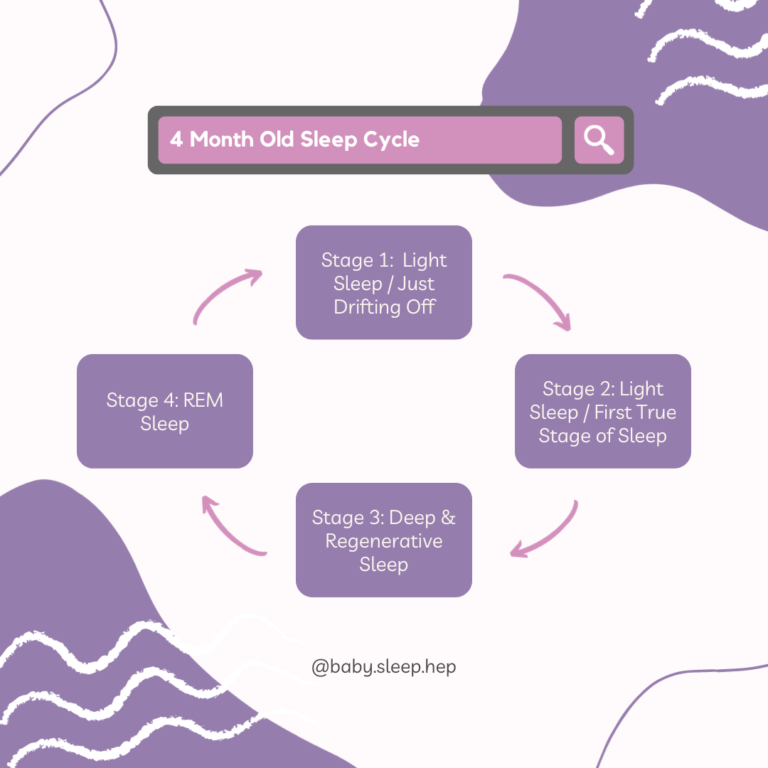
Newborns also have active sleep, which is similar to light sleep. They may grunt, twitch, smile, or move their arms. These sounds do not always mean the baby is fully awake.
Helpful habits include:
• Offer frequent feeds based on hunger cues.
• Use daylight during the morning and daytime.
• Keep nighttime feeds calm and quiet.
• Watch for early signs of tiredness.
• Keep all sleep spaces safe and clear.
3 to 6 months
Between 3 and 6 months, baby sleep pressure development becomes more predictable for many families. Babies may manage longer periods of awake time and begin to show clearer day and night patterns.
A baby in this age range may stay awake for about 1.5 to 2.5 hours, but this is only a guide. Some babies still need shorter windows, especially before the first nap.
Sleep cycles also become more organized. This can lead to more noticeable waking between cycles. A baby who once slept easily may suddenly wake more often around 4 months. This change is often linked to normal brain development, not a sign that parents have caused a problem.
6 to 9 months
Many babies in this period can stay awake for about 2 to 3.5 hours. They may move toward two or three daytime naps.
Increased movement can affect baby sleep pressure development. Crawling, sitting, pulling up, and learning new sounds may make it harder for a baby to settle. The brain may seem too busy to rest.
Separation anxiety may also appear. A baby may protest when a parent leaves the room, even when tired. A steady bedtime routine can help the baby feel safe.
9 to 12 months
Wake periods often stretch to about 3 to 4 hours. Many babies take two naps, though some begin resisting the second nap.
A common mistake is dropping a nap too soon. A baby may appear ready because of a few difficult naps, but may then become overtired by bedtime. Look for a pattern over several days rather than making a quick change after one poor nap.
12 months and beyond
Toddlers often move from two naps to one between 12 and 18 months. The change should happen when the child can handle a longer morning wake period without becoming upset or losing night sleep.
Baby sleep pressure development continues into toddlerhood, even though the sleep pattern becomes more stable. A child may still need a nap, an early bedtime, or extra support during illness and major changes.
The Role of Circadian Rhythm in Infant Sleep
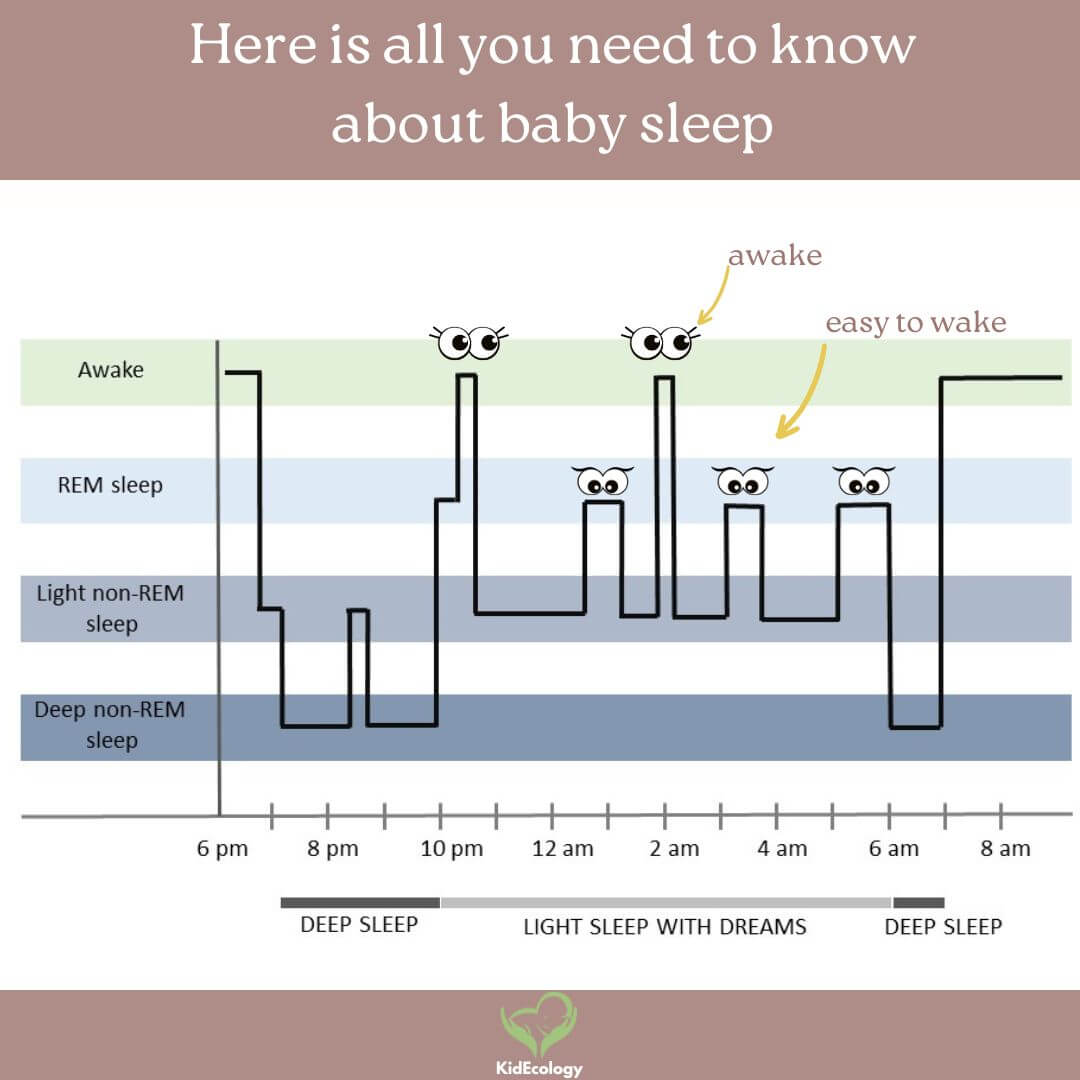
Sleep pressure and circadian rhythm are related but different. Sleep pressure answers the question, “How long has my baby been awake?” Circadian rhythm answers, “What time does the body expect sleep or wakefulness?”
The circadian rhythm is the body’s internal 24-hour clock. Light is one of its strongest signals. Morning light helps the brain understand that the day has begun. Darkness and a calm evening routine help prepare the body for night.
Newborns have a weak circadian rhythm. It begins to strengthen during the first few months. This is why a young baby may sleep more in the day and wake often at night.
You can gently support this rhythm by:
• Opening curtains after morning waking.
• Taking the baby outside in safe weather.
• Keeping daytime activity brighter and more social.
• Dimming lights before bedtime.
• Using a quiet voice during night feeds.
• Keeping nighttime changes brief.
These steps do not force a baby to sleep through the night. They simply provide clear time cues. Think of them as road signs for the developing body clock.
Baby sleep pressure development works best when both systems are supported. A baby may have strong sleep pressure but still struggle if the room is bright, noisy, or stimulating. A baby may also seem sleepy at bedtime but wake soon after if not enough sleep pressure has built.

Signs That a Baby Is Ready for Sleep
Reading sleep cues is one of the most useful skills for supporting baby sleep pressure development. Early signs are often easier to miss than late signs.
Early tired signs may include:
• Looking away from faces or toys
• Becoming quieter
• Losing interest in play
• Staring into space
• Slower movements
• Rubbing the face
• Mild fussing
Later signs may include:
• Yawning
• Red eyebrows or eyelids
• Crying
• Arching the back
• Becoming very active
• Fighting the feed or sleep
• Seeming unusually cheerful and wired
A tired baby is not always a calm baby. Some infants become more active when they are tired. This can confuse parents because the baby may look ready to play.
Overtiredness can raise stress hormones and make settling harder. It does not mean that a baby has missed a small “magic moment.” It means the body may now need more help calming down.
An undertired baby may also resist sleep. The baby may smile, babble, roll, or play in the crib. This can mean more awake time is needed before trying again.
A simple approach is to combine three clues:
-
Consider the baby’s age and usual wake pattern.
-
Watch the baby’s behavior.
-
Look at the quality and timing of the last nap.
No single sign is perfect. Patterns are more useful than one yawn.
Wake Windows and Baby Sleep Pressure Development
Wake windows can help parents understand baby sleep pressure development, but they should not become strict rules. They are ranges, not appointments.
A baby’s first wake period is often the shortest. Sleep pressure may build more slowly after a good night, but the body can still need a morning nap. Later wake windows may grow longer as the day continues.
A practical method is to start with an age-appropriate range and adjust by five to 15 minutes when needed. Make changes slowly so you can see what helps.
For example, imagine a 5-month-old who usually sleeps after about two hours awake. If the baby has begun crying at 1 hour and 45 minutes for three days, try starting the wind-down routine earlier. If the baby plays happily for 20 minutes in the crib, the wake period may need to be slightly longer.
Use this simple process:
-
Track wake time, naps, feeds, and bedtime for three days.
-
Note when the baby first shows tired signs.
-
Compare those signs with the actual sleep time.
-
Adjust the next sleep attempt by 10 minutes.
-
Review the pattern after several days.
Avoid changing the schedule every hour. Frequent changes can make it hard to tell whether the plan is helping.
Parents sometimes worry that a short nap means the baby was not tired enough. That is not always true. A short nap may happen because of hunger, noise, discomfort, a developmental change, or the normal end of one sleep cycle.
How to Support Healthy Sleep Pressure
You do not need a perfect schedule to support baby sleep pressure development. Consistent daily cues are more helpful than rigid timing.
Build a calm wind-down routine
A short routine signals that sleep is coming. It may include feeding, a diaper change, a sleep sack, a song, and a brief cuddle.
Keep the routine predictable but flexible. A routine of 10 to 20 minutes is often enough for a young baby. Older babies may benefit from a longer routine with a book or quiet play.
Use light wisely
Bright morning light supports the body clock. Low light in the evening helps reduce stimulation.
During night care, use the lowest safe light you need. Avoid turning on bright overhead lights if possible.
Protect the sleep space
A safe sleep space should be firm, flat, and free of loose items. Place the baby on the back for every sleep. The American Academy of Pediatrics recommends room sharing without bed sharing, ideally for at least the first six months.
Keep pillows, blankets, bumpers, stuffed toys, and weighted sleep products out of the crib. A wearable blanket can provide warmth without loose bedding.
Offer age-appropriate activity
Floor play, tummy time while awake, and time outdoors can support healthy sleep. Activity should not be used to exhaust a baby. An overstimulated baby may have more trouble settling.
Respond to feeding needs
Young babies often wake because they need to eat. Sleep training methods or schedule changes should never replace needed feeds. If you are unsure whether your baby is feeding enough, speak with a pediatrician or lactation professional.

Common Problems Linked to Sleep Pressure
The baby takes very short naps
Short naps are common in early infancy. A nap lasting 30 to 45 minutes may reflect one sleep cycle rather than a serious sleep problem.
Check whether the baby seems rested after waking. If the baby is happy and alert, the nap may have been enough for that moment. If the baby is upset, try an earlier next nap and reduce stimulation.
The baby fights bedtime
Bedtime resistance can happen when the baby is undertired or overtired. It can also come from hunger, discomfort, illness, or a new developmental skill.
Look at the full day rather than bedtime alone. A late nap may reduce sleep pressure, while a missed nap may push the baby into overtiredness.
The baby wakes soon after falling asleep
A waking 20 to 45 minutes after bedtime may happen when the baby moves between sleep cycles. It can also follow a bedtime that came too early or too late.
Try a small schedule adjustment. Also check temperature, hunger, reflux symptoms, nasal congestion, and the sleep environment.
The baby wakes often overnight
Frequent waking can be normal, especially in the first year. Babies may wake to feed, seek comfort, or practice new skills.
Sleep pressure alone does not explain every night waking. Safe sleep, feeding needs, illness, development, and learned sleep associations may all play a role.
The baby has a late “second wind”
Some babies become active and cheerful when they are tired. This second wind can make parents think the baby is not ready for sleep.
If this happens often, begin the wind-down routine earlier. Keep lights low and avoid exciting play during the final part of the wake period.

Mistakes to Avoid When Managing Sleep Pressure
Many parents make these mistakes because infant sleep advice can sound more exact than it really is.
• Treating wake windows as fixed rules: Babies are not clocks. Use ranges and cues together.
• Keeping a baby awake to improve night sleep: Too much awake time can increase crying and make sleep harder.
• Dropping naps after one bad day: Look for a stable pattern over one to two weeks.
• Using food to solve every waking: Hunger matters, but not every waking is caused by hunger.
• Adding unsafe sleep items: Pillows, positioners, loungers, and weighted products can increase risk.
• Comparing babies: Sleep varies widely, even among siblings.
• Changing several things at once: Small changes make results easier to understand.
A lesson many parents learn the hard way is that more tired does not always mean more sleepy. A baby who misses a nap may not sleep longer. Instead, that baby may cry more, wake more, and need extra help settling.
The most useful goal is not perfect sleep. It is a safe, responsive pattern that supports the baby’s needs and protects the caregiver’s well-being.
When to Ask a Pediatrician for Help
Sleep changes are often normal, but some concerns need medical advice. Contact a pediatrician if your baby has trouble breathing, snores loudly, pauses in breathing, turns blue, or seems unusually difficult to wake.
Also seek advice if poor sleep occurs with:
• Poor weight gain
• Repeated vomiting
• Feeding difficulty
• Persistent pain
• Fever in a young infant
• Fewer wet diapers
• Extreme irritability
• Long periods of inconsolable crying
A pediatrician can check for reflux, allergies, eczema, ear pain, breathing problems, or other health issues. Do not assume every sleep problem is caused by wake windows or sleep habits.
Caregiver mental health matters too. If sleep loss is affecting your ability to function or stay safe, ask family, friends, a health professional, or a local support service for help. A rested caregiver is not a luxury. Support is part of safe infant care.
Frequently Asked Questions About Baby Sleep Pressure Development
When does baby sleep pressure development begin?
Sleep pressure exists from birth, but newborn sleep regulation is still immature. Over the first several months, sleep pressure and the circadian rhythm become more organized.
How long should a baby stay awake?
Wake time depends on age, temperament, nap quality, and health. Use an age-based range as a guide, then adjust it based on early tired signs and the baby’s response.
Can a baby be too tired to sleep?
Yes. Overtired babies may cry, become restless, or seem unusually energetic. Starting the wind-down routine at the first clear tired signs may make settling easier.
Does keeping a baby awake longer improve night sleep?
Not usually. Too much awake time can lead to overtiredness and more difficulty settling. A balanced day with suitable naps often supports better night sleep than deliberate sleep deprivation.
Why does my baby wake after one sleep cycle?
Babies often wake briefly between sleep cycles. Hunger, discomfort, noise, light, developmental changes, or difficulty returning to sleep can make the waking more noticeable.
Should I follow wake windows or sleepy cues?
Use both. Wake windows provide context, while sleepy cues show how your baby is doing that day.
Can sleep pressure cause early morning waking?
It can play a role, but early waking may also relate to light, noise, hunger, temperature, bedtime timing, or the circadian rhythm. Look for a pattern before changing the schedule.
Is baby sleep pressure the same as sleep regression?
No. Sleep pressure is the natural drive to sleep. A sleep regression is a period of disrupted sleep that may occur during development, illness, travel, or changes in sleep needs.
Conclusion
Baby sleep pressure development is a gradual process shaped by age, wake time, naps, feeding, light, health, and brain maturity. Newborns often have short sleep cycles, while older babies slowly develop longer wake periods and clearer day and night patterns.
Use wake windows as flexible guides, watch early tired signs, and avoid pushing a baby past the point of comfort. Support the body clock with morning light, calm evenings, and a steady routine. Most importantly, keep every sleep space safe and ask a pediatrician about breathing, feeding, growth, or health concerns.
Start by observing your baby for a few days and make one small change at a time. For more practical infant sleep guidance, explore trusted pediatric resources and share your questions or experience with other parents.