Newborn sleep cues are early signs that your baby is getting tired and needs rest soon.
Understanding newborn sleep cues explained can make life easier for both you and your baby. In my experience, the biggest sleep wins often come from spotting the tiny signs before overtiredness sets in. This guide breaks down newborn sleep cues explained in a simple, practical way so you can read your baby’s signals with more confidence and build calmer nap and bedtime routines.

What newborn sleep cues mean
Newborn sleep cues are the little behaviors babies show when they are ready to sleep. They can be subtle at first, and they often show up before crying starts. Think of them like a baby’s soft “I’m getting sleepy” message.
When parents learn newborn sleep cues explained, they can respond earlier and avoid the long, fussy stretch that often comes with overtiredness. Newborns do not have strong sleep rhythms yet, so cues matter more than the clock in the early weeks. That is why watching your baby’s body language is often more helpful than waiting for a set time.
Some cues mean your baby is just starting to get tired. Others mean sleep is overdue. The goal is to catch the early signs, then move gently toward sleep before your baby gets wound up.

Common newborn sleep cues to watch for
The most helpful part of newborn sleep cues explained is learning the patterns you see again and again. Every baby is a little different, but many newborns show similar signals.
Early sleepy cues
These are the first signs your baby may be ready for sleep soon.
• Staring off into space or losing interest in faces and toys
• Slower movement and less active kicking
• Quieting down after being alert
• Yawning once or twice
• Brief eye rubbing or touching the face
• Turning the head away from light, noise, or stimulation
These cues are your best window. If you act here, naps often go more smoothly.
Mid-level sleepy cues
These signs usually mean your baby is getting more tired and may need sleep very soon.
• Fussing for no clear reason
• Slight arching of the back
• Clenching fists
• Sucking on hands more often
• Fluttery or glazed eyes
• Startling more easily
At this stage, your baby may still settle with rocking, swaddling, or a quiet room. But the window is closing.
Late sleepy cues
These usually mean your baby is overtired.
• Crying hard or escalating fast
• Turning red in the face
• Fighting soothing attempts
• Jerky movements
• Trouble latching or settling to feed
• Fully resisting sleep even though they are exhausted
This is when newborn sleep cues explained becomes especially useful. Once a baby reaches overtired mode, sleep can feel like a battle instead of a smooth landing.
Hunger cues that can look like sleep cues
This part matters because newborns often mix hunger and tired signals.
• Hand-to-mouth movements can mean hunger or self-soothing
• Rooting can mean your baby wants food, not sleep
• Fussiness can happen from either sleepiness or hunger
• Sucking motions may happen before naps or feeds
If you are unsure, think about when your baby last ate. In the newborn stage, many sleepy babies also need a feed before they can fully settle.
Why newborn sleep cues matter so much
Newborns do not have mature sleep patterns. Their sleep comes in short cycles, and they get tired quickly. That is why newborn sleep cues explained is such a useful topic for new parents.
Catching cues early can help with:
• Faster settling at naps and bedtime
• Less crying from overtiredness
• More predictable daily rhythms
• Better feeds, since a calm baby often feeds more effectively
• Less stress for parents, especially during long evenings
I have seen many families assume their baby “is just a bad sleeper,” when the real issue was timing. Once they started watching for early cues, things often improved within days. The baby was not trying to be difficult. They were simply too tired to settle well.
How to tell sleep cues from overstimulation
Sometimes a baby looks tired, but the real issue is too much noise, light, or activity. This is one reason newborn sleep cues explained should include the full picture, not just one behavior.
A sleepy baby usually looks softer and slower. An overstimulated baby may look frantic, wide-eyed, or jumpy. Both may cry, but their body language can be different.
Here is a simple way to compare them:
• Sleepy baby: yawning, zoning out, slowing down
• Overstimulated baby: waving arms, jerky motions, looking overwhelmed
• Hungry baby: rooting, sucking, searching for the breast or bottle
• Uncomfortable baby: squirming, arching, grimacing, or stiffening
If your baby is overstimulated, try reducing noise and light first. A calm room often helps more than more play.
Best ways to respond to newborn sleep cues
Once you notice the cues, the next step is to act gently and quickly. Timing matters more than fancy sleep methods in the newborn stage.
Try this simple sequence:
-
Lower stimulation
Move to a quiet, dim space and reduce talking or play. -
Check basic needs
Consider hunger, a diaper change, or burping. -
Begin a short sleep routine
This can include swaddling, rocking, white noise, or a pacifier if your pediatrician says it is okay. -
Put your baby down drowsy or fully asleep
In the early weeks, either can be normal. The main goal is calm, not perfection. -
Stay consistent
Repeating the same steps helps your baby connect the routine with sleep.
A small mistake many parents make is waiting “just a little longer.” I did this myself early on, and it often backfired. By the time I was sure the baby was tired, the overtired crying had already started.
Newborn sleep cues explained by age
Sleep cues can shift a bit as your baby grows. That is normal.
In the first 2 weeks
Your baby may sleep a lot and still give very subtle cues. They may simply get quieter, stare off, or become less active. In this stage, full crying is often a late cue.
Around 2 to 6 weeks
Cues often become easier to spot. You may see yawning, fussing, eye rubbing, and head turning more clearly. This is a great time to build a calm routine.
Around 6 to 12 weeks
Babies often become more alert, so sleep cues may get trickier to catch. Some babies suddenly seem “too awake” even when they are actually tired. This is why newborn sleep cues explained is still important, even as wake windows begin to matter more.
Wake windows and sleep cues
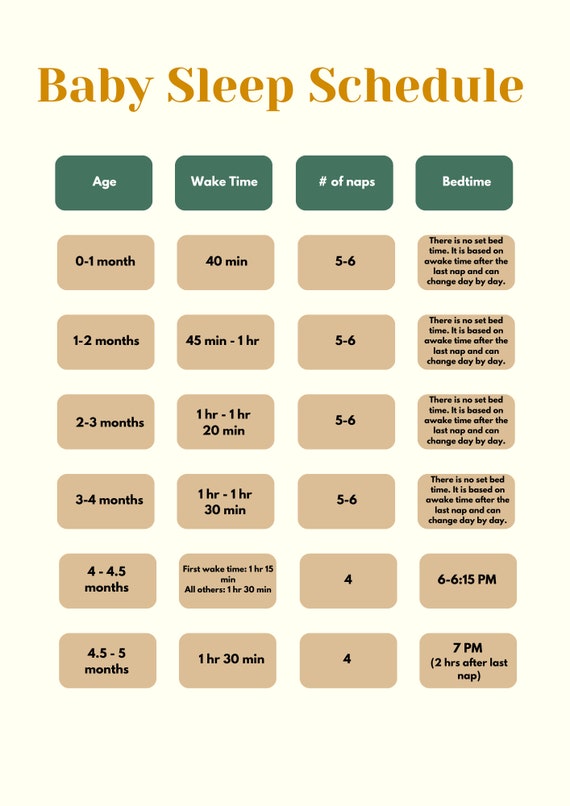
Wake windows are the amount of time your baby stays awake between sleeps. They are useful, but they should not replace cues.
For many newborns, wake windows are very short. Often they are only 45 to 90 minutes, sometimes less in the early days. That is why watching both the clock and the baby works best.
Use wake windows as a guide, then look for cues like:
• Slowing down
• Yawning
• Losing interest
• Fussing
• Looking away from stimulation
If your baby shows sleepy cues early, follow them. If they seem cheerful and alert, they may not be ready yet even if the clock says it is time. Newborn sleep cues explained works best when you treat timing as a guide, not a rulebook.
How to build a simple nap routine around sleep cues
A routine does not need to be long to work. In fact, newborns usually do better with short, repeatable steps.
Try this:
• Feed if needed
• Change diaper if needed
• Swaddle or use a sleep sack as advised
• Dim the lights
• Turn on white noise
• Rock, sway, or hold your baby until calm
Keep the routine calm and boring. That may sound funny, but boring is good for sleep.
One lesson I learned from experience is that too much effort can make things harder. If every nap becomes a big production, babies can get overstimulated. Simple and steady usually wins.
When sleep cues are hard to read
Some babies are easy to read. Others are like little mysteries. If your newborn’s cues are hard to spot, you are not doing anything wrong.
This can happen when:
• Baby is very alert
• Baby is colicky or gassy
• Baby is very young and still adjusting
• Baby is overtired often
• The home environment is loud or bright
If cues are unclear, use a mix of signs. Track feeding times, wake windows, and behavior patterns over a few days. You may notice that your baby gets fussy around the same time each day.
It also helps to remember that no parent reads cues perfectly. The goal is not perfection. The goal is learning your baby’s rhythm little by little.
What the research and experts generally support
Child development experts have long noted that newborns depend on caregiver help to regulate sleep, feeding, and comfort. Pediatric guidance commonly supports responsive care in the early months, which means observing baby-led signals and responding before distress builds.
Sleep medicine groups and pediatric health organizations also emphasize safe sleep practices, consistent routines, and age-appropriate expectations. Newborns need frequent sleep and frequent feeds, and their sleep is naturally fragmented. That is normal development, not a sign that something is wrong.
The most trustworthy approach is simple: watch for cues, keep routines calm, and follow safe sleep guidance. If you ever worry about unusual sleepiness, feeding problems, or a sudden change in behavior, talk with your pediatrician.
Common mistakes parents make with newborn sleep cues
A few mistakes come up again and again.
• Waiting for full crying before starting sleep
• Confusing hunger with sleepiness
• Keeping baby awake too long for family schedules
• Using too much stimulation right before naps
• Expecting a newborn to sleep like an older baby
The biggest one is assuming that more awake time means better sleep. For newborns, the opposite is often true. Shorter wake time can mean easier sleep.
Frequently Asked Questions of newborn sleep cues explained
How do I know if my newborn is sleepy or just bored?
A sleepy baby often shows slower movement, yawning, and less interest in faces or toys. A bored baby is usually calm and may perk up when you interact or change the scene.
What is the most common newborn sleep cue?
Yawning is common, but it is often not the first cue. Slowing down, zoning out, and turning away from stimulation usually happen earlier.
Can a newborn be overtired?
Yes, very easily. Newborns have short wake windows, so if sleep cues are missed, they can move quickly into fussing and crying.
Should I wait until my baby cries to put them to sleep?
No, crying is usually a late sleep cue. It is better to respond earlier, when your baby is calm and still easier to settle.
Do sleep cues change as newborns grow?
Yes, they often become clearer after the first few weeks, but they can also be harder to read as babies get more alert. That is why it helps to watch both body language and timing.
Conclusion
Learning newborn sleep cues explained is one of the most practical skills you can build in the early months. When you notice the early signs, you can help your baby settle faster, avoid overtired crying, and make naps feel less stressful for everyone.
Trust the small signals, keep your routine simple, and remember that reading your baby takes practice. Start watching for patterns today, and if this guide helped, explore more newborn sleep resources or leave a comment with your biggest sleep cue question.