Baby separation anxiety stages usually begin around 6 months, peak near 10 to 18 months, and fade with steady comfort.
Baby separation anxiety stages can feel intense, but they are also a normal part of healthy development. I’ve seen how confusing it can be when a baby who once waved happily suddenly cries the moment you leave the room. In this guide, I’ll walk you through the baby separation anxiety stages, what causes them, how to respond at each stage, and when to get extra help so you can feel calmer and more prepared.

What baby separation anxiety is and why it happens
Baby separation anxiety is the distress some babies feel when a parent or caregiver leaves. It usually starts when babies begin to understand that people still exist even when they cannot see them. That idea, called object permanence, is a big mental leap.
This is not a sign that you are doing anything wrong. It often means your baby has formed a strong bond with you and now knows you matter. In that way, baby separation anxiety stages are tied to healthy attachment, not bad behavior.
Common signs include:
- Crying when you leave the room
- Clinging more than usual
- Waking more at night
- Acting shy with new people
- Reaching for you instead of others
I always tell parents to think of it like this: your baby is learning that you are separate from them, but still safe and reliable. That lesson takes time.
The main baby separation anxiety stages
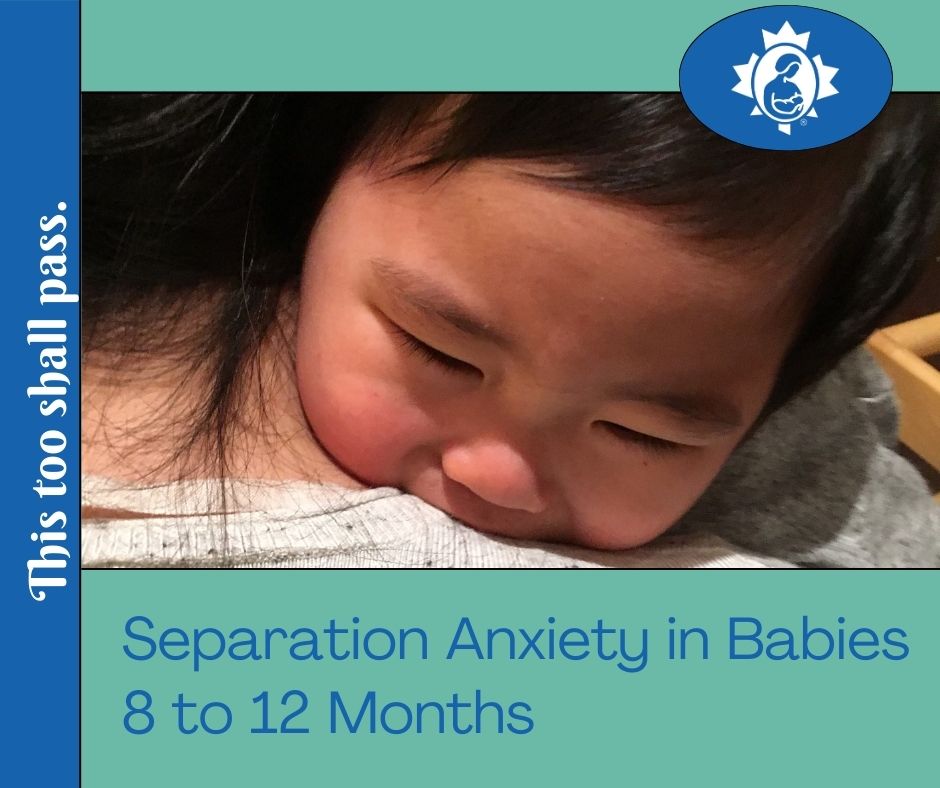
The baby separation anxiety stages do not look exactly the same in every child. Still, there is a common pattern that helps parents know what to expect. These stages often change as your baby grows, thinks more clearly, and gets more comfortable with routine.
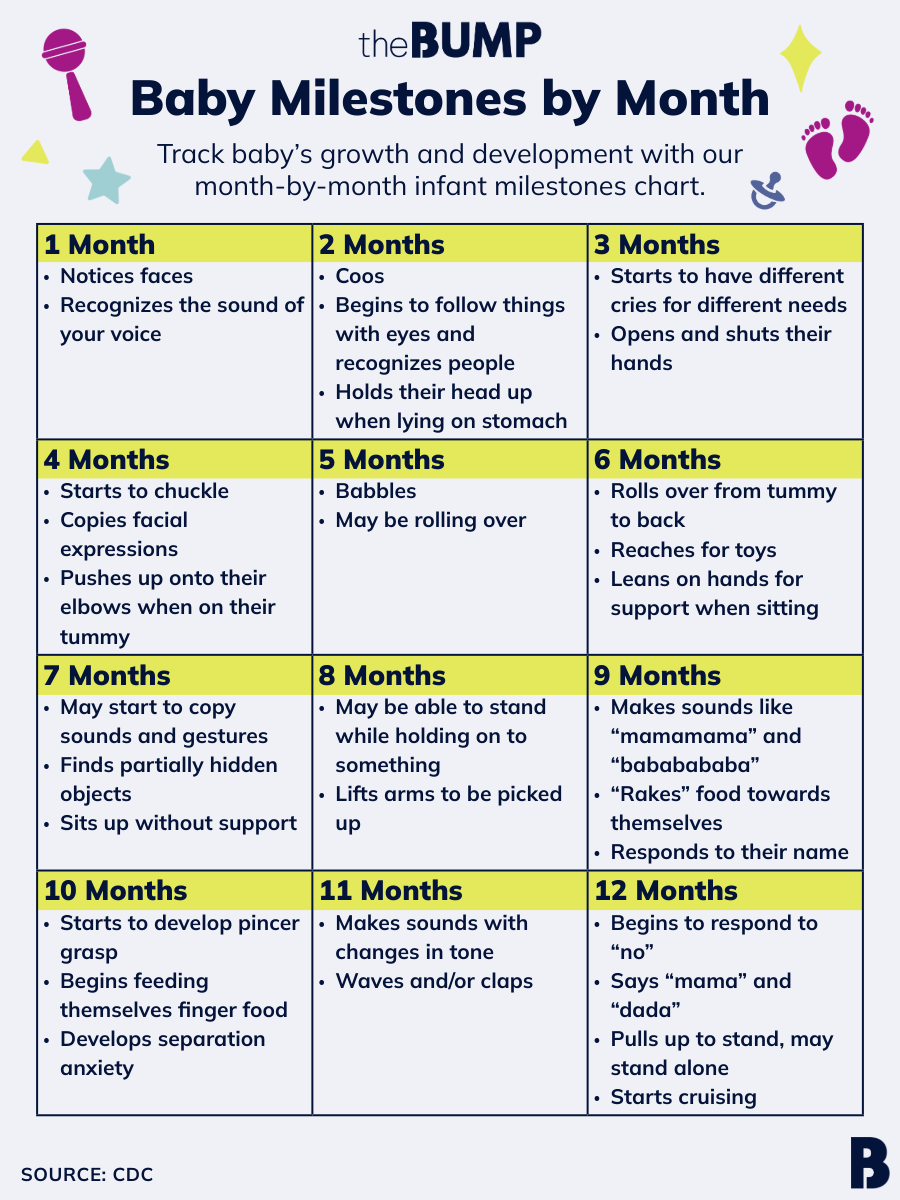
Stage 1: Early awareness, around 4 to 6 months
At this stage, babies may begin noticing when a caregiver leaves. They may not fully panic yet, but they can become fussy or unsettled when you move away. This is often the first hint that baby separation anxiety stages are beginning.
You may notice:
- More crying when placed down alone
- Fussing during bedtime
- Greater interest in your face and voice
- A stronger need to be held
This stage is usually mild. A familiar voice, a predictable routine, and short absences help a lot.
Stage 2: Stronger attachment, around 6 to 9 months
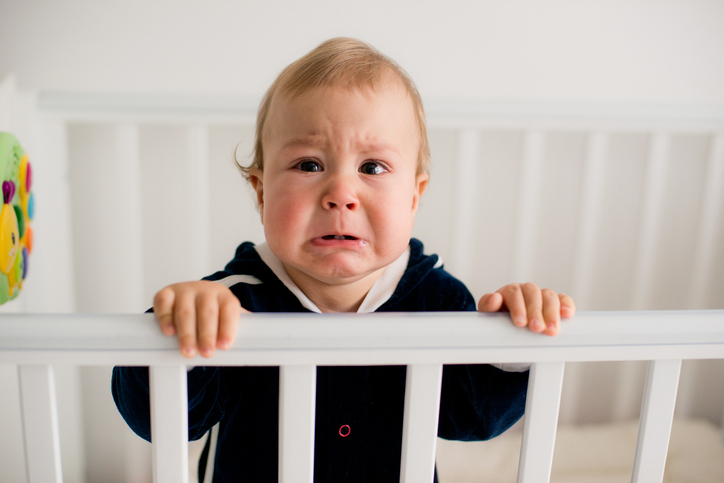
This is often when separation anxiety becomes more obvious. Babies now know you are gone, and they may protest loudly. They may also show fear around unfamiliar faces or places.
You might see:
- Crying when you leave the room
- Reaching toward you and refusing strangers
- Trouble settling with another caregiver
- Upset during drop-off moments
I’ve seen parents mistake this for being “spoiled,” but that is not what is happening. Your baby is using the only tool they have: protest. In the baby separation anxiety stages, this phase can feel like a big emotional wave.
Stage 3: Peak anxiety, around 10 to 18 months
This is the stage many families find hardest. Babies may understand more, remember more, and resist separation more strongly. They may become upset even when they can still see you leaving.
Typical signs include:
- Intense crying at daycare drop-off
- Clinging during social visits
- Sleep disruptions
- Fear of being left with someone new
- Trouble calming after a goodbye
This phase often overlaps with stranger anxiety, which can make things feel even bigger. The good news is that this is a known part of development, and it usually improves with patience and repeated safe experiences.
Stage 4: Gradual easing, around 18 months to 2 years
By this stage, many toddlers start to understand that you always come back. They may still have hard moments, especially during stress, illness, or change, but the anxiety often becomes less intense. This is one of the most reassuring baby separation anxiety stages because progress becomes easier to see.
You may notice:
- Faster recovery after goodbyes
- More comfort with trusted caregivers
- Better tolerance for short separations
- Less crying during routine transitions
Even so, separation stress can return during big life changes. New siblings, moving homes, travel, and illness can all stir it back up.

What causes baby separation anxiety stages to intensify
Several things can make baby separation anxiety stages feel stronger. Usually, it is not one single cause. It is a mix of brain development, attachment, temperament, and life changes.
Brain and memory growth
As babies grow, they remember people and routines better. That is a good thing, but it also means they notice when something is missing. Their memory tells them, “Mom usually comes back,” but their emotions may still say, “Where did she go?”
Temperament
Some babies are naturally more sensitive. They may react more strongly to change, noise, or unfamiliar people. A baby’s personality can shape how the baby separation anxiety stages show up.
Routine changes
Travel, illness, daycare start, teething, or a parent returning to work can all make anxiety worse. Babies do best when life feels predictable. Even small changes can matter.
Stress in the home
Babies are very tuned in to tone, movement, and mood. If the home feels rushed or tense, they may become more unsettled. Calm routines can help lower the pressure.
Strong attachment
A secure bond can sometimes look like more crying at goodbye. That sounds odd, but it makes sense. A baby who is deeply attached may protest more because that person matters most.
How to support your baby through each stage
The best support is usually simple, steady, and boring in the best way. Babies do not need fancy tricks. They need a clear pattern that tells them, “You are safe, and I will return.”
Use short, calm goodbyes
Keep goodbyes brief and warm. Long, emotional exits often make things harder. Say what you are doing, give a hug, and leave.
Helpful phrases:
- I’ll be back after snack time
- You are safe with Grandma
- I love you, and I will see you soon
Practice small separations
Start with tiny steps if your baby struggles. Leave the room for a minute and come back. Then build up slowly. This helps baby separation anxiety stages feel less overwhelming.
Keep routines consistent
A predictable pattern helps babies know what comes next. Try to keep nap time, bedtime, and daycare drop-off routines the same each day. Familiarity is soothing.
Give comfort objects
A favorite blanket, stuffed toy, or sleep sack can help a baby feel connected. For daycare or babysitting, a familiar item can make a big difference. Just make sure it is safe for your baby’s age.
Stay calm yourself
Babies often borrow our nervous system. If you are anxious, they may feel it too. A calm voice, steady body, and confident goodbye can help more than a long speech.
Build trust with caregivers
Let your baby spend time with trusted adults while you are still nearby. This helps them learn that other people can be safe too. The goal is not to rush independence, but to grow it little by little.

Common mistakes parents make
When baby separation anxiety stages are hard, it is easy to react from stress. I have seen a few patterns come up again and again. The good news is that they are fixable.
Sneaking away
Leaving without saying goodbye may seem easier in the moment, but it can backfire. If your baby notices you vanished, trust can get shaken. A short goodbye is usually better.
Making a big scene
A dramatic exit can make a baby even more upset. Try to stay steady and calm. Your baby is reading your energy as much as your words.
Forcing long separations too fast
Some practice is good, but pushing too hard can make things worse. Move in small steps and watch your baby’s cues. Confidence grows best in manageable doses.
Sending mixed signals
If one day you comfort and the next day you dismiss the crying, your baby may get confused. Consistency matters. Choose a response plan and stick with it.
Assuming it will never end
This stage can feel endless, especially during peak months. But baby separation anxiety stages usually improve over time. That reminder can help you stay patient on the tough days.
When baby separation anxiety is normal and when to ask for help
Most separation anxiety is normal. It becomes part of healthy emotional growth and usually fades as your child gains confidence. Still, there are times when it is worth checking in with a pediatrician or child specialist.
Consider asking for help if your baby:
- Cannot calm down after separations even with support
- Refuses most caregivers for a long time
- Has major sleep problems tied to fear
- Stops eating, playing, or exploring normally
- Shows anxiety that seems extreme for their age
It is also smart to ask questions if your baby suddenly changes behavior after illness, trauma, or a major family stress. Trust your instincts. You know your child better than anyone.
Practical tips for daycare, bedtime, and travel
Different settings can bring out different parts of baby separation anxiety stages. A little planning can make these moments much smoother.
Daycare drop-off
- Keep the goodbye short
- Use the same phrase each day
- Hand your baby to a trusted caregiver confidently
- Do not linger if it makes crying worse
Bedtime
- Build a simple wind-down routine
- Keep lights low and voices soft
- Use a comfort object if safe
- Offer the same bedtime steps every night
Travel and new places
- Bring familiar items from home
- Keep naps and meals as close to normal as possible
- Allow extra time for adjustment
- Expect a few rough moments and stay flexible
These small habits can reduce stress. In my experience, the more predictable the environment, the easier baby separation anxiety stages are to manage.
What experts and research generally show
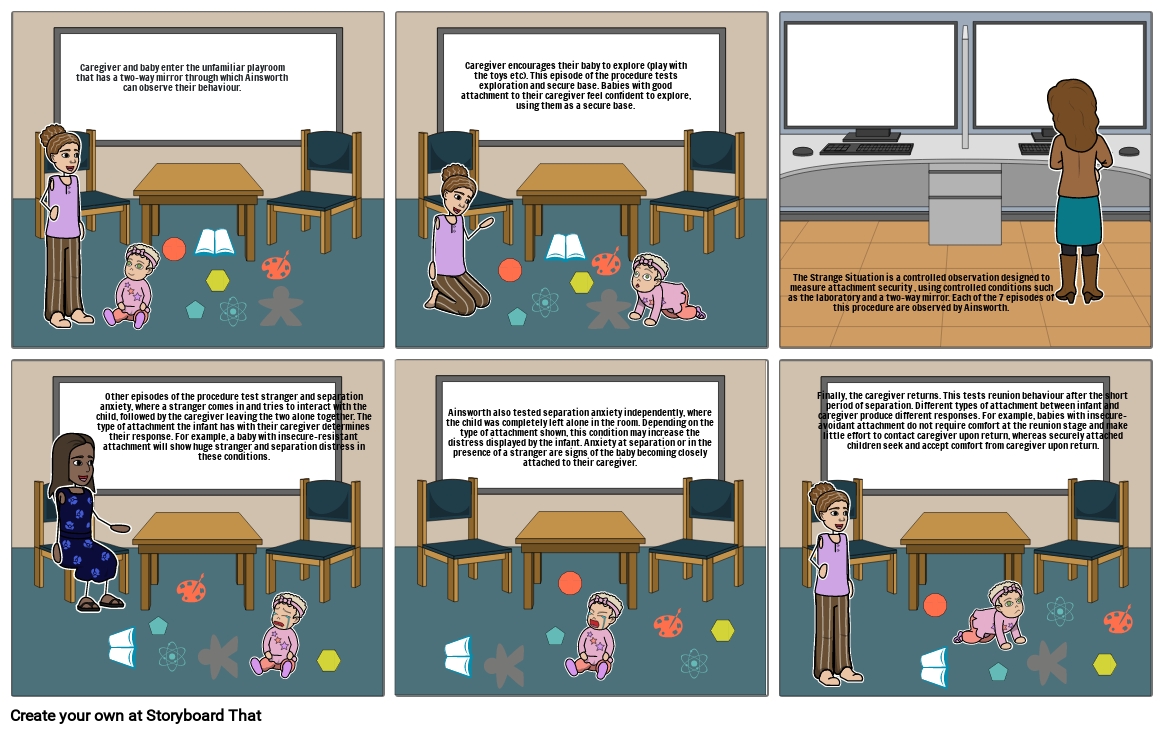
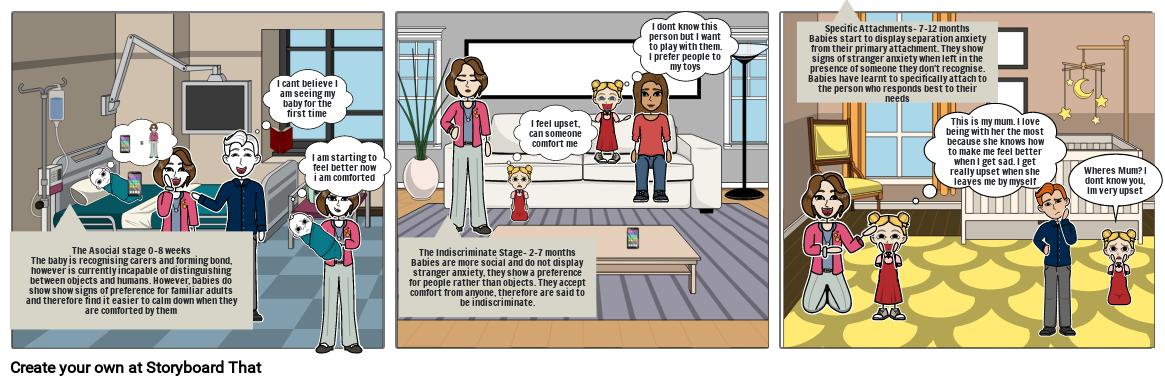
Developmental research has long shown that separation anxiety is a normal part of infancy and toddlerhood. It tends to rise when object permanence develops and when children become more aware of who cares for them. This is why the baby separation anxiety stages often intensify in the second half of the first year.
Health organizations also note that most children outgrow this with time, routine, and supportive caregiving. That does not mean every child follows the same clock, but it does mean parents can expect gradual progress. A warm, consistent response is one of the most effective tools you have.
Frequently Asked Questions of baby separation anxiety stages
What age do baby separation anxiety stages usually begin?
Baby separation anxiety stages often begin around 4 to 6 months, when babies start noticing when a caregiver leaves. For many babies, it becomes more obvious between 6 and 9 months.
How long do baby separation anxiety stages last?
For many children, the hardest period lasts from about 10 to 18 months and then gradually improves. Some children still have mild separation stress into the toddler years, especially during change or stress.
Is separation anxiety a sign of a secure attachment?
Yes, often it is. A baby who is upset when you leave may be showing that they know you are important and trusted, which can be a sign of healthy attachment.
Should I sneak out to avoid upsetting my baby?
Usually, no. Sneaking out can make your baby feel confused and less secure, while a short, calm goodbye helps build trust over time.
When should I worry about separation anxiety?
You should check in with a pediatrician if the anxiety seems extreme, lasts for a long time, or interferes with sleep, eating, or daily life. Sudden changes after stress or illness are also worth discussing.
Can daycare make baby separation anxiety worse?
Daycare can make the transition harder at first, but many babies adjust with time and consistency. A steady routine and a trusted caregiver often help the baby separation anxiety stages become easier.
Conclusion
Baby separation anxiety stages are a normal part of growing up, even when they feel hard in the moment. From the first hints of awareness to the peak months and the slow easing that follows, your baby is learning trust, memory, and emotional safety.
The biggest takeaway is this: stay calm, stay consistent, and keep goodbyes simple. Small steps add up, and your steady care helps your baby build confidence one separation at a time. If this guide helped you, explore more child development tips, share your experience in the comments, or subscribe for more practical parenting support.