Baby teething symptoms often include sore gums, drooling, chewing, fussiness, and sleep changes.
Baby teething symptoms can look a lot bigger than they are. I’ve seen many parents worry that something is wrong, when in fact their baby is simply starting a normal stage of growth. In this guide, I’ll walk you through the most common baby teething symptoms, what is normal, what is not, and how to help your baby feel better with calm, practical steps.
What baby teething symptoms look like
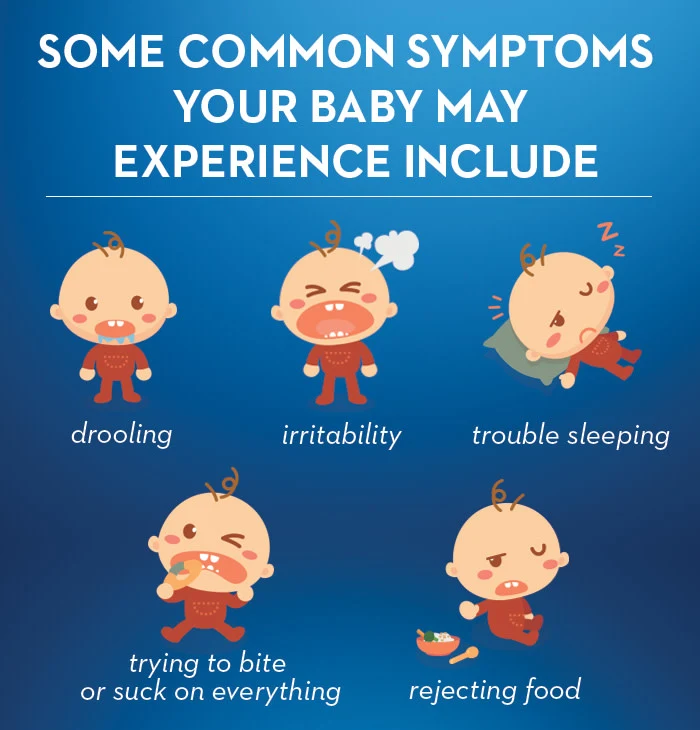
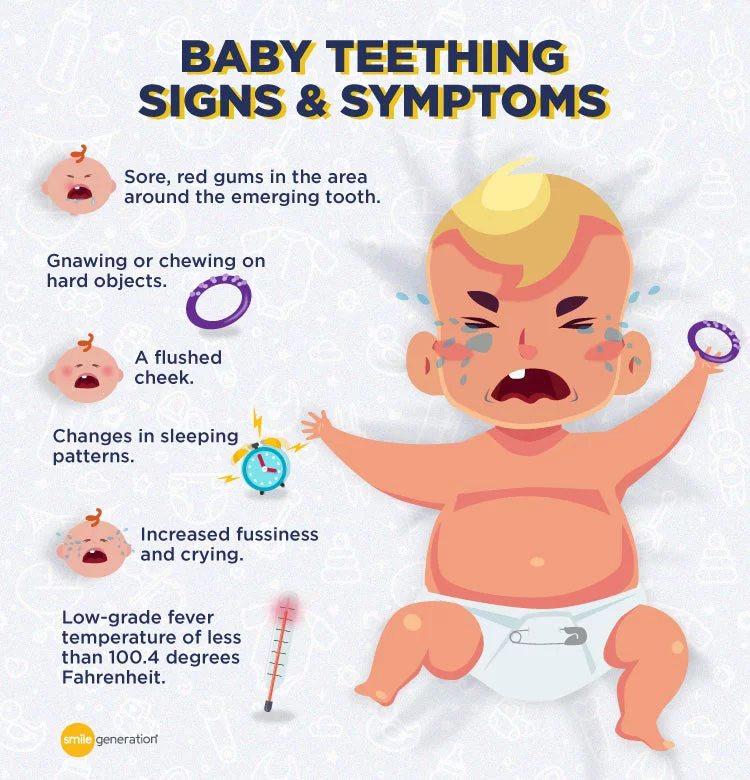
Baby teething symptoms usually start before a tooth fully breaks through the gum. The gums may look red or swollen, and your baby may want to chew on everything in sight. Some babies barely seem bothered, while others act like their whole world is off for a few days.
The most common baby teething symptoms include:
- Swollen or tender gums
- Increased drooling
- Chewing on fingers, toys, or clothing
- Fussiness or crying more than usual
- Trouble sleeping
- A mild change in eating habits
- Rubbing the face or pulling at the ears
One thing I always remind parents is this: teething can be uncomfortable, but it should not make a baby very sick. If the symptoms seem extreme, it is smart to look for another cause.
When teething usually begins
Teething often starts around 6 months, but this can vary a lot. Some babies get their first tooth as early as 3 months, while others do not start until after 12 months. Both can still be normal.
The first teeth to appear are usually the bottom front teeth, called the lower central incisors. After that, the top front teeth often follow. The whole teething process can continue into toddlerhood as more teeth come in.
Parents often ask if early teething means something is wrong. Usually, it does not. Baby teething symptoms depend on the child, just like sleep habits, appetite, and temperament do.
Common baby teething symptoms in detail
Drooling more than usual
Drooling is one of the most common baby teething symptoms. As teeth move under the gums, babies often make more saliva. You may notice a wet chin, damp clothes, or even a mild rash around the mouth.
Try keeping the skin dry and using a soft bib. A thin layer of baby-safe barrier cream can help protect irritated skin.
Chewing and biting
Many babies chew to ease pressure on their gums. You may see them gnaw on teething rings, fingers, pacifiers, or even your shoulder. This is one of the clearest baby teething symptoms because the chewing helps soothe the sore area.
Make sure anything your baby chews is clean and safe. Avoid small parts, hard plastics, and objects that can break apart.
Fussiness and irritability
A sore gum can make a baby cranky. Some babies cry more, want to be held more, or seem upset for no clear reason. This can come and go, often worse in the late afternoon or evening.
In my experience, this is the symptom that makes parents second-guess everything. But if your baby is otherwise okay, baby teething symptoms may simply be the cause of the extra fuss.
Sleep changes
Teething can disrupt sleep. Your baby may wake more often, have a harder time settling, or seem more restless at night. This can happen because gum pain feels more noticeable when things get quiet.
A soothing bedtime routine can help. Keep lights low, use gentle rocking if your baby likes it, and stay consistent.
Changes in eating
Some babies eat less when they are teething because sucking or chewing may bother their gums. Others want to nurse or drink more often because it feels comforting. This is another classic sign among baby teething symptoms.
Offer soft foods if your baby eats solids. Cold foods like chilled applesauce or yogurt can feel soothing, as long as they are age appropriate.
Rubbing the face or pulling the ears
Babies sometimes rub their cheeks, tug their ears, or put their hands near their mouth. This can happen because gum pain sometimes seems to spread to nearby areas. It is not always a sign of an ear infection, but it can look like one.
If ear pulling happens along with fever, severe crying, or poor feeding, check with a pediatrician. That may point to something more than baby teething symptoms.
What does not usually come from teething
This part matters because teething gets blamed for almost everything. Mild symptoms are normal, but teething usually does not cause serious illness.
Teething is not a likely cause of:
- High fever
- Severe diarrhea
- Persistent vomiting
- A strong cough
- Trouble breathing
- A rash beyond mild drool irritation
- Major loss of appetite for more than a short time
If these appear, call your child’s doctor. It is easy to assume baby teething symptoms are to blame, but it is safer to look deeper when symptoms feel intense.
How to soothe baby teething symptoms
Helping a teething baby is often about comfort, not cure. The goal is to reduce gum pressure and keep your baby calm.
Try these simple steps:
- Offer a clean teething ring that has been chilled in the refrigerator, not frozen
- Use a clean, damp washcloth for your baby to chew on
- Gently rub your baby’s gums with a clean finger
- Offer cool, soft foods if your baby is eating solids
- Keep drool dry to prevent skin irritation
- Hold and comfort your baby more often during hard moments
I learned early on that frozen teething toys can be too hard and too cold for little gums. Chilled is usually enough. Small comfort steps often work better than big fixes.
Safe teething relief and what to avoid
Not every teething product is a good choice. Safety matters more than marketing claims.
Safe options include:
- Refrigerated teething rings
- Soft silicone teethers
- Cold, wet washcloths
- Gentle gum massage
Avoid these:
- Teething gels with benzocaine for babies
- Homeopathic teething tablets unless your doctor specifically approves them
- Necklaces or bracelets made for teething
- Frozen toys that can hurt gums
- Anything with small parts or breakable pieces
The American Academy of Pediatrics and similar child health experts have warned against benzocaine products for infants because of safety concerns. When in doubt, simple is safer.
When baby teething symptoms are not normal
It can be hard to know when to worry. Most baby teething symptoms are mild and short-lived, but some signs need medical attention.
Call your pediatrician if your baby has:
- Fever over 100.4°F in a young infant
- Diarrhea that lasts
- Vomiting
- A rash that is not just around the mouth
- Refusal to drink fluids
- Signs of dehydration such as fewer wet diapers
- Severe crying that does not improve
- Trouble breathing
- Ear pain with fever or drainage
One of the biggest mistakes I see is parents waiting too long because they think every symptom is “just teething.” Trust your instincts. If something feels off, it is worth checking.
How long baby teething symptoms last
Baby teething symptoms often come and go. They may flare up for a few days before a tooth breaks through, then ease, then return when the next tooth starts moving. That is why teething can feel like a long stretch instead of one short event.
The good news is that the worst discomfort often lasts only a short time around each tooth. Some babies handle it well, while others need more comfort and routine. Both are normal.
Tips from real-life experience
After seeing many families deal with teething, a few lessons come up again and again.
- Keep extra bibs and burp cloths nearby. Drool can sneak up fast.
- Watch patterns instead of one bad moment. Baby teething symptoms usually have a rhythm.
- Use simple comfort first. A cool teether or gum rub often helps more than fancy products.
- Do not assume every fever or stomach issue is teething. Illness can happen at the same time.
- Stay calm. Babies often pick up on your stress.
Teething can feel messy and endless, but it is usually a temporary stage. A little preparation goes a long way.
Frequently Asked Questions of baby teething symptoms
What are the first baby teething symptoms?
The first baby teething symptoms often include drooling, gum swelling, chewing, and extra fussiness. Some babies also sleep poorly or want to feed more often for comfort.
Can teething cause fever?
Teething may cause a very mild temperature change, but it does not usually cause a true fever. If your baby has a fever over 100.4°F, contact a doctor.
Do all babies get baby teething symptoms?
No, not all babies show obvious baby teething symptoms. Some babies seem barely bothered, while others have several signs like drooling, irritability, and poor sleep.
How can I tell if my baby is teething or sick?
Teething usually causes mild gum discomfort, drooling, and chewing, but not major illness. If your baby has high fever, vomiting, breathing trouble, or severe diarrhea, it is more likely something else.
What is the best thing to give a teething baby?
The safest options are chilled teething rings, a clean wet washcloth, or gentle gum massage. Avoid numbing gels and products that are not meant for infants.
Conclusion
Baby teething symptoms are common, but they can still be exhausting for both babies and parents. The key is to know the normal signs, use safe comfort measures, and watch for symptoms that do not fit teething.
If you stay calm and focus on simple relief, this stage becomes much easier to manage. Keep learning, trust your instincts, and talk with your pediatrician when something feels off. For more helpful baby care tips, explore related guides and stay prepared for each new stage.