Baby milestones by month show how most babies grow, move, talk, and connect in the first year.
Watching a baby grow month by month is one of the most exciting parts of parenthood. I’ve seen how tiny changes like a first smile, a stronger neck, or a better grasp can mean a lot more than they seem at first. This guide on baby milestones by month breaks down what you may see, what is normal, and when to check in with your child’s doctor.
What baby milestones by month really mean
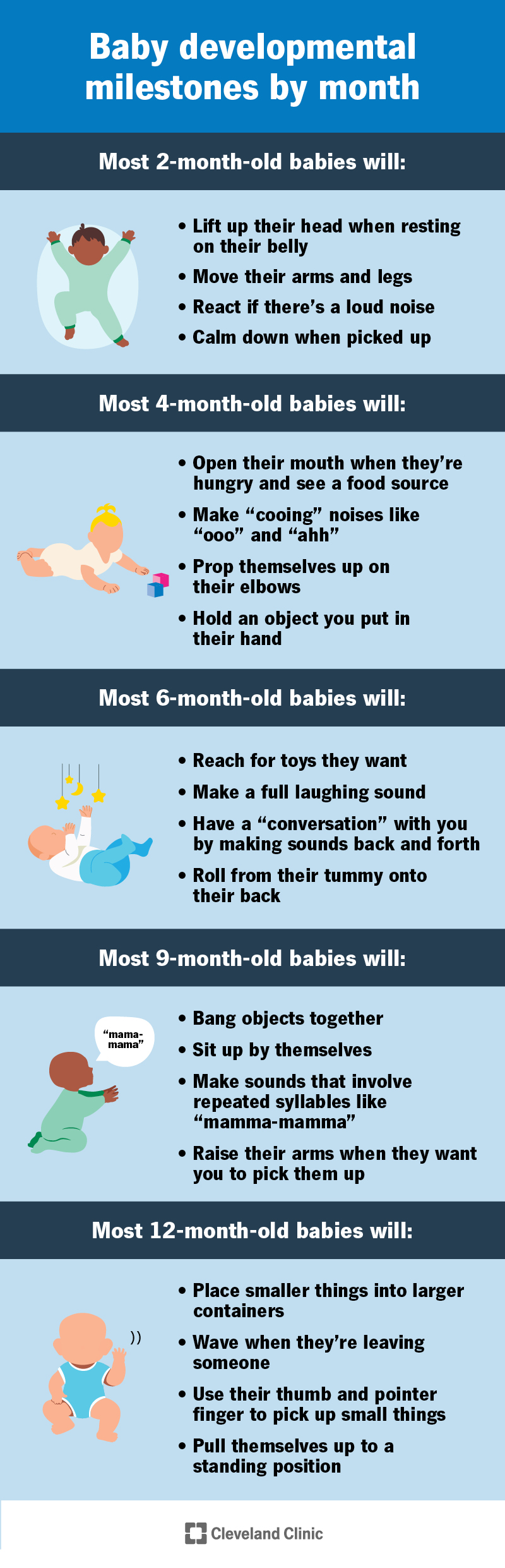
Baby milestones by month are common skills most babies reach around a certain age. They cover movement, speech, social skills, and thinking skills. These milestones help parents track development, but they are not a race.
Every baby grows at a different pace. Some babies roll early and talk later. Others are quiet at first and then suddenly seem to take off. That range is normal, which is why baby milestones by month should be used as a guide, not a strict test.
In pediatrics, milestones are often grouped into broad areas:
- Gross motor skills, like lifting the head, sitting, crawling, and walking
- Fine motor skills, like grabbing toys and transferring objects
- Language skills, like cooing, babbling, and first words
- Social and emotional skills, like smiling, eye contact, and responding to names
These baby milestones by month are helpful because they give you a simple way to notice progress early. They can also help you spot delays sooner, which can make support more effective.

Baby milestones by month: 0 to 3 months
The first three months are all about adjustment. Your baby is learning how to live outside the womb, and much of the progress is small but important.
1 month
At one month, babies usually spend most of their time sleeping, eating, and slowly waking up to the world. You may notice brief eye contact and tiny head movements.
Common baby milestones by month at this age include:
- Lifting the head slightly during tummy time
- Turning toward sounds
- Clenching hands into fists
- Calming a little when held or fed
I remember how easy it was to overlook these early wins. But even a short moment of eye contact can be a big sign that your baby is starting to connect.
2 months
By two months, many babies become more alert. They may start to smile at familiar faces, which is often one of the most heartwarming milestones.
Look for:
- Social smiling
- Better head control
- Making cooing sounds
- Following objects with their eyes
This is also when babies begin to show more interest in voices and faces. It is one of the first clear signs that baby milestones by month are moving forward in social and language development.
3 months
At three months, babies often seem more expressive and interactive. They may enjoy play, sound, and face-to-face time.
Common baby milestones by month here include:
- Holding the head up more steadily
- Pushing down on legs when supported
- Swatting at toys
- Smiling more often and clearly
Tummy time becomes more valuable now because it helps build neck, shoulder, and upper body strength. If your baby hates it at first, short sessions are still useful.
Baby milestones by month: 4 to 6 months
This middle stage often brings big visible changes. Babies get stronger, more social, and more curious about the world.
4 months
At four months, babies usually have better control of their head and upper body. They may start reaching for toys and bringing hands together.
You might see:
- Rolling from tummy to back
- Laughing or squealing
- Grasping toys
- Watching people move across the room
This stage can feel like a turning point. The baby who once seemed sleepy and still may suddenly become very engaged.
5 months
By five months, hand use often improves. Babies may grab objects more accurately and mouth toys often as they explore through touch.
Typical milestones include:
- Reaching with both hands
- Responding to sounds with excitement
- Rolling in one direction more often
- Showing interest in different voices and faces
This is also a good time to offer safe toys with different textures. Babies learn a lot through their hands and mouths.
6 months
Six months is a major checkpoint in baby milestones by month. Many babies can sit with support, roll both ways, and show strong interest in food and people.
Look for:
- Sitting with little support
- Rolling both directions
- Babbles like “ba” or “da”
- Recognizing familiar people
Some babies start solids around this time if they are developmentally ready. Signs of readiness include good head control and sitting with support.
Baby milestones by month: 7 to 9 months
This stage often brings mobility, more babbling, and stronger attachment. Babies are usually more active and more aware of who is around them.
7 months
At seven months, babies may start moving in new ways. Some scoot, roll, or pivot on the floor.
You may notice:
- Reaching for nearby toys
- Using both hands well
- Looking for dropped objects
- Responding to their name sometimes
Separation anxiety can begin too. That is a normal part of emotional growth, even if it makes drop-offs harder.
8 months
By eight months, many babies become more mobile. They may crawl, creep, or push up on hands and knees.
Common baby milestones by month at this age include:
- Sitting without support
- Crawling or trying to crawl
- Babbling with repeating sounds
- Understanding simple routines
This is the stage when babies begin to seem more intentional. They may reach for you, resist certain toys, or react strongly to changes.
9 months
Nine months often brings stronger problem-solving and social awareness. Babies may search for hidden toys and copy sounds or gestures.
Look for:
- Pulling to stand
- Using finger and thumb to pick up small items
- Waving, clapping, or copying actions
- Responding to simple words like “no”
Not every baby pulls up or crawls at the same time. Some skip crawling entirely and move straight toward standing or cruising.
Baby milestones by month: 10 to 12 months
The last quarter of the first year is often full of dramatic change. This is when many babies become much more mobile and interactive.
10 months
At ten months, babies may move quickly from one thing to another. Curiosity usually rises fast.
Common signs include:
- Cruising along furniture
- Dropping objects on purpose
- Pointing or reaching to show interest
- Babbling with more rhythm and sound variety
This is a great time to babyproof more carefully. I learned quickly that once babies start moving, they do not wait for you to finish adjusting the room.
11 months
By eleven months, many babies are close to walking or at least standing independently for short moments. Their understanding of language also grows.
Look for:
- Standing alone briefly
- Following simple commands
- Using gestures to communicate
- Showing preference for certain people or toys
A baby at this age may understand much more than they can say. That is why talking to them often matters so much.
12 months
One year is a big milestone, but development still varies widely. Some babies walk, some crawl confidently, and some are just beginning to stand.
Typical baby milestones by month at 12 months include:
- Walking with or without help
- Saying one or two words besides mama or dada
- Using gestures like pointing or waving
- Following very simple directions
A baby’s first birthday can make parents compare their child with others. I always tell families that one-year development is a wide range. The important thing is steady progress, not perfect timing.
How to support baby milestones by month
Parents play a big role in helping babies grow. The best support is usually simple, warm, and repeated often.
Here are some easy ways to help:
- Do tummy time every day in short sessions
- Talk, sing, and read out loud often
- Offer age-appropriate toys that are safe to grab and mouth
- Give your baby floor time to move and explore
- Respond to smiles, sounds, and gestures
- Keep routines steady so your baby feels safe
These small actions add up. Think of development like planting seeds. You may not see growth every day, but it is happening under the surface.
When baby milestones by month may need a closer look
Most milestone variation is normal. Still, some signs deserve attention, especially if several skills seem delayed at once.
Talk to your pediatrician if your baby:
- Does not smile by about 2 months
- Does not control the head well by about 4 months
- Does not roll by about 6 months
- Does not sit with support by about 6 to 7 months
- Does not babble by about 6 to 9 months
- Does not bear weight on legs by about 9 months
- Does not respond to sounds or voices
- Loses skills they once had
These signs do not always mean something is wrong. But they are worth discussing early. In my experience, parents often feel relieved after bringing up concerns instead of waiting and worrying.
Common reasons babies reach milestones at different times
It is very common for babies to develop on different timelines. Several things can affect baby milestones by month.
These include:
- Premature birth
- Temperament
- Less tummy time or floor time
- Medical issues
- Hearing or vision problems
- Family development patterns
Premature babies are often tracked by adjusted age, not just birth date. That can make a big difference in how milestones are viewed.
Baby milestones by month and what matters most
The truth is that baby milestones by month are helpful, but they are only one part of the story. What matters most is a child who keeps moving forward, even if the pace is uneven.
I always look for these patterns:
- Skills build on earlier skills
- Progress happens across more than one area
- Babies become more engaged over time
- Parents notice new behaviors week by week
A baby who is a little later in one area may still be developing beautifully in other ways. Growth is not a straight line. It is more like a trail with little stops, detours, and surprises.
Frequently Asked Questions
What are the most important baby milestones by month in the first year?
The biggest baby milestones by month usually include smiling, head control, rolling, sitting, crawling, pulling to stand, and early walking. Language steps like babbling, responding to name, and saying first words are also important.
Should all babies reach milestones at the same age?
No, babies do not all reach milestones at the same age. Some are early in movement but later in speech, while others do the opposite, and both patterns can be normal.
When should I worry about delayed milestones?
You should check with a pediatrician if your baby seems to miss several milestones, loses skills, or does not respond to sound or faces. Early advice is always better than waiting too long.
Does tummy time really help with baby milestones by month?
Yes, tummy time helps build the neck, shoulder, and core strength babies need for rolling, sitting, and crawling. Short, regular sessions are often more effective than one long session.
Can premature babies follow the same milestone chart?
Premature babies are often tracked using adjusted age, which gives a more accurate picture of development. This helps parents compare baby milestones by month in a fairer way.
Conclusion
Baby milestones by month give you a simple way to understand your child’s growth in the first year. From the first smile to early steps, each month brings new skills, new surprises, and new reasons to celebrate.
Keep in mind that baby milestones by month are guides, not deadlines. Your baby may move faster in some areas and slower in others, and that can still be completely normal. Focus on steady progress, stay in touch with your pediatrician, and enjoy the small wins along the way.
If this guide helped you, keep learning, track your baby’s progress, and share your questions or experiences in the comments.