Most newborns lose weight at first and return to birth weight within 10 to 14 days.
Newborn weight recovery after birth can feel confusing, especially when the number on the scale drops before it rises. This pattern is usually normal, but the timing depends on feeding, hydration, gestational age, and health. This guide explains what to expect, how to support steady growth, and when to call your baby’s health care provider.
What is newborn weight recovery after birth?
Newborn weight recovery after birth is the process of losing early fluid weight, then gaining enough weight to return to the birth weight and continue growing. Most babies lose some weight during the first few days of life. This happens as they pass extra fluid and adjust to feeding outside the womb.
A newborn may lose about 5% to 10% of birth weight. A smaller loss is common after a vaginal birth, while babies born by cesarean delivery may lose slightly more because of differences in fluid exposure. A loss above 10% needs careful review by a pediatrician, midwife, or lactation professional.
Many healthy full-term babies reach birth weight again by 10 to 14 days. Some breastfed babies take a little longer, while formula-fed babies may regain it sooner. The most useful measure is not one weight alone, but the pattern across several checks.
A simple way to think about newborn weight recovery after birth is to picture a small boat after a storm. The boat may dip as it drains water, but it should then rise in a steady and clear direction.

A normal newborn weight pattern
Understanding the usual timeline can make each weight check less stressful. Babies do not gain weight in a straight line from the first hour of life.
The first 24 hours
Many babies lose weight during the first day. They may urinate, pass meconium, and release extra fluid. Colostrum, the first breast milk, comes in small amounts but is rich in calories and immune factors.
Some newborns also sleep often during the first day. This can make feeds seem short. Still, parents should offer feeds often and watch for signs that the baby is swallowing.
Days two through five
Weight loss often reaches its lowest point between the second and fifth day. Milk supply may increase during this time, and the baby may begin taking larger feeds.
Wet diapers should gradually increase. Stool color should also change from dark meconium to greenish, then yellow or mustard-colored stools in breastfed babies. Formula-fed babies may have tan, brown, or yellow stools.
Days five through 14
After the low point, a healthy baby should begin gaining weight. Many babies return to birth weight by 10 to 14 days, though there is normal variation.
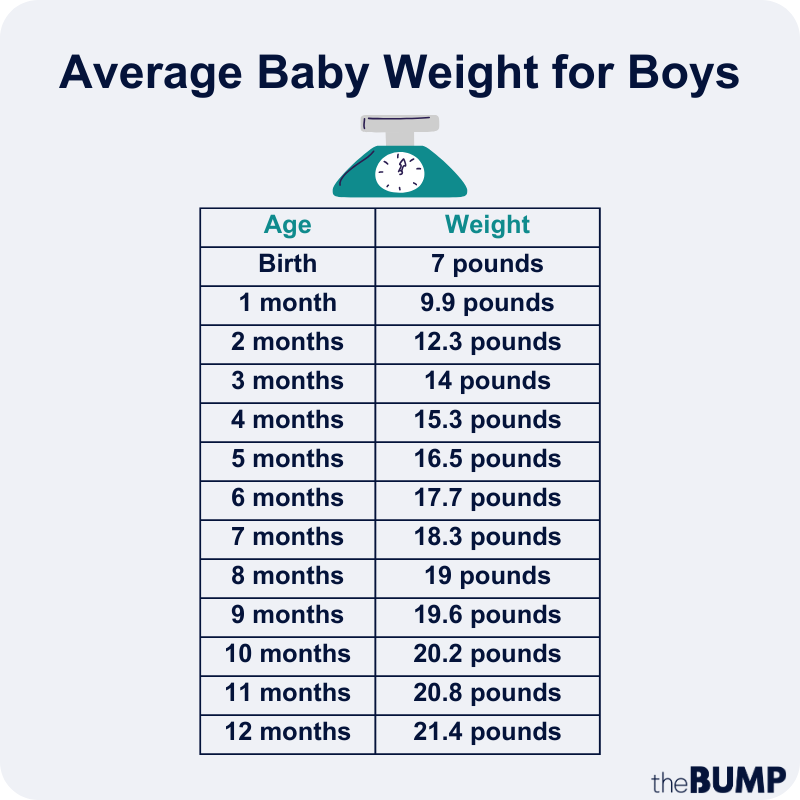
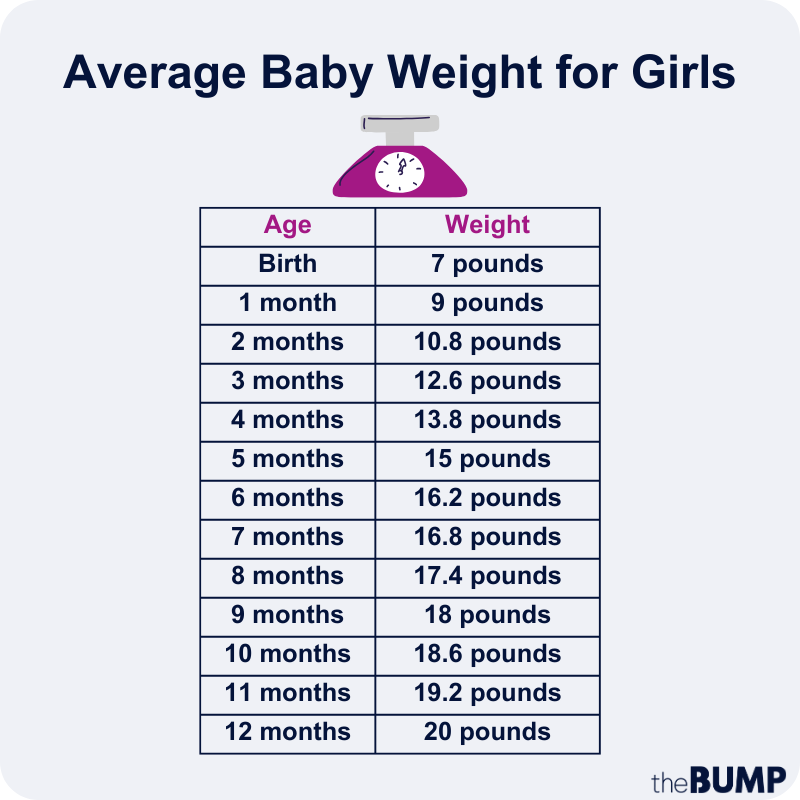
Once newborn weight recovery after birth is complete, many infants gain about 5 to 7 ounces per week during the first few months. This is only a general guide. Growth charts, feeding quality, diaper output, and the baby’s exam matter more than a single target.
After the first two weeks
A baby who has regained birth weight should continue to gain along a personal growth curve. The curve does not need to match another baby’s curve.
Growth may differ based on:
• Gestational age at birth
• Birth size and genetic family pattern
• Breast milk, formula, or combination feeding
• Illness or feeding difficulty
• Prematurity or low birth weight
• Medical conditions that affect digestion or energy use
How much weight loss is normal?
A weight loss of less than 7% is often considered within the expected range for a full-term newborn. Loss between 7% and 10% may still be normal, but it usually deserves closer feeding review. Loss above 10% is not automatically an emergency, but it should lead to prompt medical assessment.
Weight loss can look different depending on the type of birth. Babies born after a cesarean delivery sometimes show more early loss because their initial fluid balance can be different. This does not mean that breastfeeding will fail or that the baby is unhealthy.
Health professionals may use a newborn weight loss tool that compares the baby’s result with other babies of the same age and birth type. This can provide more context than a percentage alone.
Parents should also know that hospital scales and home scales may not match. A baby weighed before a feed may weigh less than the same baby weighed after a feed. Clothing, diapers, and scale accuracy can also change the result.
The goal is not to chase a perfect number. The goal is to confirm that the baby is feeding well, staying hydrated, and moving toward steady growth.

Signs that feeding is going well
Weight is important, but it is only one part of the picture. A baby may be feeding well even before the scale shows a clear increase.
Look for these signs:
• The baby feeds at least 8 to 12 times in 24 hours during the early weeks, unless a clinician gives different advice.
• You can hear or see swallowing during feeds.
• The baby has periods of calm alertness between feeds.
• Wet diapers increase each day during the first several days.
• By about day five, many babies have at least six wet diapers daily.
• Stools become lighter in color and more frequent.
• The baby’s mouth appears moist rather than dry.
• The baby seems satisfied after some feeds.
• Weight loss stops and weight gain begins.
No single sign proves that feeding is going well. For example, a baby may sleep after a feed because of comfort rather than fullness. Likewise, breast fullness or pumping volume does not always show how much milk the baby transfers at the breast.
A weighted feed with a lactation consultant may help in some cases. It compares the baby’s weight before and after feeding. However, the result is an estimate and can change from one feed to another.
How to support newborn weight recovery after birth
Support starts with frequent, effective feeding. Newborns have small stomachs, so they need regular feeds rather than a few large meals.
Breastfeeding tips
Offer the breast when the baby shows early hunger cues. These may include stirring, hand-to-mouth movements, lip smacking, or turning toward the breast. Crying is a late hunger cue and can make latching harder.
Helpful steps include:
• Practice skin-to-skin contact before and during feeds.
• Offer both breasts if the baby remains interested.
• Check that the baby has a deep latch, not just the nipple in the mouth.
• Listen for regular swallowing.
• Wake a very sleepy newborn for feeds as advised by the baby’s clinician.
• Ask for lactation help if feeding hurts or the baby slips off often.
Pain, cracked nipples, clicking sounds, or very long feeds may suggest that milk transfer needs review. Early support can prevent a small problem from becoming a major one.
Formula-feeding tips
Use the formula type and amount recommended by the baby’s health professional. Follow the label carefully, especially the water-to-powder ratio. Too much water can provide too few calories and may be dangerous. Too little water can strain the baby’s body.
Feed responsively. A baby may pause, turn away, or relax before finishing a bottle. Do not force the baby to empty it. Hold the bottle at an angle and give short pauses to reduce fast flow.
Never dilute formula to stretch it. Never add cereal to a bottle unless a clinician specifically recommends it.
Combination feeding
Some families use both breast milk and formula. This can support feeding while parents work on milk supply, latch, or medical needs.
A clear plan helps. Parents may need advice about:
• Which feeds will include formula
• Whether to pump when a breastfeed is replaced
• How to protect milk supply
• How much supplemental milk the baby needs
• When to reassess the plan
Combination feeding is not a failure. The safest plan is one that keeps the baby nourished while supporting the family’s goals and health.

When newborn weight recovery may be delayed
Delayed newborn weight recovery after birth can happen for many reasons. Some are simple to correct, while others need medical care.
Common causes include:
Difficulty transferring milk
A baby may latch but remove little milk. This can happen with a shallow latch, tongue movement problems, breast swelling, or poor positioning.
Sleepiness
Premature babies, babies with jaundice, and babies recovering from a difficult birth may be too sleepy to feed well. They may need help waking and may require a feeding plan.
Low milk intake
Milk supply may be delayed after heavy blood loss, certain hormonal conditions, retained placenta, or some medications. Supply concerns should be assessed rather than guessed.
Tongue-tie or oral movement concerns
A restricted tongue may affect latch and milk transfer in some babies. Not every visible frenulum causes a feeding problem. A trained professional should assess function, not just appearance.
Illness
Infection, heart disease, breathing problems, metabolic disorders, and digestive conditions can affect feeding and weight. These are less common, but they matter when symptoms are present.
Jaundice
Jaundice can make a baby sleepy. A sleepy baby may feed less, and low intake can make jaundice worse. This cycle needs prompt clinical guidance.
Delayed newborn weight recovery after birth does not mean parents have done something wrong. Babies and feeding systems are complex. The earlier the cause is identified, the easier it may be to correct.
When to call a health care provider
Contact your baby’s health care provider promptly if:
• Weight loss is more than 10% of birth weight.
• The baby has not started gaining after the expected low point.
• The baby has not regained birth weight by about two weeks, unless the clinician has given a different plan.
• The baby has fewer wet diapers than expected.
• The baby is difficult to wake for feeds.
• The baby feeds constantly but rarely swallows.
• Vomiting is repeated, forceful, green, or bloody.
• The mouth looks dry, or there are no tears when expected.
• The baby has a fever, breathing trouble, or unusual limpness.
• The skin or eyes look increasingly yellow.
Seek urgent care for a newborn who is hard to wake, has trouble breathing, has blue or gray skin, has a rectal temperature of 100.4°F (38°C) or higher, or shows signs of severe dehydration.
Do not wait for the next routine visit if your instincts say something is wrong. Parents often notice subtle changes before a scale shows a major change.

How newborn weights should be checked
A reliable weight check uses the same type of scale when possible. The baby should be weighed without clothing or with the same light clothing each time. A health professional can interpret the result along with feeding and diaper information.
Home baby scales can create more worry than clarity. Small changes may reflect a full bladder, a recent feed, or scale error. If you use one, place it on a hard, flat surface and follow its instructions. Do not use an adult bathroom scale while holding the baby.
Keep a simple record of:
• Date and time of each weight
• Whether the baby was clothed
• Number of breastfeeds or bottles
• Wet diapers
• Stools
• Questions or feeding concerns
Daily weighing is not necessary for most healthy babies. It may be useful for a short period when guided by a pediatrician or lactation professional.
Growth charts help clinicians compare a baby’s growth with standard patterns. They are not report cards. A baby’s curve may be healthy even when it is below or above the average line.

Common mistakes to avoid
Parents often receive conflicting advice from family, social media, and well-meaning friends. Some common mistakes can make newborn weight recovery after birth harder to assess.
Waiting for crying before feeding
Early feeding cues are easier to respond to. Waiting until a baby cries may lead to a difficult latch and a shorter feed.
Watching the clock instead of the baby
A schedule can be useful, but a newborn’s needs change. A baby may need more frequent feeds during a growth spurt.
Assuming long feeds always mean good intake
A baby can stay at the breast for a long time without transferring much milk. Listen for swallowing and ask for an assessment if feeds are consistently very long.
Changing formula concentration
Formula must be mixed exactly as directed. Homemade formulas and altered recipes can cause serious nutritional problems.
Relying on diaper counts alone
Diapers are helpful clues, but they do not replace a weight check or medical exam. A baby may have wet diapers and still need help with milk intake.
Comparing babies
One newborn may regain birth weight in eight days, while another may take two weeks or longer. Comparing them can cause fear without providing useful information.
A practical lesson from newborn feeding care is that early support usually works better than late panic. A small latch problem can be much easier to solve before the baby becomes exhausted or dehydrated.
Special situations that affect weight gain
Newborn weight recovery after birth may follow a different timeline for babies born early or with medical needs.
Premature babies
Preterm babies may lose weight and regain it on a different schedule. Their care team may use adjusted age, daily weight goals, and fortified milk. Feeding plans should come from the neonatal or pediatric team.
Large or small babies
A baby’s birth size can affect expected growth. Small babies may need closer checks, while large babies may still lose a normal percentage of weight. Percentages must be interpreted in context.
Babies with jaundice
Frequent feeding may help support hydration, but jaundice care must follow medical advice. Some babies need blood tests, light therapy, or a temporary supplement plan.
Babies born after a cesarean delivery
These babies may have somewhat higher early weight loss due to fluid shifts. Feeding assessment remains important, especially if loss approaches 10%.
Babies with health conditions
Heart, lung, metabolic, or digestive conditions may increase calorie needs or make feeding tiring. These babies often need a custom plan with close follow-up.
There is no single schedule that fits every newborn. The safest approach combines the weight trend, physical signs, feeding assessment, and the baby’s medical history.
Frequently asked questions
How long does newborn weight recovery after birth usually take?
Most healthy full-term babies return to birth weight within 10 to 14 days. Some babies, especially breastfed or premature babies, may take longer and need closer follow-up.
Is it normal for a newborn to lose weight after birth?
Yes. A loss of about 5% to 10% is common as babies remove extra fluid and adjust to feeding. Weight loss above 10% should be discussed promptly with a health care provider.
What if my newborn has not regained birth weight by two weeks?
Call the baby’s pediatrician or other qualified clinician for an assessment. The provider may review latch, milk transfer, formula preparation, diaper output, jaundice, and the baby’s overall health.
How many wet diapers should a newborn have?
Wet diapers usually increase during the first several days. By about day five, many healthy babies have at least six wet diapers in 24 hours, but your clinician may give different guidance based on the baby’s situation.
Can breastfeeding babies take longer to regain birth weight?
Yes. Some breastfed babies regain birth weight near the two-week mark or a little later. The key concerns are effective milk transfer, steady diaper output, and a clear upward weight trend.
Should I weigh my newborn every day?
Most families do not need to weigh a healthy newborn every day. Frequent home weighing can increase anxiety and may be misleading, so use it only when a health professional recommends it.
Does formula help a baby gain weight faster?
Formula can provide needed calories when a baby is not getting enough milk, but it should be used with professional guidance when weight gain is a concern. The best feeding plan depends on the baby’s health, intake, and family goals.
Can a baby gain weight but still have a feeding problem?
Yes. A baby may gain slowly, tire during feeds, or have pain and poor latch even when the scale rises. Ongoing feeding discomfort or very long feeds deserve professional review.
Conclusion
Newborn weight recovery after birth usually begins with a small, expected loss and then moves toward steady gain. Most full-term babies regain birth weight within 10 to 14 days, but feeding method, prematurity, jaundice, birth type, and health can change the timeline.
Track the overall pattern rather than one number. Offer frequent feeds, watch diaper output, use safe formula practices, and seek help early when feeding feels difficult. If you are concerned about your baby’s weight or behavior, contact the pediatrician or a qualified feeding professional today, and explore trusted newborn care resources for continued support.