Newborn nap organization helps babies sleep safely by following flexible cues instead of a strict clock-based schedule.
Newborn sleep can feel random, but it is not truly without a pattern. A young baby may nap many times, wake often to feed, and change sleep times from one day to the next. Good newborn nap organization creates a calm rhythm while still respecting normal newborn needs. This guide explains safe sleep, wake windows, nap cues, sample routines, common mistakes, and practical ways to make each day easier.
What Is Newborn Nap Organization?
Newborn nap organization means arranging your baby’s sleep, feeding, and awake time in a safe and flexible way. It does not mean forcing a newborn to follow a strict nap schedule.
Most newborns sleep in short blocks across the full day and night. Their body clocks are still developing, and they often wake because they need milk, comfort, warmth, or a diaper change.
A useful plan focuses on three things:
• Watching your baby’s sleep cues
• Offering sleep before your baby becomes overtired
• Keeping every sleep space safe
Newborn nap organization is more like guiding a small boat than driving a train. You provide direction, but you adjust as your baby changes.
Many newborns sleep about 14 to 17 hours in 24 hours, though some sleep more or less. Sleep needs vary by baby. A healthy pattern matters more than matching an exact number.
How Much Sleep Does a Newborn Need?
Newborn sleep needs can vary from day to day. Some babies take many short naps, while others take fewer but longer naps.
In the first weeks, babies often sleep for 30 minutes to two hours at a time. A nap may end after one sleep cycle, especially if your baby is hungry or has gas.
Many newborns also wake every two to four hours at night. This is normal because their stomachs are small and frequent feeding is expected.
A typical 24-hour sleep pattern may include:
• Four to eight daytime naps
• Around 14 to 17 total hours of sleep
• Awake periods of about 30 to 60 minutes
• Several nighttime feedings
• Short naps that may change without warning
These numbers are general guides, not rules. A baby who sleeps 16 hours one day may sleep 14 hours the next. Growth spurts, feeding changes, illness, and developmental changes can all affect sleep.
If your baby is hard to wake for feeds, feeds poorly, has fewer wet diapers, or seems unusually weak, contact your pediatrician promptly.

Newborn Wake Windows and Sleep Cues
A wake window is the time your baby can usually stay awake between sleep periods. Newborn wake windows are short because young babies become tired quickly.
Many newborns manage about 30 to 60 minutes of awake time. This includes feeding, burping, diaper changes, and cuddling. Some babies need sleep after only 20 minutes, while others stay calm for slightly longer.
Sleep cues are often more useful than the clock. Early cues may include:
• Looking away
• Becoming quiet
• Slower movements
• Less eye contact
• Yawning
• Red eyebrows or eyelids
• Brief fussing
Late cues may include:
• Crying
• Arching the back
• Jerky movements
• Turning red
• Clenched fists
• Trouble calming down
Try to begin the nap routine when you notice early cues. Waiting for strong crying can make sleep harder. An overtired newborn may look full of energy, but that burst often comes from stress rather than true readiness to play.
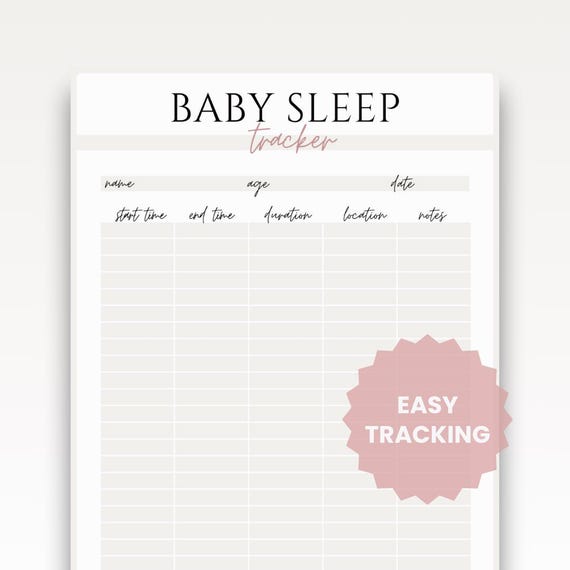
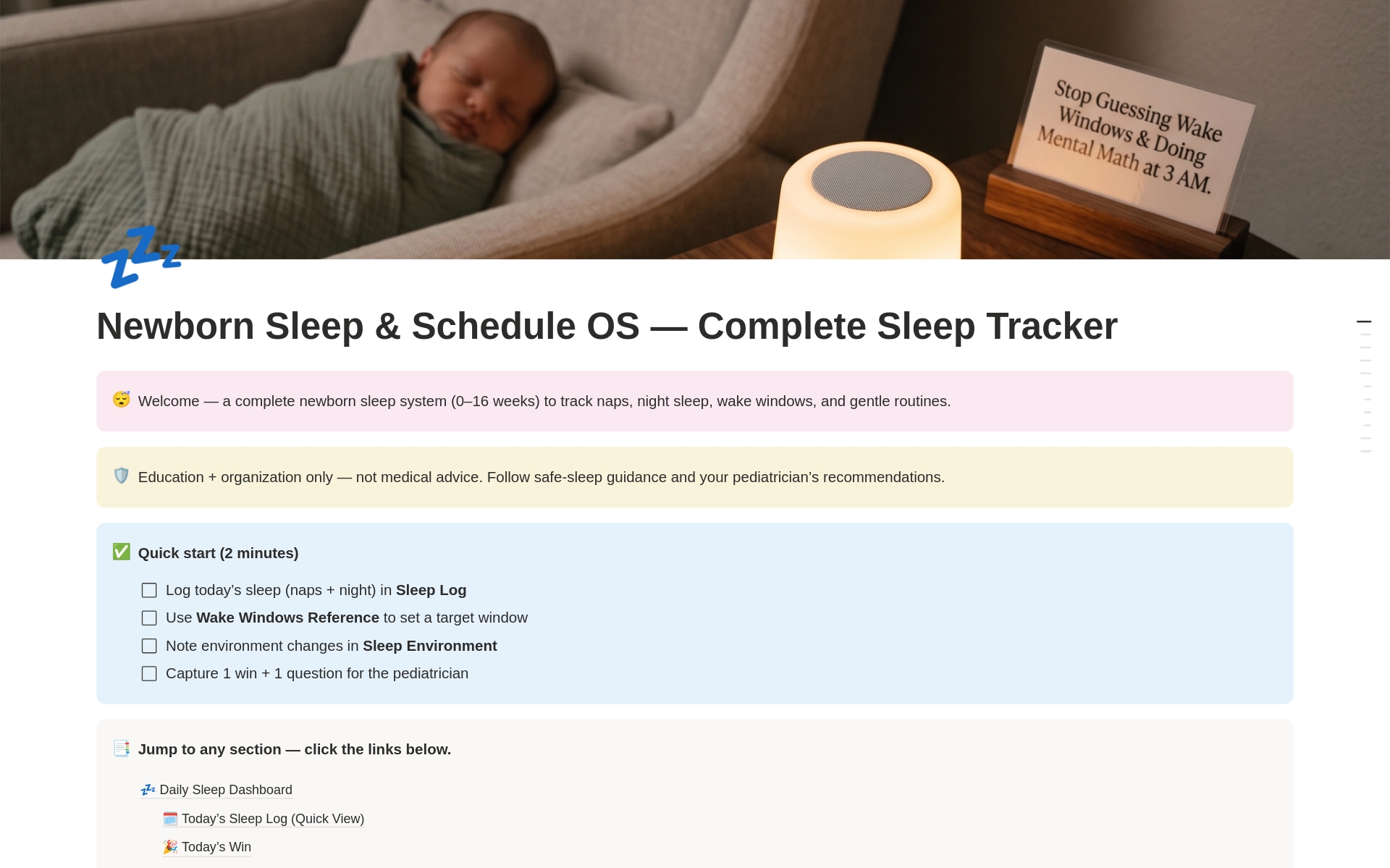
A simple way to track newborn nap organization is to record:
• Wake-up time
• Feeding time
• Nap start and end
• Wet and dirty diapers
• Notable fussiness
You do not need a perfect sleep log. A few notes can help you spot patterns without making the day feel like a science project.
How to Build a Flexible Newborn Nap Routine
A newborn nap routine should be short, calm, and repeatable. It can help your baby understand that sleep is coming.
A simple routine may look like this:
-
Check whether your baby needs a feed or diaper change.
-
Dim the lights or move to a quieter room.
-
Swaddle your baby safely if they are not showing signs of rolling.
-
Hold, rock, or gently soothe your baby.
-
Place your baby on their back in a safe sleep space.
The routine may take five minutes or 20 minutes. Both are normal.
You can also use a basic cycle:
• Feed
• Burp
• Change
• Short interaction
• Watch for sleep cues
• Offer a nap
This pattern is a guide, not a strict order. Some babies need a diaper change before feeding. Others fall asleep while feeding. Newborn nap organization should support your baby, not create pressure for you.
One practical lesson many parents learn is that the first nap of the day may be easier than later naps. If your baby sleeps well in the morning, use that time to rest too. Laundry can wait. Recovery cannot.
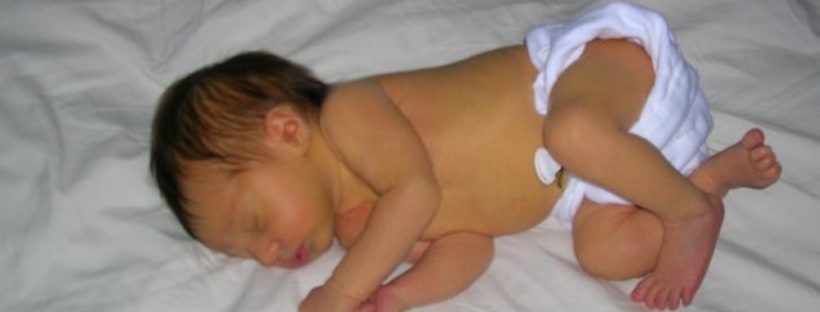
Safe Sleep Rules for Every Newborn Nap
Safe sleep is the most important part of newborn nap organization. The American Academy of Pediatrics recommends placing babies on their backs for every nap and nighttime sleep.
Use these safe sleep practices:
• Place your baby on a firm, flat mattress.
• Use a fitted sheet made for the sleep surface.
• Keep pillows, blankets, toys, bumpers, and loose items out of the sleep area.
• Let your baby sleep in the same room as you, but not in the same bed.
• Avoid sleeping with your baby on a couch, recliner, or adult bed.
• Keep smoke, alcohol, marijuana, and sedating medicines away from the baby’s sleep environment.
• Stop swaddling when your baby shows signs of rolling.
• Keep the baby’s head and face uncovered.
A crib, bassinet, or approved portable play yard is usually safer than a couch or adult bed. A car seat is designed for travel, not routine sleep. If your baby falls asleep in a car seat outside the car, move them to a firm, flat sleep surface when practical.
Do not use weighted sleep sacks or weighted swaddles for newborn sleep. Avoid products that claim to prevent sudden infant death without strong safety evidence.
Room temperature should feel comfortable for an adult. Overheating can increase risk, so dress your baby in light layers and check the chest or back rather than the hands and feet.

Sample Newborn Nap Schedule
A newborn nap schedule should show a rhythm, not a promise. Your baby may sleep earlier, later, longer, or shorter than this example.
Here is a flexible sample day:
• 7:00 a.m.: Wake, feed, and change
• 7:45 a.m.: First nap
• 9:00 a.m.: Feed and brief awake time
• 9:45 a.m.: Second nap
• 11:00 a.m.: Feed, change, and cuddle
• 11:45 a.m.: Third nap
• 1:00 p.m.: Feed and short awake period
• 1:45 p.m.: Fourth nap
• 3:00 p.m.: Feed and calm interaction
• 3:45 p.m.: Short nap
• 5:00 p.m.: Feed and quiet time
• 6:00 p.m.: Evening nap or early bedtime period
• Overnight: Feed and resettle as needed
This example is not a requirement. A newborn may have a cluster-feeding evening, a very short nap, or a longer stretch of sleep after a busy day.
Avoid delaying a nap just to “protect” the next sleep. Newborn sleep does not work well with strict sleep math. A flexible approach usually causes less stress for both baby and parent.

Contact Naps, Bassinet Naps, and Transfers
Contact naps can be soothing for newborns. Your baby may sleep best while being held because your warmth, smell, and movement feel familiar.
Contact naps are not automatically a problem. The key issue is adult safety. If you feel sleepy, place your baby in a safe sleep space. Do not plan to sleep with your baby on a couch or chair.
To transfer a sleeping newborn:
-
Wait until your baby appears relaxed and still.
-
Lower the feet first, then the bottom and head.
-
Keep one hand gently on the chest for a few seconds.
-
Remove your hand slowly.
-
Leave the room quiet and dim.
Some babies wake during every transfer. This does not mean you are doing something wrong. Newborns have a strong startle reflex and may notice the change from a warm body to a still mattress.
You can practice one bassinet nap each day if you want to build comfort with independent sleep. Do not turn every nap into a battle. Newborn nap organization should preserve rest, not create a test that your baby must pass.

Feeding and Newborn Nap Organization
Feeding and sleep are closely connected during the newborn stage. Many babies become sleepy while nursing or taking a bottle. This is common and does not mean you have created a bad habit.
Breastfed newborns often feed eight to 12 times in 24 hours, though individual needs differ. Formula-fed babies also need regular feeds, based on guidance from their healthcare professional.
A baby who wakes often may be hungry, uncomfortable, or simply moving through a light sleep stage. Try to assess the whole picture:
• Is your baby gaining weight as expected?
• Are wet diapers increasing after the first few days?
• Does your baby wake for feeds?
• Does your baby seem satisfied after feeding?
• Has your pediatrician given a feeding plan?
Do not stretch naps or nighttime sleep to follow a schedule if your baby needs to feed. If your healthcare professional has advised scheduled feeds because of weight, jaundice, prematurity, or another concern, follow that plan.
When in doubt, ask your pediatrician or a qualified lactation professional. Sleep advice should never replace feeding advice.

Common Newborn Nap Organization Mistakes
Even well-meaning parents can make newborn sleep harder. The most common problem is expecting too much structure too soon.
Avoid these mistakes:
• Keeping a newborn awake during the day to improve nighttime sleep
• Treating every cry as a sign of hunger without checking other needs
• Waiting until the baby is exhausted before starting a nap
• Comparing your baby with another baby
• Using a strict clock-based schedule
• Allowing naps on couches, recliners, or soft adult beds
• Adding blankets, pillows, or toys to the bassinet
• Using motion devices as a replacement for a safe sleep surface
• Changing the routine every few hours
Newborns do not need sleep training in the early weeks. They need feeding, comfort, and time for their nervous system to mature.
Another common mistake is tracking every minute until the parent feels trapped by the log. Use tracking as a tool, not a judge. If the notes increase your anxiety, simplify them.

What to Do When Newborn Naps Are Short
Short naps are very common. A newborn may sleep for 20 or 30 minutes and wake cheerful, hungry, or upset.
First, check basic needs:
• Hunger
• Burping or gas
• A wet or dirty diaper
• Temperature
• Too much light or noise
• A startle reflex
If your baby wakes after a short nap and seems calm, offer a brief period of quiet awake time. If your baby remains fussy, try soothing and offer sleep again.
You can support longer naps by:
• Using a dark, calm room
• Offering a consistent sound, such as soft white noise placed safely away from the crib
• Keeping the pre-nap routine simple
• Avoiding too much activity before sleep
• Responding to early tired signs
Some short naps are simply part of newborn development. Sleep cycles are still immature, so your baby may not yet connect one cycle to the next.
Newborn Nap Organization for Day and Night
Newborns often confuse day and night because their circadian rhythm is not fully developed. You can gently teach the difference without forcing sleep.
During the day:
• Open curtains and use natural light.
• Keep normal household sounds.
• Offer regular feeds.
• Use brief, calm interaction after waking.
At night:
• Keep lights low.
• Use quiet voices.
• Change diapers only when needed.
• Return your baby to sleep after feeding.
Do not keep your baby awake during the day to make them sleep longer at night. This often creates an overtired baby and can lead to more crying.
Morning light is especially helpful for developing a day and night pattern. Still, it may take several weeks before nighttime sleep becomes more predictable.
When to Call a Pediatrician
Most newborn sleep changes are normal, but some signs need medical advice. Contact your pediatrician if your baby:
• Is difficult to wake for feeds
• Has trouble breathing
• Feeds poorly
• Has fewer wet diapers than expected
• Has a fever of 100.4°F or higher if younger than three months
• Seems unusually limp, weak, or unresponsive
• Vomits repeatedly
• Has poor weight gain
• Sleeps far more or far less than usual with other concerning symptoms
Trust your instincts. Parents often notice subtle changes before anyone else. A short call can provide reassurance or help your baby receive care quickly.
Sleep guidance also depends on your baby’s age, birth history, feeding method, health, and growth. Premature babies and babies with medical needs may require a different plan.
Frequently Asked Questions About Newborn Nap Organization
How many naps should a newborn take each day?
Many newborns take four to eight naps, but there is no fixed number. Nap length and frequency can change daily because newborn sleep is still developing.
How long should a newborn stay awake between naps?
Many newborns stay awake for about 30 to 60 minutes. Watch your baby’s cues, since some need sleep sooner and others can manage a little longer.
Should I wake my newborn from a nap to feed?
Follow your pediatrician’s feeding advice. If your baby has feeding, weight, jaundice, or prematurity concerns, you may need to wake them for feeds.
Is it safe for my newborn to nap in my arms?
A supervised contact nap can be comforting, but the adult must stay awake. If you may fall asleep, place the baby on their back in a firm, flat, empty sleep space.
Can newborns nap in a swing or car seat?
Swings and car seats are not intended for routine sleep. Move a sleeping baby to a firm, flat sleep surface when practical, especially after arriving home.
Should I use a strict newborn nap schedule?
A strict schedule usually does not fit newborn biology. A flexible routine based on feeding needs, sleep cues, and safe sleep practices works better.
When should I start sleep training?
Most newborns are not ready for formal sleep training. In the early months, focus on safe sleep, feeding, soothing, and recognizing tired cues.
Conclusion
Newborn nap organization is about creating a gentle rhythm, not controlling every minute. Watch for early sleep cues, respect short wake windows, support regular feeds, and use safe sleep practices for every nap.
Keep your plan flexible. Some days will feel smooth, while others may seem like a loop of feeding, soothing, and starting again. That is normal newborn life.
Try one simple change today, such as starting naps earlier or preparing a safer sleep space. For more trusted guidance, speak with your pediatrician and share your own newborn nap organization tips in the comments.